The Best Homemade Panang Curry Recipe
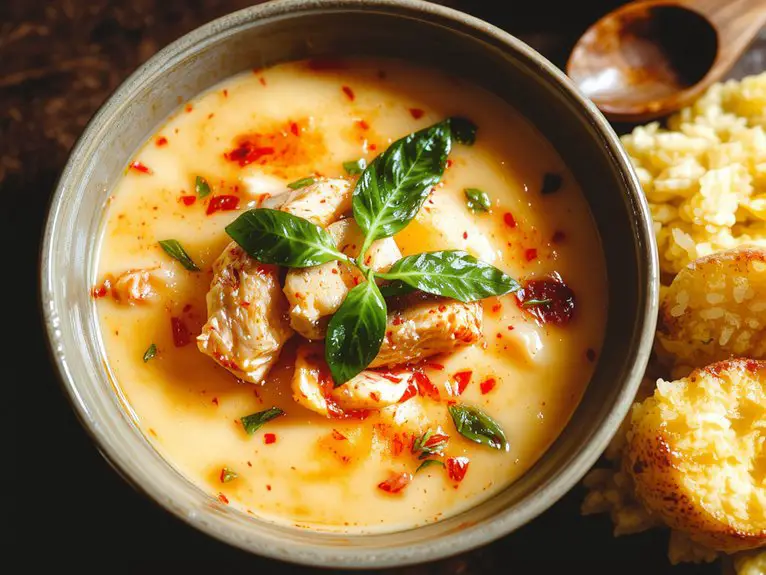
Recipe
If there’s one dish that’s guaranteed to transport your taste buds straight to Thailand, it’s Panang Curry. I’ve made this recipe dozens of times, and let me tell you—it’s a total showstopper. What sets this version apart is the perfect balance of creamy coconut milk, fiery red curry paste, and a hint of sweetness from palm sugar.
The secret? Toasting the curry paste before adding the liquids—it deepens the flavor like nothing else. Picture tender chunks of protein (I love using chicken, but beef or tofu works just as well) swimming in a silky, aromatic sauce that’s rich, spicy, and slightly nutty from a touch of ground peanuts.
Top it off with fragrant Thai basil and a squeeze of lime, and you’ve got a dish that’s as comforting as it’s vibrant. Trust me, once you try this recipe, your weeknight dinner rotation will never be the same. Let’s get cooking!
Ingredients
Panang curry is a rich and creamy Thai dish that relies on a handful of key ingredients to achieve its signature balance of sweet, savory, and spicy flavors. Properly sourcing or substituting these elements can make or break the dish, so let’s break it down.
Coconut Milk: Opt for full-fat coconut milk for maximum creaminess. Light versions can work in a pinch, but the richness won’t be the same.
Pro tip: Shake the can well before opening to guarantee a smooth consistency.
Panang Curry Paste: The star of the show. Store-bought versions are convenient, but if you’re feeling adventurous, homemade paste using fresh lemongrass, galangal, and kaffir lime leaves will elevate the flavor.
Protein: Chicken, beef, or tofu are classic choices. Chicken thighs are ideal for their tenderness, but breast works if sliced thinly.
For a vegetarian twist, firm tofu holds up beautifully.
Fish Sauce: Non-negotiable for that authentic umami depth. If unavailable, soy sauce or tamari can substitute, but the flavor profile will shift slightly.
Palm Sugar: Adds a subtle sweetness. Brown sugar is a fine alternative, though it’s slightly less complex.
Pro tip: Dissolve it in the sauce early for even flavor distribution.
Kaffir Lime Leaves: These are essential for their citrusy aroma. If you can’t find them, lime zest can mimic the flavor, though it won’t be quite the same.
Fresh Basil: Thai basil is preferred, but Italian basil works in a pinch. Add it at the last minute to preserve its freshness and fragrance.
Vegetables: Red bell peppers, green beans, or snap peas add color and crunch. Customize based on what you have on hand.
Garnish: Crushed peanuts and a squeeze of lime juice add a final layer of texture and brightness. Don’t skip these—they tie the dish together beautifully.
Little win: A sprinkle of finely chopped chili adds a vibrant pop of color and heat for those who like it spicy.
How to Make the Best Authentic Panang Curry Recipe
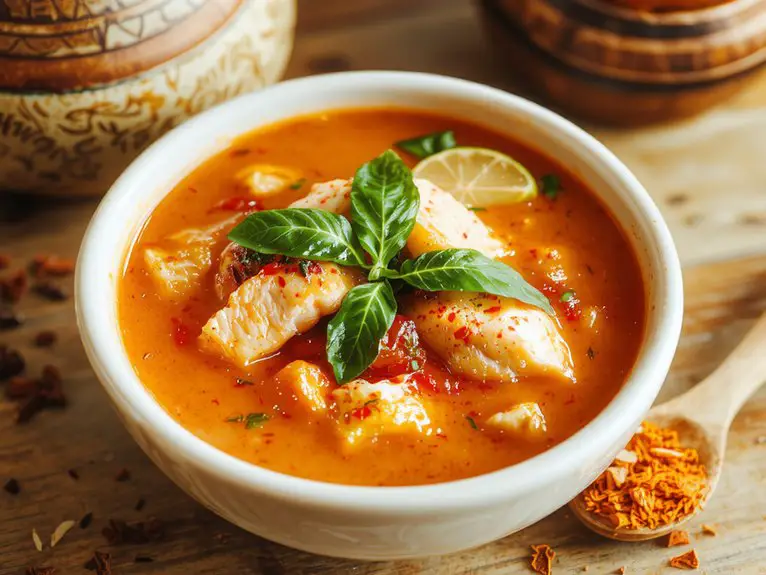
– Sauté the paste: Heat oil in a pot over medium heat and add the Panang curry paste. Stir for 1-2 minutes until fragrant—this releases the flavors and deepens the aroma.
*Pro tip*: Use a wooden spoon to prevent sticking and burning.
– Add coconut milk: Pour in half the coconut milk and stir well to combine with the paste. Simmer for 3-4 minutes until the mixture thickens slightly.
*Watch out*: Don’t rush this step—it builds the curry’s rich base.
– Incorporate protein: Add your choice of protein (chicken, beef, or tofu) and cook until lightly browned.
*Why?* Searing locks in juices and prevents a watery curry.
– Simmer with liquids: Pour in the remaining coconut milk and stock, stirring gently. Bring to a gentle boil, then reduce heat and simmer for 10-12 minutes.
*Visual cue*: The curry should coat the back of a spoon.
– Season and sweeten: Stir in fish sauce, palm sugar, and kaffir lime leaves. Taste and adjust—balance is key!
*Flexibility*: No palm sugar? Brown sugar works in a pinch.
– Finish with peanuts and herbs: Sprinkle crushed peanuts and basil leaves just before serving.
*Pro tip*: Fresh herbs add brightness—don’t skip them!
– Rest before serving: Let the curry sit for 5 minutes off the heat.
*Why?* This allows flavors to meld beautifully.
Nutrition
Panang curry is packed with flavors and nutrients, making it a wholesome meal. Here’s the nutritional breakdown per serving:
| Nutrient | Amount per Serving |
|---|---|
| Calories | 350 kcal |
| Protein | 15 g |
| Carbohydrates | 20 g |
| Fat | 22 g |
| Saturated Fat | 10 g |
| Fiber | 3 g |
| Sugar | 5 g |
| Sodium | 800 mg |
Chef Tips
To get the most out of your Panang curry, I recommend using freshly ground spices for a richer, more vibrant flavor. Toast them lightly before grinding to intensify their aroma.
Simmer the coconut milk slowly to prevent curdling and enhance creaminess. Balance the heat with palm sugar and fish sauce.
Finally, garnish with lime leaves and peanuts for a fresh, crunchy finish that elevates the dish.
Frequently Asked Questions
Can I Freeze Panang Curry?
Yes, I can freeze panang curry. I just make sure it’s cooled completely, then store it in airtight containers or freezer bags. It keeps well for up to 3 months. I thaw and reheat it gently.
Is Panang Curry Spicy?
Panang curry’s spicy, but it’s milder than some Thai curries. I’d say it balances heat with creamy sweetness from coconut milk. If you’re unsure, adjust the chili paste to fit your tolerance.
What’s the Difference Between Panang and Red Curry?
Panang curry’s sweeter and milder than red curry, with peanuts and coconut milk making it creamier. Red curry’s spicier and tangier, using more chilies and lime leaves. I prefer panang when I want something rich and nutty.
Can I Use Store-Bought Curry Paste?
Yes, I can use store-bought curry paste to save time. It’s convenient and still delivers great flavor, though I’ll check the ingredients to guarantee it matches Panang curry’s richness and adjust seasonings if needed.
How Long Does Homemade Panang Curry Last?
I’ll keep homemade panang curry fresh in the fridge for 3-4 days if I store it in an airtight container. If I want to extend its life, I’ll freeze it for up to 2-3 months.


