The Best Homemade Tabbouleh Recipe
Recipe
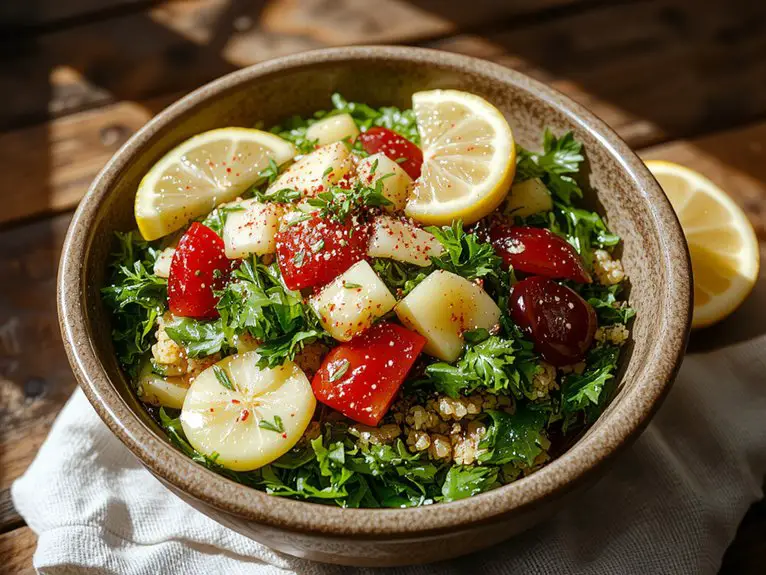
This tabbouleh recipe is the real deal—fresh, vibrant, and bursting with flavor in every bite. It’s one of those dishes I’ve made countless times, and I can confidently say it’s always a hit.
What makes it special? The combination of finely chopped parsley, juicy tomatoes, and a zesty lemon-olive oil dressing creates a harmony of textures and tastes that’s hard to resist.
I learned this version from a Lebanese friend who swore by using bulgur wheat for the perfect chewiness, and honestly, it’s a game-changer. Imagine a bowl of bright, herbaceous goodness with a hint of mint and a tangy kick—it’s like sunshine on a plate.
Whether you’re serving it at a summer gathering or meal-prepping for the week, this tabbouleh is so simple to whip up and always leaves everyone asking for the recipe. Trust me, once you try it, you’ll never go back to store-bought versions again. Let’s get chopping!
Ingredients
Great tabbouleh starts with the right ingredients—fresh, vibrant, and balanced. The key is to let the parsley and bulgur shine while the other elements play supporting roles. Here’s what you’ll need, with a few insider tricks to make it unforgettable:
- Fresh flat-leaf parsley – *Non-negotiable.* Skip the curly kind—it’s too bitter. You’ll need a *lot* (about 2 big bunches), stems removed, finely chopped. This is the star of the dish.
- Fine bulgur wheat – The #1 grain choice for authentic texture. Soak it in hot water (no cooking!) for 15 minutes until tender but chewy. *Pro tip:* Cracked wheat works in a pinch, but avoid quinoa—it changes the vibe.
- Juicy tomatoes – Roma or vine-ripened, seeds scooped out to prevent sogginess. Dice them small so they meld into the salad, not dominate it.
- Crisp cucumber – Persian or English, peeled if the skin’s tough. Tiny dice, just like the tomatoes.
- Green onions (scallions) – For mild oniony bite. *Swap:* Red onion works, but soak slices in cold water first to tame the sharpness.
- Fresh mint – Half as much as parsley. It’s the secret high note—don’t skip it.
- Extra-virgin olive oil – The good stuff. It binds everything and adds richness. *Cheat:* If you’re out, a light drizzle of tahini adds depth.
- Fresh lemon juice – *Non-negotiable.* Bottled tastes flat. Zest a bit of the peel in, too, for extra brightness.
- Salt & pepper – Season aggressively. Tabbouleh needs bold flavor.
- Optional upgrades: Toasted pine nuts, a pinch of allspice, or a handful of pomegranate seeds for a sweet crunch.
How to Make the Best Refreshing Lemon Herb Salad
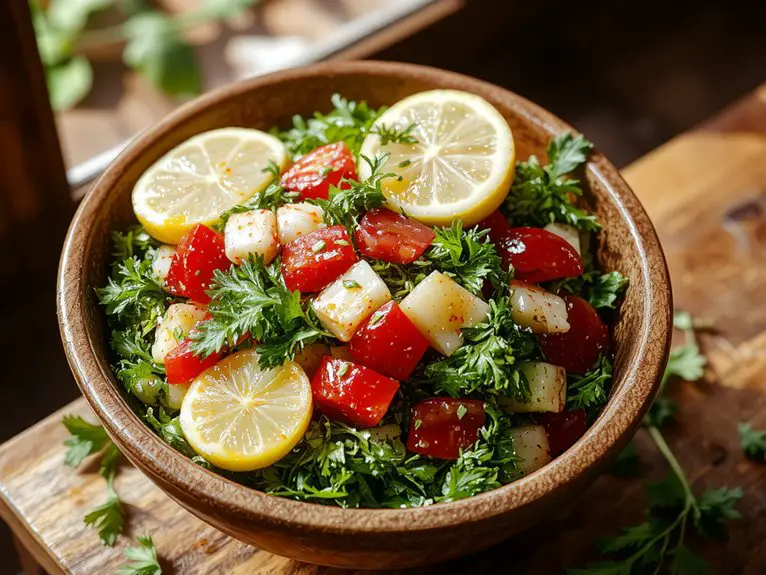
- Chop the parsley and mint finely—aim for uniform pieces to guarantee every bite is balanced. Use a sharp knife to prevent bruising the herbs, which can make them bitter.
- Dice the tomatoes and cucumber small, removing excess seeds and juice to keep the tabbouleh crisp. Toss them in a pinch of salt and let sit for 5 minutes, then drain—this prevents watering down the dish.
- Whisk together lemon juice, olive oil, salt, and pepper in a large bowl. Taste and adjust—the dressing should be bright and tangy. Pro tip: Add a pinch of sumac for extra depth if you have it.
- Gently fold in the bulgur, herbs, and veggies with the dressing. Avoid overmixing to keep the herbs perky. The salad should look vibrant and evenly coated.
- Let it rest for 10 minutes before serving. This allows the flavors to meld but keeps the texture fresh. Serve chilled or at room temperature—perfect with pita or grilled meats.
- Storage tip: Keep leftovers in an airtight container for up to 2 days. If it loses brightness, squeeze a little fresh lemon juice over it before serving.
Nutrition
Tabbouleh is a nutritious dish packed with fresh vegetables and herbs. Here’s the nutritional breakdown per serving.
| Nutrient | Amount per Serving |
|---|---|
| Calories | 120 kcal |
| Carbohydrates | 20 g |
| Protein | 3 g |
| Fat | 4 g |
| Fiber | 5 g |
| Vitamin C | 30% DV |
| Iron | 10% DV |
Chef Tips
While making tabbouleh, I’ve found that using freshly picked herbs and vegetables makes all the difference in achieving that vibrant flavor. Always chop parsley finely for a better texture.
Soak bulgur in lemon juice and olive oil to soften it without overcooking. Drain tomatoes thoroughly to prevent sogginess.
Adjust seasoning gradually—it’s easy to overdo lemon or salt. Serve chilled; it enhances the freshness.
Frequently Asked Questions
Can I Use Quinoa Instead of Bulgur?
Yes, I can use quinoa instead of bulgur in tabbouleh. It’s a great gluten-free option. I’ll just cook it first, let it cool, then mix it with the other ingredients. The texture’s a bit different but still tasty.
Is Tabbouleh Gluten-Free?
Tabbouleh isn’t gluten-free if it’s made with bulgur, but I can make it gluten-free by swapping bulgur for quinoa. Just remember to check that all other ingredients, like spices, are gluten-free too.
How Long Does Tabbouleh Last in the Fridge?
I’ve found tabbouleh lasts about 3 to 4 days in the fridge if it’s stored in an airtight container. It’s best fresh, though, as the herbs can wilt and the flavors mellow over time.
Can I Make Tabbouleh Ahead of Time?
Yes, I can make tabbouleh ahead of time; it’s actually better if I prepare it a few hours early to let the flavors blend. I’ll just keep it refrigerated and add fresh herbs before serving.
What Pairs Well With Tabbouleh?
Tabbouleh pairs perfectly with grilled chicken or lamb, hummus, pita bread, or stuffed grape leaves. I love serving it alongside falafel or roasted veggies for a fresh Mediterranean meal. It also brightens up grilled fish nicely.


