The Best Homemade Salmon in Oven Recipe
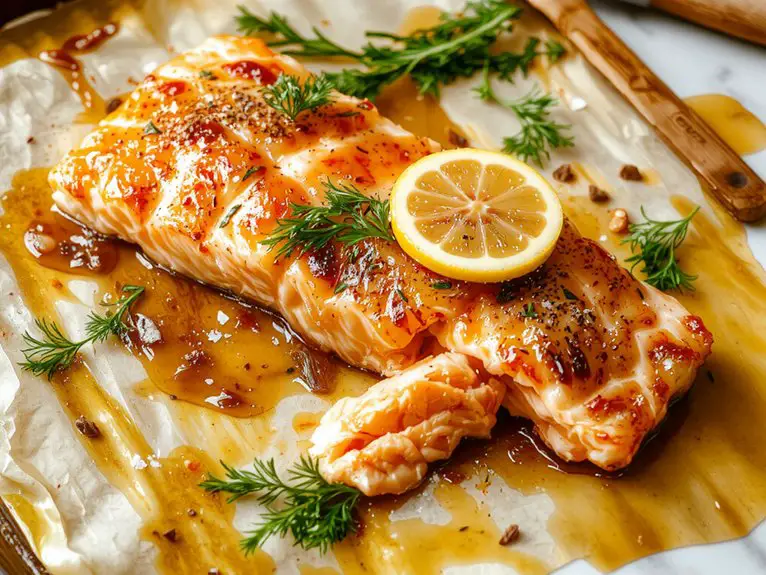
Recipe
There’s something magical about perfectly cooked salmon—flaky, buttery, and packed with flavor.
This recipe? It’s the kind of dish that turns an ordinary weeknight into something special without any fuss.
Picture this: tender salmon with a golden crust, infused with garlic, lemon, and herbs that make every bite sing.
Whether you’re a seafood lover or just looking for a foolproof way to impress, this recipe delivers every time.
Trust me, once you try it, you’ll wonder why you ever ordered takeout.
Let’s get cooking—your taste buds are in for a treat.
Ingredients
When it comes to crafting the perfect salmon dish, quality ingredients are non-negotiable. Fresh salmon is the star, but the supporting cast—herbs, fats, and seasonings—play a pivotal role in elevating the flavors. Don’t skimp on the details; every component matters. Here’s what you’ll need:
- Salmon fillets (skin-on or skinless): Opt for wild-caught salmon for superior flavor and texture. Pro tip: Let the fillets sit at room temperature for 10 minutes before cooking to guarantee even cooking.
- Extra virgin olive oil: Adds richness and helps create a crispy exterior.
- Fresh garlic: Minced finely for a depth of flavor that’s unmatched by powdered versions.
- Lemon zest and juice: A must-have for that bright, tangy kick. Use fresh lemons—bottled juice just won’t cut it.
- Honey or maple syrup: Adds a touch of sweetness to balance the acidity.
- Fresh dill or parsley: Chopped herbs bring freshness and vibrancy to the dish.
- Sea salt and black pepper: Enhances the natural flavors of the salmon. Use freshly cracked pepper for the best results.
Substitutions: No fresh dill? Swap in thyme or basil. Honey can be replaced with agave syrup if needed.
Little Wins: Garnish with lemon slices or extra herbs for a restaurant-worthy presentation.
How to Make the Best Oven-Baked Salmon Recipe
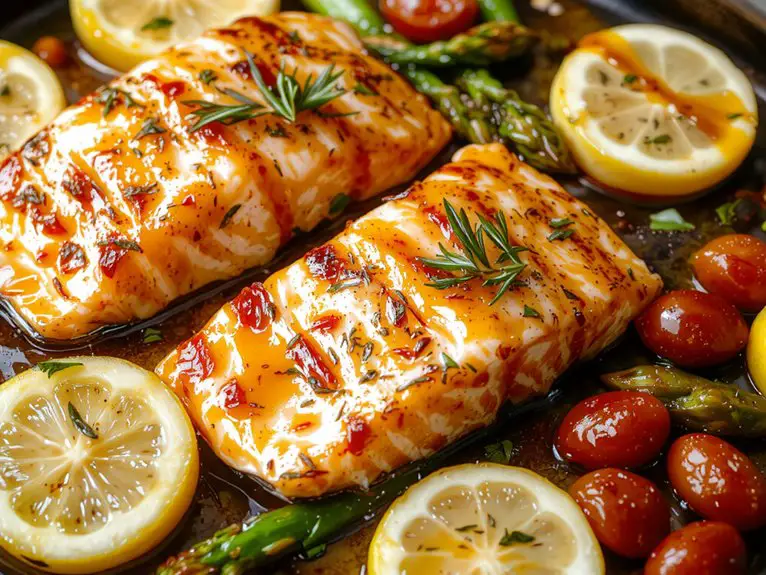
- Preheat your oven to 375°F (190°C) – This guarantees the oven is at the right temperature when the salmon goes in, leading to even cooking and a perfectly tender result.
- Pat the salmon dry with paper towels – Removing excess moisture helps the seasoning stick and promotes a better sear if you’re cooking skin-on.
- Season generously with salt, pepper, and your favorite herbs – A simple mix of dill, lemon zest, or garlic powder works wonders. Don’t be shy—salmon loves flavor!
- Place the salmon on a parchment-lined baking sheet – The parchment paper prevents sticking and makes cleanup a breeze. If you’re using skin-on salmon, place it skin-side down.
- Drizzle with olive oil or melted butter – This adds richness and keeps the fish moist as it bakes.
- Add lemon slices on top – Lemon not only adds flavor but also helps keep the salmon juicy. Plus, it looks beautiful!
- Bake for 12-15 minutes – The salmon is done when it flakes easily with a fork and reaches an internal temperature of 145°F (63°C). Be careful not to overcook—dry salmon is a no-go!
- Let it rest for 5 minutes – This allows the juices to redistribute, ensuring every bite is tender and flavorful.
- Serve immediately with your favorite sides – Pair it with roasted veggies, rice, or a fresh salad for a complete meal.
*Pro Tip:* If you’re using skin-on salmon and enjoy crispy skin, finish it under the broiler for 1-2 minutes after baking—just keep a close eye to avoid burning.
Nutrition
Salmon is a nutrient-rich fish that provides a variety of essential vitamins and minerals. Here are the nutritional facts for this homemade salmon recipe:
| Nutrient | Amount per Serving |
|---|---|
| Calories | 367 kcal |
| Protein | 34 g |
| Fat | 24 g |
| Carbohydrates | 0 g |
| Fiber | 0 g |
| Sugar | 0 g |
| Sodium | 75 mg |
Chef Tips
To guarantee your salmon turns out perfectly, I always recommend patting the fillets dry before seasoning—it helps the flavors stick better.
Don’t overcook it; aim for medium-rare (125°F) for the best texture.
Let it rest 5 minutes after baking to lock in juices.
Use a squeeze of lemon or fresh herbs for brightness.
Skin-side down guarantees even cooking and crispy skin.
Trust me, these small steps make a big difference.
Frequently Asked Questions
Can I Use Frozen Salmon for This Recipe?
Yes, I can use frozen salmon for this recipe. I’ll thaw it first in the fridge overnight or under cold water for quicker results. Cooking frozen salmon directly might affect its texture and evenness.
How Do I Know When the Salmon Is Fully Cooked?
I’ll know it’s fully cooked when the salmon flakes easily with a fork, and the internal temperature reaches 145°F. If it’s opaque and separates into layers, I’m confident it’s done without overcooking it.
Can I Substitute Olive Oil With Another Oil?
Yes, I can substitute olive oil with another oil. I’d use avocado oil for its high smoke point or melted butter for richer flavor. Coconut or vegetable oil works too, depending on the taste I prefer.
What Sides Pair Well With Oven-Baked Salmon?
I’d pair oven-baked salmon with roasted asparagus, garlic mashed potatoes, or a fresh quinoa salad. Steamed broccoli or a tangy citrus slaw also work great. Don’t forget crusty bread for soaking up any extra flavor!
How Long Can I Store Leftover Salmon in the Fridge?
You can store leftover salmon in the fridge for up to 3 days. Make sure it’s cooled quickly and sealed tight—I always use an airtight container. If it smells funky, toss it. Reheat gently to keep it moist.


