Sourdough Sandwich Bread Recipe for Soft Slices
Soft, sliceable sourdough sandwich bread with a tender crumb, gentle tang, and a golden crust—perfect for toast, sandwiches, and everyday baking.
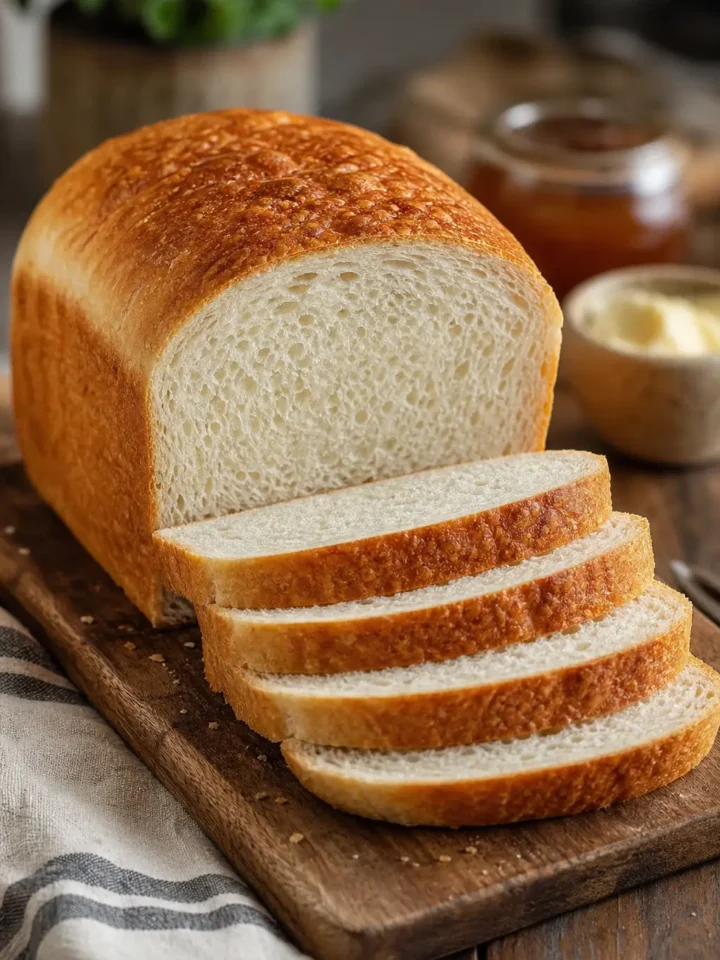
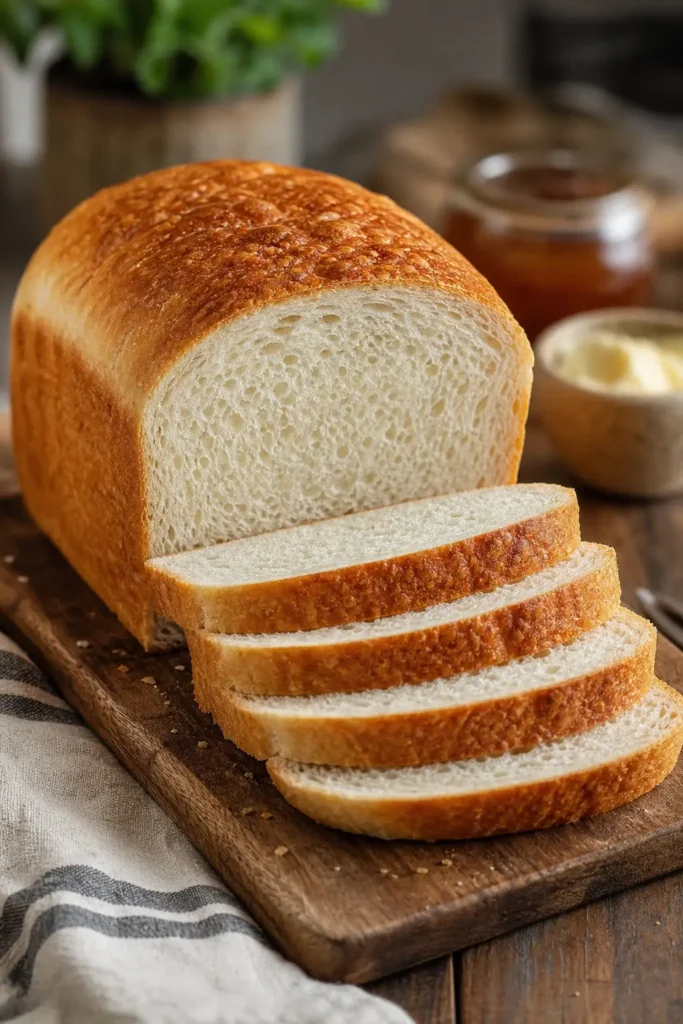
If you love homemade bread with a soft crumb and a gentle sourdough flavor, this loaf is the kind you’ll want to make again and again. It’s sturdy enough for a sandwich, yet tender enough to eat warm with butter if you can wait that long. The crust turns beautifully golden while the inside stays light and sliceable. And if you’ve ever had a sourdough loaf go a little too dense, this recipe gives you a clear path to a better result.
This sourdough sandwich bread has the balanced flavor many home bakers want: not too sharp, not too rich, just pleasantly tangy with a soft, even crumb. The milk, butter, and touch of sugar help create that classic soft bread texture that works so well for toast and sandwiches. The biggest thing to watch is the rise; if your dough seems slow, that usually means your starter or room temperature needs more time. Give it patience, and you’ll get a loaf that slices cleanly and feels right at home on the table.
Below, you’ll find the exact recipe details, plus step-by-step guidance to help you feel confident from mixing to slicing. If you’ve been looking for a dependable homemade bread recipe that fits everyday life, this one is a good place to start. Ready to bake a loaf that can handle peanut butter, turkey, or just a swipe of jam?

Why My Recipe
- Soft, sliceable crumb that works well for sandwiches and toast
- Mild sourdough flavor that feels balanced, not overpowering
- Uses simple pantry ingredients you may already have on hand
- Designed for a standard loaf pan, so it bakes up neatly for everyday use
Norma Ector
Ingredient Notes
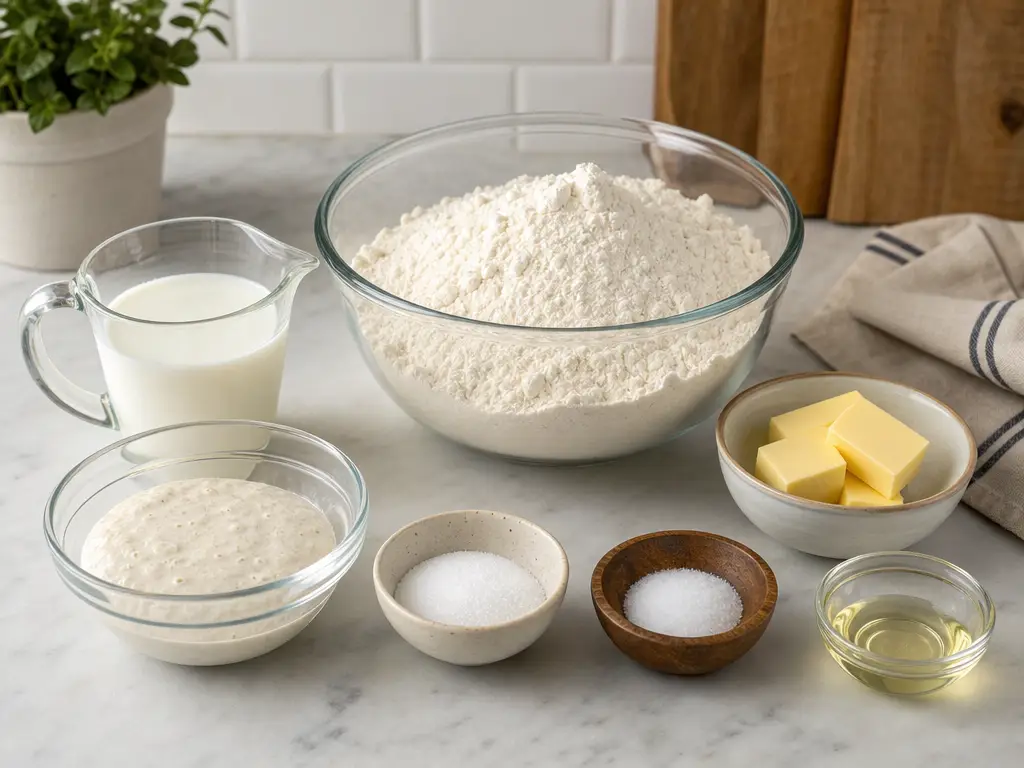
- 1/2 cup (113 g) active sourdough starter, bubbly and recently fed: Use starter that is lively and at its peak so the dough rises well and the loaf stays light.
- 1 1/4 cups (300 g) warm milk, about 100-110°F: Milk gives the loaf a softer crumb and richer flavor than water. Keep it warm, not hot.
- 2 tablespoons (28 g) unsalted butter, softened: Softened butter blends in more easily and helps create a tender texture.
- 2 tablespoons (25 g) granulated sugar: Sugar supports a softer, more balanced loaf and helps the crust brown nicely.
- 2 teaspoons (10 g) salt: Salt strengthens flavor and helps regulate fermentation.
- 3 1/2 to 4 cups (420-480 g) bread flour, plus more for dusting: Bread flour gives the dough structure for a taller, more sliceable loaf.
- 1 tablespoon neutral oil, for greasing the bowl and loaf pan: Use a neutral oil to keep the dough from sticking during rise and shaping.
Instruction Steps
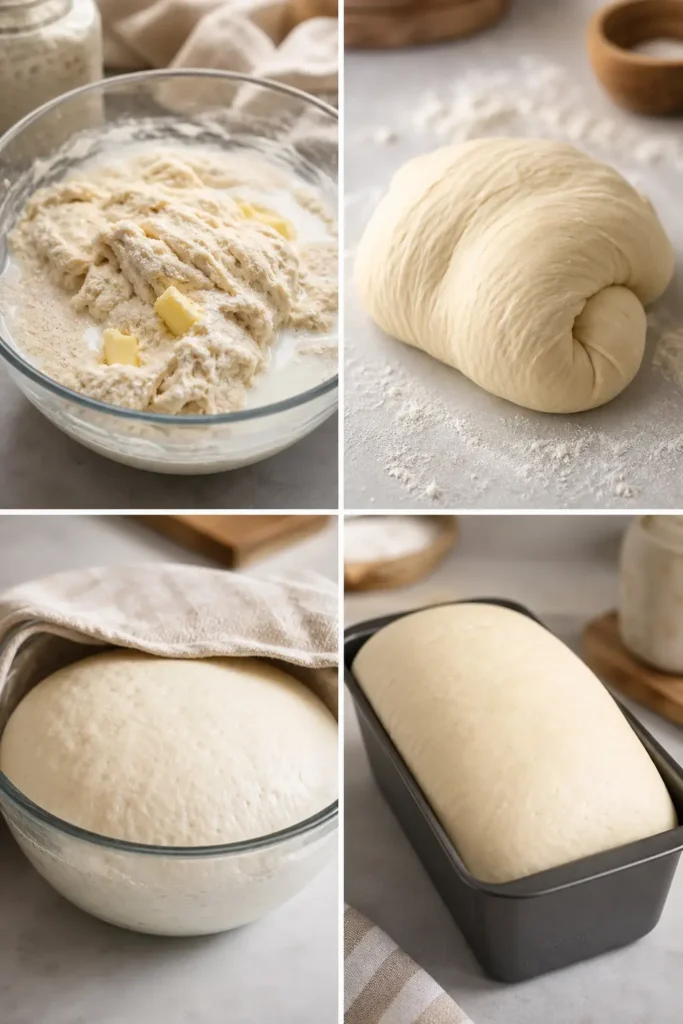
- Start by mixing the starter, warm milk, butter, sugar, and salt in a large bowl. You want everything mostly combined before you add the flour, which helps the dough come together evenly from the beginning.
- Add 3 1/2 cups of the bread flour and stir until the dough looks shaggy. If it feels very sticky, add the remaining flour a little at a time until the dough feels soft, slightly tacky, and ready to knead.
- Turn the dough onto a lightly floured surface and knead until it turns smooth and elastic. This usually takes about 8 to 10 minutes by hand, or 6 to 8 minutes in a stand mixer with a dough hook on medium-low speed.
- Put the dough in a lightly oiled bowl, cover it, and let it rise at room temperature until it doubles in size. Depending on your kitchen and starter strength, that can take about 6 to 8 hours, so let the dough lead the way instead of the clock alone.
- Grease a 9 x 5-inch loaf pan, then turn the dough out onto a lightly floured surface. Gently press it into a rectangle so it’s easier to shape without tearing the dough.
- Roll the dough up tightly from the short end and pinch the seam closed. Set the loaf seam-side down in the prepared pan so it holds its shape as it rises and bakes.
- Cover the pan loosely and let the loaf rise again until it crowns about 1 inch above the rim. This second rise usually takes 2 to 3 hours and helps give you a soft, even sandwich loaf.
- During the last 30 minutes of rising, preheat the oven to 375°F so it’s ready when the loaf is fully proofed.
- Bake for 35 to 40 minutes, until the crust is deep golden brown and the center reaches about 190-195°F. If the top is coloring too quickly, tent it loosely with foil for the last 10 to 15 minutes.
- Take the bread out of the pan and cool it completely on a wire rack for at least 1 hour before slicing. That cooling time helps the crumb set, so you get neater slices instead of a gummy center.
Nutrition
| Calories | 165 |
|---|---|
| Carbohydrates | 30 g |
| Protein | 5 g |
| Fat | 3 g |
| Saturated Fat | 2 g |
| Cholesterol | 10 mg |
| Sodium | 210 mg |
| Fiber | 1 g |
Storage & Reheating Instructions
Store the cooled loaf tightly wrapped at room temperature for up to 3 days.
For longer storage, freeze slices so you can pull out only what you need.
To reheat, toast slices or warm them gently until just heated through.
Sourdough Sandwich Bread Recipe for Soft Slices
Bake a soft sourdough sandwich bread with a tender crumb, light tang, and a golden crust that slices neatly for toast and sandwiches.

Ingredients
Instructions
- In a large mixing bowl, combine the sourdough starter, warm milk, softened butter, sugar, and salt. Stir until the mixture looks mostly combined.
- Add 3 1/2 cups of the bread flour and mix until a shaggy dough forms. If the dough is very sticky, add the remaining flour a little at a time until it is soft, slightly tacky, and kneadable.
- Turn the dough out onto a lightly floured surface and knead for 8 to 10 minutes, or until smooth and elastic. You can also knead in a stand mixer with a dough hook for 6 to 8 minutes on medium-low speed.
- Place the dough in a lightly oiled bowl, cover it, and let it rise at room temperature until doubled in size, about 6 to 8 hours depending on the temperature and strength of your starter.
- Lightly grease a 9 x 5-inch loaf pan. Turn the dough out onto a lightly floured surface and gently press it into a rectangle.
- Shape the dough into a tight loaf by rolling it up from the short end and pinching the seam closed. Place it seam-side down in the prepared loaf pan.
- Cover the pan loosely and let the dough rise until it crowns about 1 inch above the rim of the pan, about 2 to 3 hours.
- During the last 30 minutes of rising, preheat the oven to 375°F.
- Bake the loaf for 35 to 40 minutes, until the top is deep golden brown and the internal temperature reaches about 190-195°F.
- If the top browns too quickly, tent it loosely with foil during the last 10 to 15 minutes of baking.
- Remove the bread from the pan and cool completely on a wire rack before slicing, at least 1 hour. This helps the crumb set and makes cleaner slices.
Notes
- For the softest texture, use milk instead of water.
- Rise times vary widely based on starter strength and room temperature.
- Do not slice the bread while it is still warm, or the texture may seem gummy.
- Store tightly wrapped at room temperature for up to 3 days, or freeze slices for longer storage.
Nutrition
Calories: 165 | Carbohydrates: 30 g | Protein: 5 g | Fat: 3 g | Saturated Fat: 2 g | Cholesterol: 10 mg | Sodium: 210 mg | Fiber: 1 g | Sugar: 3 g
What to Serve With This Recipe


Leave a Review or Ask a Question
Your rating, tips, and questions help other home cooks. Tell us how it turned out or ask anything before you make it.
You May Also Like



Questions & Answers
Recipe FAQs
Why is my sourdough sandwich bread dense?
Dense bread usually means the dough needed more rise time, the starter was not active enough, or too much flour was added. Aim for a soft, slightly tacky dough and let the rises finish fully.
Can I use water instead of milk?
You can, but the loaf will not be quite as soft. For the softest texture, this recipe uses milk.
How do I know when the bread is done baking?
Look for a deep golden brown top and an internal temperature of about 190-195u00b0F. That gives you a properly baked loaf with a set crumb.
Why does the bread need to cool before slicing?
Cooling gives the crumb time to finish setting. If you slice too soon, the inside can seem gummy and the slices may squish.
Can I freeze sourdough sandwich bread?
Yes. Freeze slices for easy use later, then toast or warm them when youu2019re ready to eat.
What should I do if the top browns too fast?
Tent the loaf loosely with foil during the last 10 to 15 minutes of baking so the crust can finish without over-browning.