The Best Homemade Beef Stew Recipe
Recipe
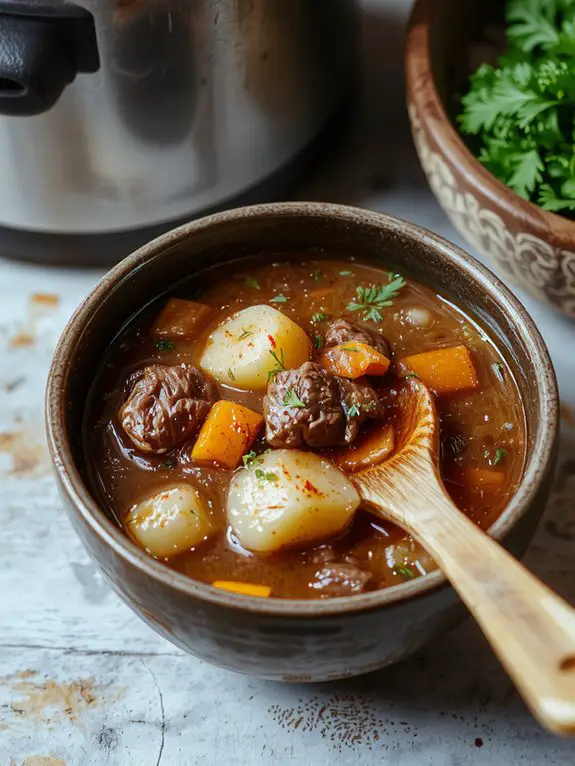
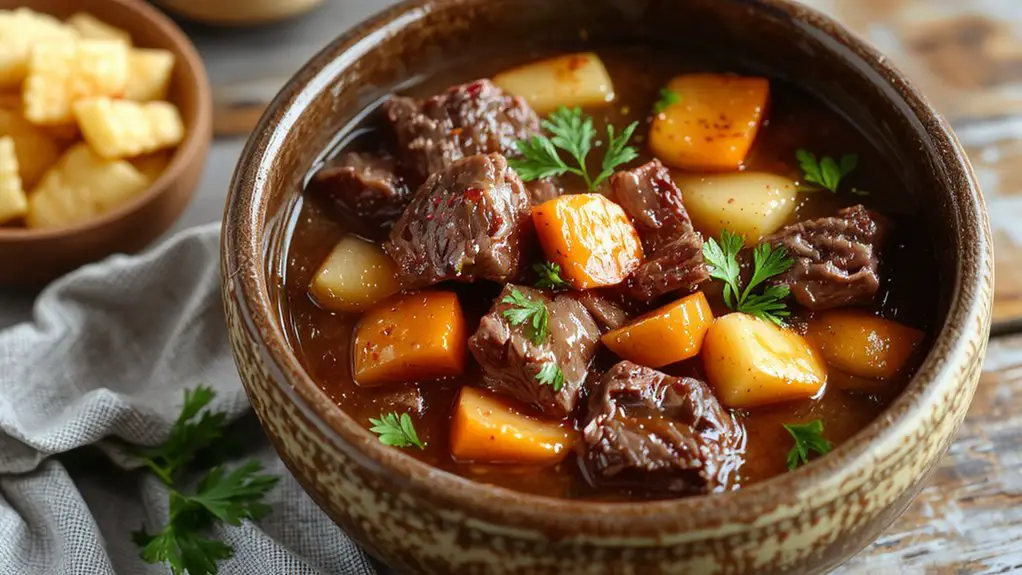
I can confidently say this beef stew recipe is the ultimate comfort food—rich, hearty, and packed with flavor that will have everyone asking for seconds. What sets it apart? A slow-simmered broth infused with tender chunks of beef, caramelized onions, and a medley of root vegetables that melt in your mouth.
The secret? A splash of red wine and a hint of tomato paste, which add depth and complexity to every bite. This stew is my go-to on chilly evenings, and it’s become a family favorite for good reason.
Imagine pulling apart a forkful of fall-apart beef, paired with buttery potatoes and a savory, slightly thickened broth that’s pure magic. Trust me, once you try this, you’ll never go back to store-bought shortcuts. It’s easier than you think to make, and the aroma alone will have your kitchen smelling like a cozy bistro.
Ingredients
To create a rich and hearty beef stew, the right ingredients are key. Opt for cuts of beef that break down beautifully during slow cooking, and pair them with aromatic vegetables and savory liquids for depth of flavor. Here’s what you’ll need:
Beef:
- 2 lbs chuck roast or stew meat (chuck roast is ideal—it’s marbled with fat that melts into tenderness during cooking).
- 1 tbsp olive oil (for browning the meat, which locks in flavor).
Vegetables:
- 3 medium carrots, peeled and sliced (they add sweetness and texture).
- 3 medium potatoes, cubed (Yukon Gold or Russet work best—they hold up well).
- 1 large onion, diced (a flavor base for the stew).
- 3 cloves garlic, minced (non-negotiable for aromatic depth).
- 2 celery stalks, sliced (adds a subtle earthy note).
Liquids & Seasonings:
- 4 cups beef broth (homemade or store-bought, but low-sodium is best for control).
- 1 cup red wine (optional, but it adds complexity; substitute with extra broth if needed).
- 2 tbsp tomato paste (essential for umami richness).
- 1 tsp dried thyme (or 1 tbsp fresh for a brighter flavor).
- 2 bay leaves (they infuse the stew with a subtle herbal note—don’t skip them).
- 1 tsp smoked paprika (adds a hint of smokiness).
- Salt and black pepper to taste (season generously as you go).
Optional Extras:
- 1 cup frozen peas (add at the end for a pop of color and sweetness).
- 1 tbsp Worcestershire sauce (for an extra savory kick).
- Fresh parsley, chopped (for garnish and a fresh finish).
Pro Tip: Brown the meat in batches to avoid overcrowding the pan—this guarantees a deep, caramelized crust.
And if you’re short on time, a slow cooker or Instant Pot can handle the heavy lifting while still delivering a delicious result.
How to Make the Best Classic Beef Stew Recipe
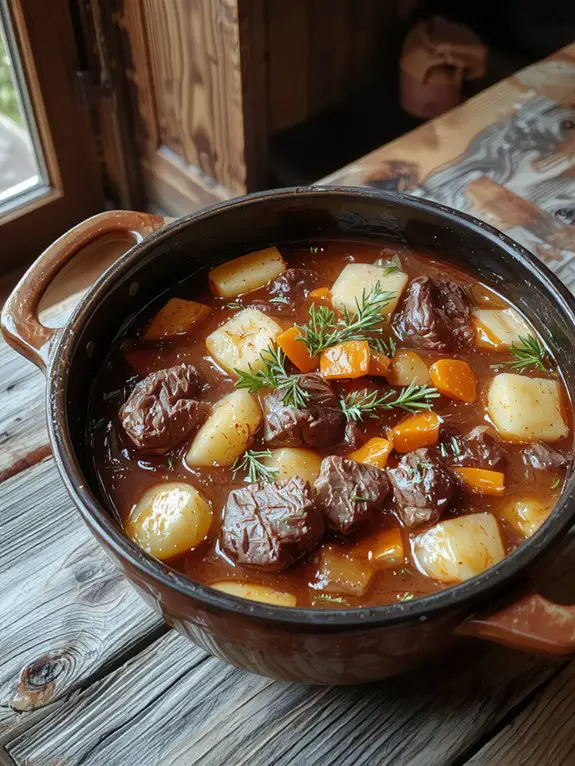
Stir in garlic and tomato paste, cooking until fragrant. Tomapsto paste adds depth and a touch of acidity that balances the richness. Watch closely—garlic burns quickly and turns bitter if overcooked.
Deglaze the pot with red wine or broth, scraping up any stuck-on bits. This step lifts all the flavorful caramelized bits from the bottom of the pot, incorporating them into the stew.
Return the beef to the pot and add beef broth, bay leaves, and thyme. Using quality broth makes a noticeable difference in flavor. Simmer gently—rapid boiling can make the beef tough.
Cover and let simmer for 1.5–2 hours, stirring occasionally. Low and slow cooking breaks down the beef’s connective tissue, resulting in melt-in-your-mouth tenderness.
Add diced potatoes and cook until tender. Adding them later prevents them from becoming mushy. Test with a fork—they should be soft but still hold their shape.
Adjust seasoning with salt and pepper to taste. Taste before serving and adjust as needed. Remember, flavors develop as they sit, so don’t over-salt initially.
Optional: Thicken the stew with a cornstarch slurry. Mix 1 tablespoon cornstarch with 2 tablespoons cold water, then stir into the stew. Simmer for a few minutes until thickened to your desired consistency.
Serve hot, garnished with fresh parsley if desired. Pair with crusty bread or over mashed potatoes for a comforting meal that feels like home.
Nutrition
Beef stew is a hearty dish packed with essential nutrients. Here’s the nutritional breakdown per serving.
Calories: 320
Protein: 25g
Fat: 15g
Carbohydrates: 20g
Fiber: 3g
Sodium: 450mg
Chef Tips
When making beef stew, I always recommend searing the meat first to lock in flavor and create a rich base. Good meat selection is key—choose chuck or brisket for tenderness.
Sharpen your knife skills to cut uniform pieces, ensuring even cooking. Pat the meat dry before searing to avoid steaming, and don’t overcrowd the pan.
These small steps elevate the stew’s depth and consistency.
Frequently Asked Questions
Can I Freeze Leftover Beef Stew?
Yes, you can freeze leftover beef stew! I always let it cool first, then store it in airtight containers. For freezing tips, leave some space for expansion. When thawing methods, I prefer overnight in the fridge.
How Long Does Beef Stew Last in the Fridge?
I’ve found beef stew lasts 3-4 days in the fridge if stored properly. For the best fridge shelf life, I always use airtight containers and follow storage tips like cooling it quickly before refrigerating.
What Are the Best Sides to Serve With Beef Stew?
I’d pair beef stew with warm bread rolls for dipping and crisp green beans for freshness. A crusty baguette or roasted garlic bread rolls work, while steamed or sautéed green beans add balance to the meal.
Can I Use a Slow Cooker for This Recipe?
You can use a slow cooker for this recipe. Slow cooking enhances flavors and tenderizes the beef, and it’s perfect for time management since you can set it and let it work while you handle other tasks.
Is Beef Stew Gluten-Free?
Beef stew can be gluten-free if you use gluten-free ingredients like flour or cornstarch for thickening. I’d recommend checking your dietary restrictions guide to confirm all components, like broth or seasonings, align with gluten-free needs.


