The Best Homemade Chicken Alfredo Recipe
Recipe
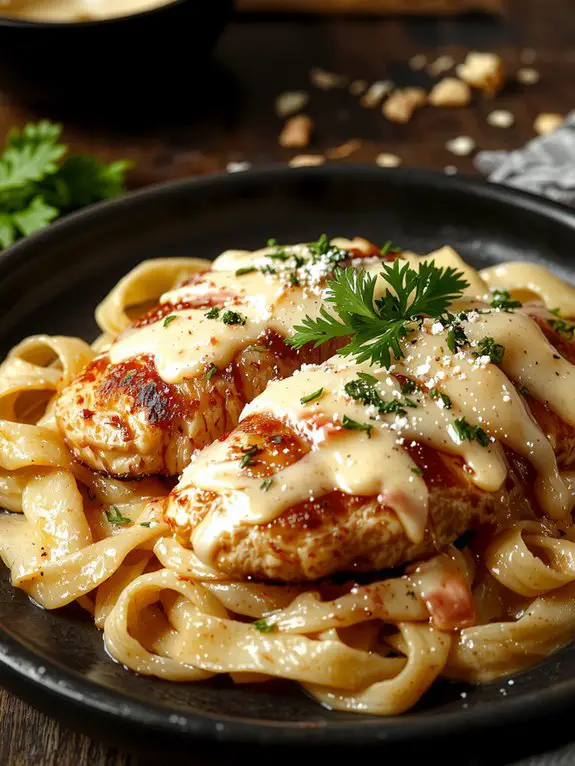
There’s something magical about a perfectly creamy Chicken Alfredo—it’s the kind of dish that turns an ordinary weeknight into something special. I’ve made this recipe more times than I can count, and I can confidently say it beats any restaurant version hands down.
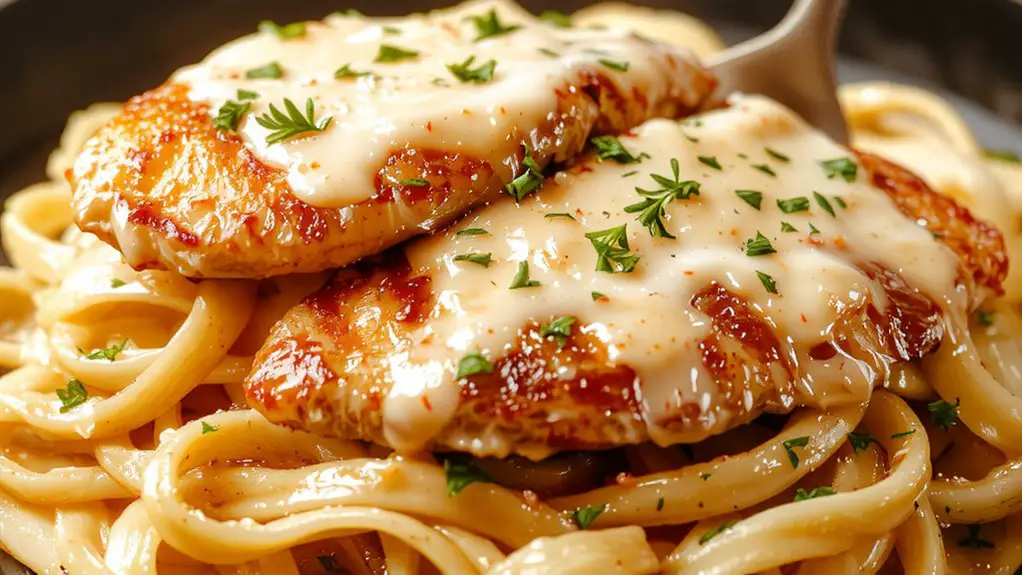
The secret? A rich, velvety sauce made with real Parmesan (none of that pre-shredded stuff) and just the right amount of garlic to give it that irresistible depth. Picture tender chicken nestled in a silky, cheesy sauce that clings to every strand of fettuccine—each bite is pure comfort.
And the best part? It’s surprisingly simple to whip up, even on busy evenings. Whether you’re cooking for a crowd or just treating yourself, this Chicken Alfredo is guaranteed to impress.
Trust me, once you try it, you’ll never go back to the jarred stuff.
Ingredients
Crafting the perfect homemade Chicken Alfredo starts with high-quality ingredients that elevate the dish from simple to spectacular. Avoid shortcuts with pre-made sauces—this recipe relies on fresh, simple components that meld into a creamy, indulgent masterpiece. Here’s what you’ll need:
- Chicken breasts or thighs: Boneless, skinless thighs are juicier and more flavorful, but breasts work if you prefer leaner meat. Season generously with salt and pepper before cooking.
- Fettuccine pasta: The classic choice for Alfredo, but linguine or tagliatelle are excellent alternatives if fettuccine isn’t on hand.
- Heavy cream: Non-negotiable for that velvety sauce. Substituting with half-and-half or milk will leave the sauce thinner and less luxurious.
- Unsalted butter: Adds richness and depth. Opt for high-quality butter for the best flavor.
- Fresh garlic: A must-have for its aromatic punch. Pre-minced garlic won’t deliver the same intensity.
- Parmigiano-Reggiano cheese: The star of the sauce. Don’t skimp here—pre-grated parmesan lacks the freshness and meltability of freshly grated. Romano cheese can be used as a substitute for a sharper flavor.
- Kosher salt and black pepper: Essential for seasoning. Freshly ground pepper adds a subtle warmth.
- Fresh parsley: For garnish and a pop of color. While optional, it brightens up the dish beautifully.
- Olive oil: Use high-quality extra virgin olive oil for sautéing the chicken to add a subtle fruity note.
Pro tip: For an extra layer of flavor, consider adding a splash of white wine while reducing the sauce or a pinch of nutmeg to enhance the creaminess.
These small additions can take your Alfredo from great to unforgettable.
How to Make the Best Creamy Alfredo Chicken Pasta
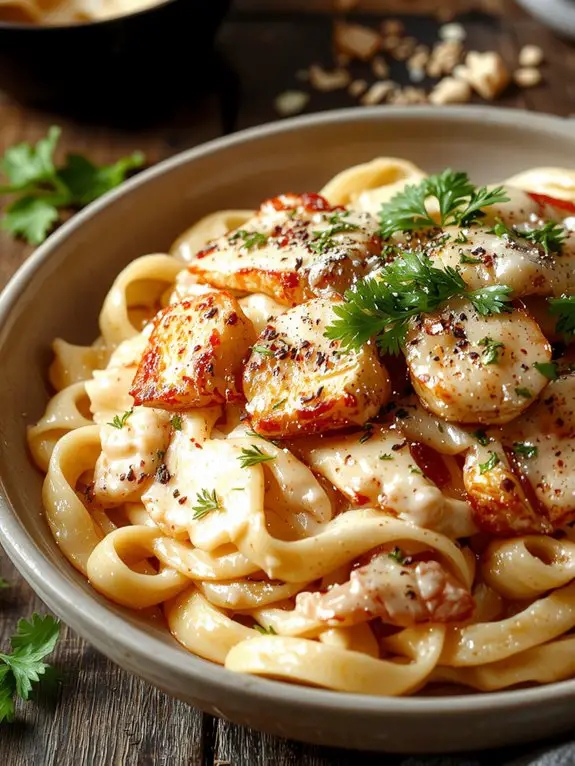
Cook the chicken first: Season chicken breasts with salt, pepper, and garlic powder. Heat olive oil in a skillet over medium heat and cook the chicken until golden brown and cooked through (about 6-7 minutes per side). Remove and slice into strips.
Cook the pasta: Bring a large pot of salted water to a boil and add fettuccine. Cook until al dente, about 8-10 minutes. Reserve 1 cup of pasta water before draining—this helps create a silky sauce later.
Make the Alfredo sauce: In the same skillet, melt butter over medium heat. Add minced garlic and cook until fragrant (about 30 seconds).
Pour in heavy cream and let it simmer gently—not boil—to thicken slightly.
Combine everything: Stir in grated Parmesan cheese until melted and smooth. Add the cooked pasta and chicken strips, tossing to coat. If the sauce is too thick, add reserved pasta water a tablespoon at a time until creamy.
Finish with fresh parsley: Sprinkle chopped parsley over the dish for a pop of color and freshness. Serve immediately for the best texture.
Pro Tip: For extra flavor, toast minced garlic in butter before adding cream—it deepens the sauce’s richness without overpowering it.
Watch Out: Avoid boiling the cream when making the sauce—it can cause separation. Keep the heat low and steady.
Flexibility: Swap fettuccine for penne or spaghetti if you prefer. For a lighter version, use half-and-half instead of heavy cream.
Nutrition
Chicken Alfredo is a rich and creamy pasta dish that provides a good balance of macronutrients. Here’s the nutritional breakdown per serving:
| Nutrient | Amount per Serving |
|---|---|
| Calories | 850 kcal |
| Protein | 35 g |
| Carbohydrates | 65 g |
| Fat | 45 g |
| Saturated Fat | 22 g |
| Cholesterol | 150 mg |
| Sodium | 950 mg |
| Fiber | 3 g |
| Sugar | 5 g |
Chef Tips
To guarantee your Chicken Alfredo turns out perfectly, I always recommend cooking the pasta just until it’s al dente—it’ll continue to soften in the sauce later.
Sharp knife skills confirm evenly sliced chicken for even cooking.
For plating techniques, twirl the pasta neatly with tongs, drizzle extra sauce, and garnish with fresh parsley or grated Parmesan.
Presentation elevates the dish, making it irresistible.
Frequently Asked Questions
Can I Use Gluten-Free Pasta for This Recipe?
Yes, you can use gluten-free pasta for this recipe—I’ve tried brands like Barilla or Banza, and they work great. If you want pasta alternatives, zucchini noodles or chickpea pasta also hold up well with the sauce.
Is It Possible to Make This Recipe Dairy-Free?
Yes, you can make it dairy-free! I’d swap heavy cream for coconut milk or cashew cream and use nutritional yeast instead of parmesan. There are plenty of dairy alternatives and lactose-free options that’ll still taste creamy.
How Long Does Leftover Chicken Alfredo Last in the Fridge?
I’d store leftover chicken alfredo in the fridge for 3-4 days max for food safety. Keep it airtight to avoid spoilage, and reheat thoroughly. Follow these storage tips to enjoy it without risking your health.
Can I Freeze Chicken Alfredo for Later Use?
I can freeze chicken alfredo for later use. Follow freezing tips like storing it in airtight containers and leaving room for expansion. Check storage guidelines—it’ll last up to 3 months but might get a bit grainy.
What Side Dishes Pair Well With Chicken Alfredo?
I love pairing chicken alfredo with garlic bread—it’s perfect for soaking up the creamy sauce. A fresh side salad with a light vinaigrette balances the richness. Sometimes I’ll add roasted veggies for extra crunch.


