The Best Homemade Baked Salmon Recipe
Recipe
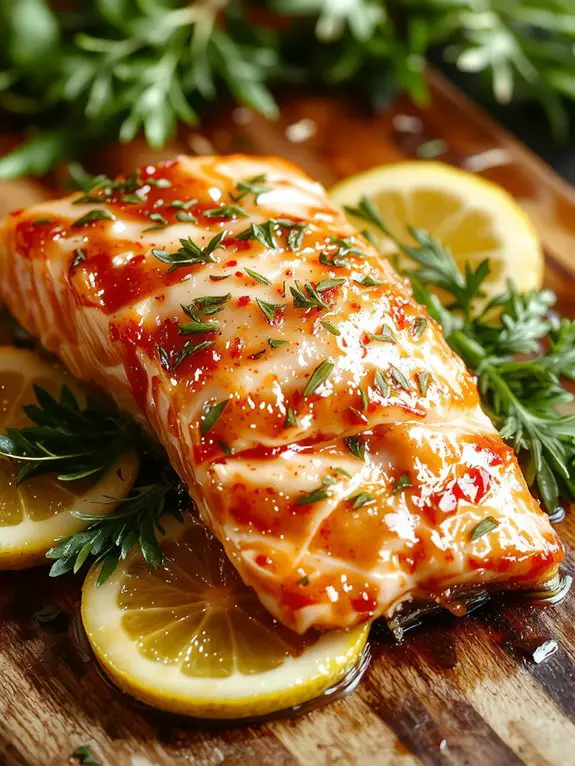
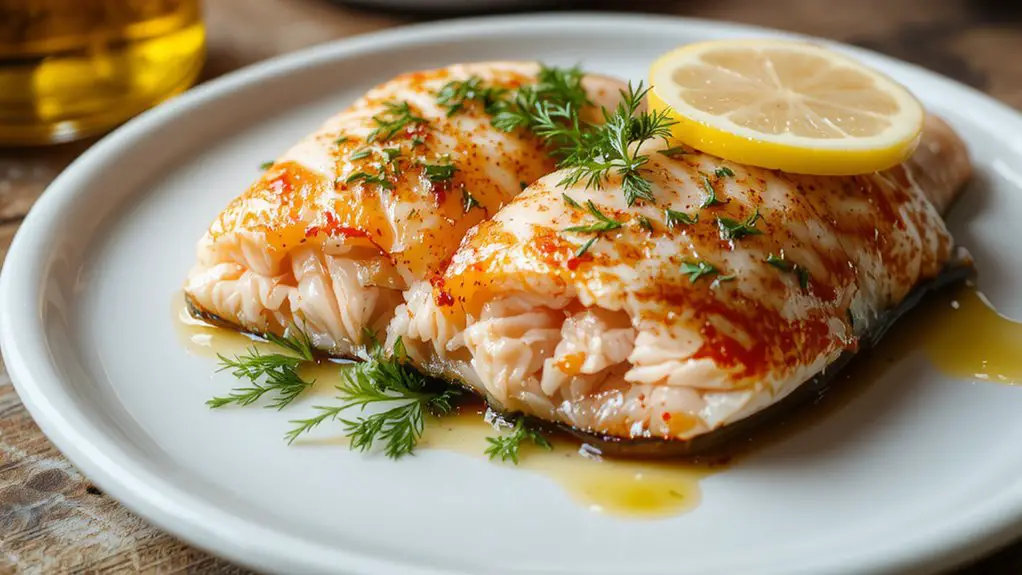
I can confidently say this is the best baked salmon recipe you’ll ever make—flaky, moist, and bursting with flavor every single time. The secret? A simple yet irresistible combination of fresh lemon, garlic, and herbs that marry perfectly with the richness of the salmon.
It’s a dish that feels gourmet but is surprisingly easy to pull off, even on a busy weeknight. Trust me, I’ve made this countless times for family dinners and gatherings, and it never fails to impress.
Picture tender, buttery salmon with a golden crust, infused with zesty citrus and aromatic herbs—each bite is pure perfection. Whether you’re a seasoned cook or just starting out, this recipe is foolproof and will have everyone asking for seconds. Let’s get baking!
Ingredients
For the best results, start with high-quality, fresh ingredients. Salmon is the star here, so opt for wild-caught if available—it has a richer flavor and better texture. Don’t skimp on seasonings; they’re what transform this dish from simple to spectacular. Here’s what you’ll need:
- Salmon fillets (about 6 oz each): Skin-on or skinless, depending on your preference. Skin adds flavor and helps keep the fish moist.
- Olive oil: A good drizzle guarantees the salmon doesn’t stick and gives it a lovely golden crust.
- Lemon (zest and juice): Fresh lemon is non-negotiable—it brightens the whole dish.
- Garlic (minced): Adds depth and a savory kick.
- Dijon mustard: A little goes a long way—it’s a flavor enhancer and helps the seasoning stick.
- Honey: Balances the acidity with a touch of sweetness.
- Paprika (smoked or sweet): Smoked paprika adds a subtle smokiness, while sweet paprika is milder.
- Salt and freshly ground black pepper: Essential for seasoning—don’t skip the fresh grind.
- Fresh herbs (like dill, parsley, or thyme): Optional but highly recommended for garnish.
Pro Tip: If you’re out of Dijon mustard, whole-grain mustard works too, though the flavor will be slightly different.
Pro Tip: If you don’t have fresh herbs, a sprinkle of dried herbs will do in a pinch—just use less since they’re more concentrated.
How to Make the Best Garlic Herb Salmon Recipe
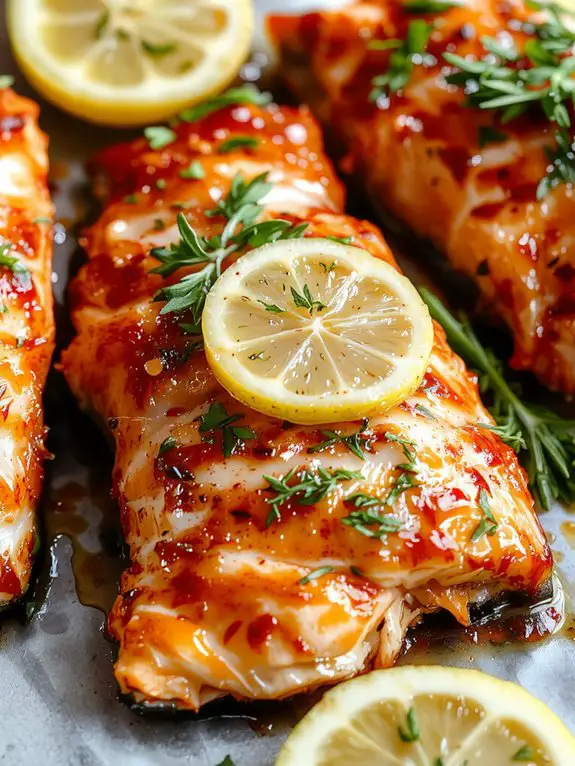
Mix the garlic, parsley, dill, and optional lemon zest in a small bowl. This herb blend infuses the salmon with fresh, aromatic flavors. If you’re short on herbs, dried versions work in a pinch.
Press the herb mixture onto the salmon fillets. Gently pat it down to make certain it sticks. This step guarantees every bite is packed with flavor.
Place the salmon on the prepared baking sheet. Arrange the fillets skin-side down if they’ve skin. This helps them cook evenly and keeps the flesh tender.
Bake for 12-15 minutes, depending on thickness. Check for doneness by seeing if the salmon flakes easily with a fork. Overcooking can dry it out, so keep a close eye.
Optional: Broil for 1-2 minutes for a golden crust. This step adds a crispy finish, but watch carefully to avoid burning. It’s a quick way to elevate the dish!
Let the salmon rest for 5 minutes before serving. Resting allows the juices to redistribute, securing a moist and flavorful result.
Serve with lemon wedges for an extra zing.
Nutrition
Baked salmon is not only delicious but also packed with essential nutrients. Here’s the nutritional breakdown per serving.
| Nutrient | Amount |
|---|---|
| Calories | 367 |
| Total Fat | 22g |
| Saturated Fat | 4g |
| Cholesterol | 94mg |
| Sodium | 74mg |
| Total Carbs | 0g |
| Dietary Fiber | 0g |
| Sugars | 0g |
| Protein | 40g |
| Vitamin D | 14.2mcg |
| Calcium | 20mg |
| Iron | 0.7mg |
| Potassium | 534mg |
Chef Tips
Now that we’ve covered the nutritional benefits, I’ll share some of my go-to tips for perfecting baked salmon. First, sharpen your knife skills—clean cuts prevent flaking.
For plating techniques, layer salmon over a vibrant bed of greens or grains to highlight its color. Always pat the fish dry before baking for crispy skin. A squeeze of lemon right before serving brightens every bite.
Frequently Asked Questions
Can I Use Frozen Salmon for This Recipe?
Yes, I can use frozen salmon for this recipe. I’d guarantee proper salmon defrosting for even cooking by thawing it overnight in the fridge. If the frozen quality’s good, it’ll still turn out delicious and flaky.
How Do I Know When the Salmon Is Fully Cooked?
I’ll check if my salmon’s fully cooked by looking for a firm texture that flakes easily with a fork. I’ll also keep an eye on the cooking time, usually 12-15 minutes at 375°F. Undercooked salmon feels rubbery, so I’ll avoid that.
What Sides Pair Well With Baked Salmon?
I love serving baked salmon with steamed vegetables like asparagus or broccoli—they’re light and fresh. Roasted potatoes are another favorite; their crispy texture balances the salmon’s richness. A simple salad or quinoa works great too!
Can I Prepare the Salmon Ahead of Time?
I can prep salmon ahead with meal prep tips to save time—season it, wrap tightly, and refrigerate for up to 24 hours before baking. Just don’t let it sit too long or it’ll dry out.
How Should I Store Leftover Baked Salmon?
Store leftover baked salmon in an airtight container or wrap it tightly in plastic wrap or foil. For best results, follow refrigeration tips by keeping it in the fridge at 40°F or below for up to two days.


