The Best Homemade Chicken Soup Recipe
Recipe
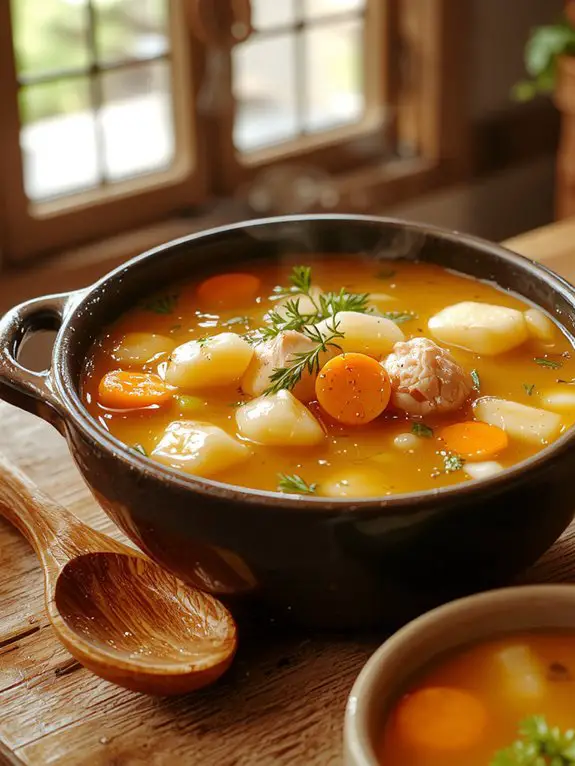
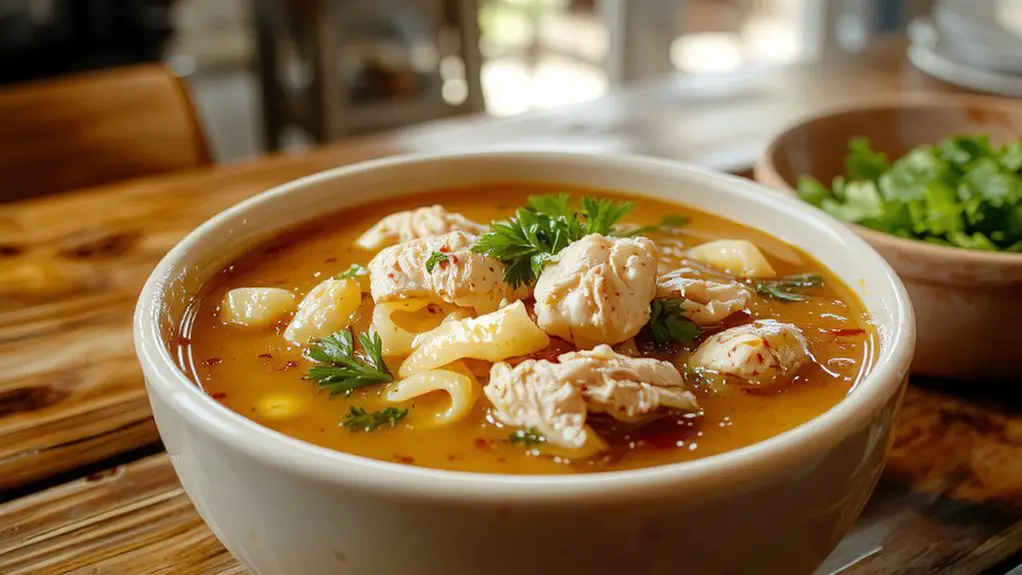
There’s nothing quite like the soul-soothing magic of homemade chicken soup—this isn’t your average broth-in-a-can situation. Packed with tender chunks of chicken, hearty vegetables, and a deeply flavorful broth that’s simmered to perfection, this recipe is the ultimate comfort food fix.
The secret? A splash of apple cider vinegar to brighten the flavors and a slow simmer that coaxes every bit of goodness from the bones. Whether you’re fighting off a cold or just craving something cozy, this soup is guaranteed to hit the spot.
Trust me, once you taste the rich, savory broth and the melt-in-your-mouth veggies, you’ll never go back to store-bought. Plus, it’s easier to make than you think, and your kitchen will smell like heaven. Let’s get cooking!
Ingredients
For a truly flavorful and comforting bowl of chicken soup, quality ingredients are key. Opt for fresh, whole ingredients whenever possible—it makes all the difference. Here’s your go-to list, complete with insider tips and smart swaps to make this recipe your own.
- Whole Chicken or Chicken Parts: A whole chicken (preferably organic) adds depth and richness, but you can use bone-in thighs or drumsticks for a quicker option. The bones are essential for a rich, collagen-packed broth.
- Carrots, Celery, and Onions (Mirepoix): This classic trio forms the soup’s aromatic base. Chop them into large chunks so they hold up during simmering.
- Garlic: Adds a punch of flavor—don’t skimp! Use at least 3-4 cloves for a robust taste.
- Fresh Parsley (with stems): The stems add subtle flavor to the broth, while the leaves make a vibrant garnish.
- Bay Leaves: A must-have for their earthy, herbal notes—don’t forget them!
- Whole Peppercorns: They infuse the broth with a gentle heat. Crack them slightly before adding for more flavor.
- Salt: Adjust to taste, but start with a teaspoon and add more as needed.
- Chicken Stock or Water: Stock enhances flavor, but water works too—just make sure to season well.
- Optional Add-Ins: Noodles, rice, or diced potatoes for heartiness. Fresh dill or thyme for additional herbiness.
Pro Tip: Simmering the soup slowly is the secret to a rich, full-bodied broth. Resist the urge to rush it!
How to Make the Best Classic Chicken Noodle Soup

– Return chicken to pot: Add noodles and shredded chicken, simmering until noodles are tender (about 8 minutes).
*Flexibility:* Swap egg noodles for rice or gluten-free pasta—just adjust cook time.
– Season and serve: Discard bay leaves, stir in chopped parsley, and season with salt and pepper. Taste as you go!
*Pro tip:* Let soup sit 10 minutes off heat—flavors meld beautifully.
Nutrition
This chicken soup is a nutritious and comforting meal. It’s packed with essential vitamins and minerals to support your health.
| Nutrient | Amount per Serving (1 bowl) |
|---|---|
| Calories | 150 |
| Protein | 12g |
| Carbohydrates | 10g |
| Fat | 5g |
| Fiber | 2g |
| Sodium | 600mg |
| Vitamin A | 20% DV |
| Vitamin C | 15% DV |
| Calcium | 6% DV |
| Iron | 8% DV |
Chef Tips
Making a great chicken soup isn’t just about the ingredients—it’s about the little tricks that make it shine. I always emphasize sharp knife skills; uniform veggie cuts guarantee even cooking.
For heat control, simmer gently—never boil—to keep the broth clear and tenderize the chicken perfectly. Skim fat early to avoid greasiness, and taste as you go. These small steps elevate your soup from good to unforgettable.
Frequently Asked Questions
Can I Use Bone-In Chicken for the Soup?
I always use bone-in chicken for soup because it adds rich chicken flavor and releases collagen for stock benefits, making it heartier. Just simmer it longer to extract all the goodness from the bones.
How Long Does the Soup Last in the Fridge?
The soup lasts 3–4 days in the fridge if stored properly. I always follow soup storage tips, like using airtight containers and cooling it quickly, to guarantee fridge shelf life stays safe and fresh.
Can I Freeze the Soup for Later?
Yes, I can freeze the soup for later. I’ll use airtight storage containers or freezer bags to prevent freezer burn. My freezing tip is to leave space for expansion and label them with the date.
What Vegetables Can I Substitute?
I’d suggest veggie swaps like zucchini, spinach, or kale if you’re out of carrots or celery. I always keep alternative greens handy—chard or bok choy also work great and add a fresh twist to the flavor.
Is It Safe to Reheat the Soup Twice?
Yes, it’s safe to reheat soup twice as long as I follow food safety rules. I’ll make sure it reaches 165°F each time and store it properly. Reheating guidelines say not to do it too often, though.


