The Best Homemade Pad Thai Recipe
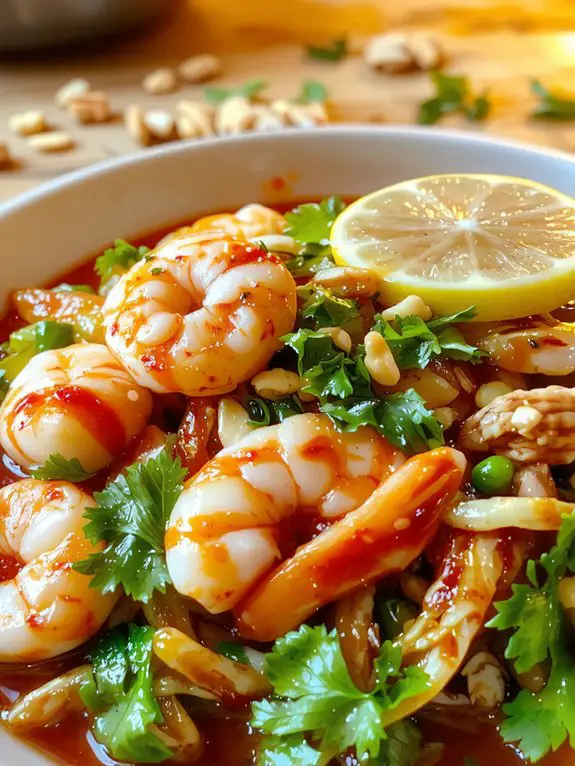
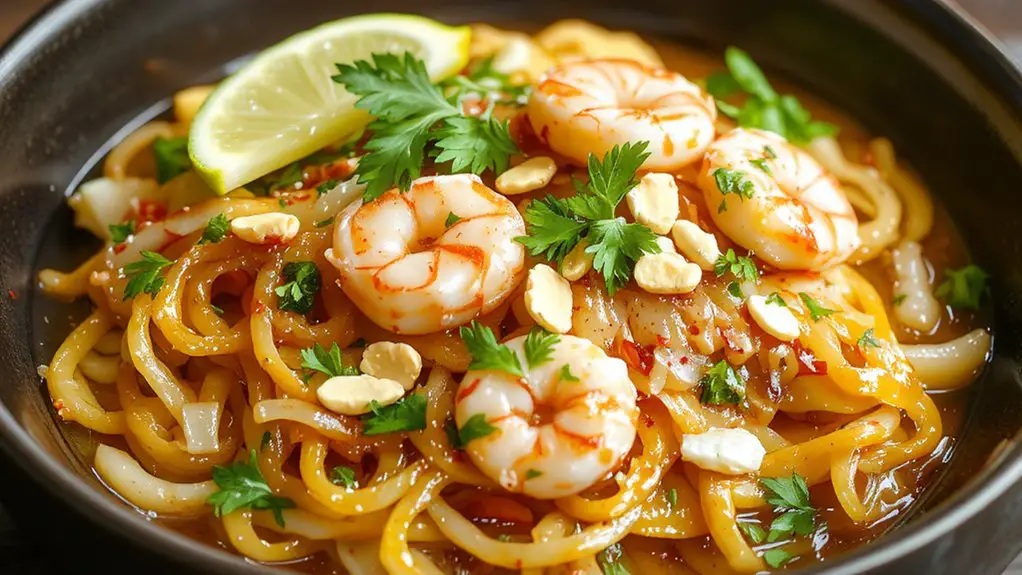
Recipe
This Pad Thai recipe is the real deal—it’s better than takeout, and I’ll stand by that. I’ve tweaked it over the years to nail that perfect balance of sweet, tangy, and savory, and it’s become a go-to in my kitchen.
The secret? Tamarind paste. It’s what gives that authentic tang you can’t get with substitutes, and trust me, it’s worth tracking down. Throw in the chewy rice noodles, crispy tofu (or your protein of choice), and that medley of crunchy peanuts and fresh lime, and you’ve got a dish that’s as fun to make as it’s to eat.
It’s all about layering flavors and textures—soft, chewy, crispy, and bright—in every bite. Don’t worry if you’ve never tried making Pad Thai at home; this recipe breaks it down so it’s totally doable. Once you taste how fresh and vibrant it is, you’ll never look back.
Ingredients
Pad Thai hinges on balancing sweet, sour, salty, and umami flavors, so choosing the right ingredients is key. While some items are flexible, others are non-negotiable for that authentic taste.
- Rice noodles: Look for flat rice sticks (about 1/4-inch wide). Soak them until pliable but not fully soft—they’ll finish cooking in the pan. *Substitution*: Thin rice vermicelli works in a pinch, but the texture will be lighter.
- Tamari or fish sauce: Fish sauce is traditional for its pungent umami kick, but tamari is a great swap for a gluten-free or vegetarian option.
- Tamarind paste: This is the soul of Pad Thai, providing that tangy depth. Use store-bought paste or reconstitute tamarind pulp in hot water. *Substitution*: Lime juice mixed with brown sugar in a pinch, but it won’t be quite the same.
- Palm sugar: Its caramel-like sweetness is essential. *Substitution*: Brown sugar works, but palm sugar adds a unique richness.
- Eggs: Scrambled into the noodles, they add creaminess and protein.
- Firm tofu: Pressed and cubed, it soaks up the sauce beautifully. *Substitution*: Chicken, shrimp, or even tempeh can replace tofu.
- Garlic and shallots: These aromatics build the base flavor. Don’t skip them!
- Dried shrimp and preserved radish: Optional but highly recommended for authenticity—they add a salty, funky dimension.
- Bean sprouts: They provide a fresh crunch. Add half during cooking and the rest as a garnish. *Substitution*: Shredded cabbage if sprouts aren’t available.
- Peanuts: Crushed for garnish, they offer nutty richness.
- Scallions and lime wedges: For finishing—brightness is everything.
- Chili flakes or Thai bird’s eye chilies: Adjust to your preferred heat level.
Pro tip: Prep everything before you start cooking—Pad Thai comes together fast, and you’ll need all your ingredients ready to go.
Extra limes and extra peanuts on the side make for a truly elevated dish.
How to Make the Best Authentic Pad Thai Flavors
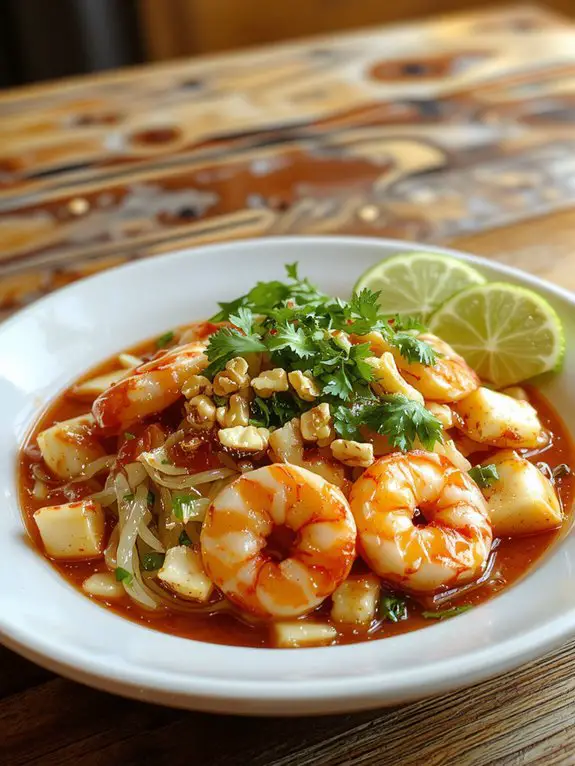
- Prepare Your Ingredients: Soak the rice noodles in warm water for about 30 minutes until they’re pliable but not fully cooked. Drain and set aside. This step guarantees the noodles won’t overcook when stir-frying and helps achieve the perfect texture.
- Make the Pad Thai Sauce: In a small bowl, combine fish sauce, tamarind paste, sugar, and a splash of water. Whisk until the sugar dissolves completely. Taste and adjust the balance of sweet, sour, and salty to your preference—this sauce is the heart of the dish.
- Heat the Pan: Preheat a large wok or skillet over medium-high heat. Add a tablespoon of oil and swirl to coat the surface evenly. Properly heating the pan prevents sticking and guarantees even cooking.
- Cook the Protein: Add your choice of protein (chicken, shrimp, or tofu) and cook until just done. Remove and set aside. This step guarantees your protein is tender and not overcooked when added back later.
- Scramble the Eggs: Push the protein to one side of the pan, add a bit more oil if needed, and crack in the eggs. Let them set slightly before scrambling gently. Eggs add richness and texture to the dish.
- Stir-Fry the Noodles: Add the soaked noodles to the pan and toss gently to combine with the eggs and protein. Pour in the prepared Pad Thai sauce and toss everything together. Be careful not to break the noodles—tossing gently keeps them intact.
- Add the Veggies: Toss in bean sprouts, garlic chives, and any additional veggies. Stir-fry briefly just until the sprouts soften slightly but retain their crunch. Overcooking can make them soggy.
- Finish with Garnishes: Transfer to a serving plate and top with crushed peanuts, fresh cilantro, and a wedge of lime. These garnishes add brightness and enhance the authentic flavors.
- Serve Immediately: Pad Thai is best enjoyed fresh out of the pan while the noodles are still hot and flavorful. Letting it sit too long can cause the noodles to clump together.
- Pro Tip: For extra authenticity, serve with a side of pickled turnips or radishes—they add a tangy contrast to the dish.
- Watch Out: Avoid overcrowding the pan when stir-frying, as it can lower the temperature and make the noodles mushy. Work in batches if necessary.
Nutrition
Pad Thai is a nutritious dish packed with flavors and essential nutrients. Here’s a breakdown of its nutritional value per serving:
| Nutrient | Amount |
|---|---|
| Calories | 400 kcal |
| Protein | 15 g |
| Carbohydrates | 50 g |
| Fat | 12 g |
| Fiber | 3 g |
| Sugar | 8 g |
| Sodium | 800 mg |
Chef Tips
While making Pad Thai might seem simple, I’ve learned a few tricks over the years that really elevate the dish. Sharp knife skills are essential for finely chopping peanuts and slicing veggies evenly.
Invest in a good wok or non-stick pan to guarantee even heat distribution, and use a spatula designed for stir-frying to keep the noodles intact. These cooking tools make all the difference in texture and flavor.
Frequently Asked Questions
Can I Make Pad Thai Without Fish Sauce?
Yes, I can make pad thai without fish sauce by using vegan alternatives like soy sauce, tamari, or coconut aminos for a similar umami flavor. These quick substitutions still give the dish depth and keep it tasty.
What’s the Best Substitute for Tamarind Paste?
I’d use lime juice or rice vinegar as tamarind alternatives if I don’t have tamarind paste. They’ll add the sourness balance I need, though I might adjust the amount to match the tanginess I’m aiming for.
How Do I Prevent Noodles From Sticking Together?
I rinse rice noodles under cold water after soaking them in boiling water—it stops them from sticking. I also toss them with a little oil if I’m not cooking them right away. Works every time!
Can I Use Pre-Cooked Noodles for This Recipe?
I wouldn’t recommend pre-cooked noodles because they’ll mess with the noodle texture, making them too soft or mushy. Fresh or properly soaked rice noodles save preparation time and give the dish that authentic chewy bite.
Is Pad Thai Gluten-Free?
I can tell you pad thai isn’t gluten-free if it’s made with regular rice noodles and soy sauce, but I’ve found gluten free options by using tamari instead. It’s easy to make celiac friendly meals this way.


