The Best Homemade Gingerbread Cookie Recipe
Recipe
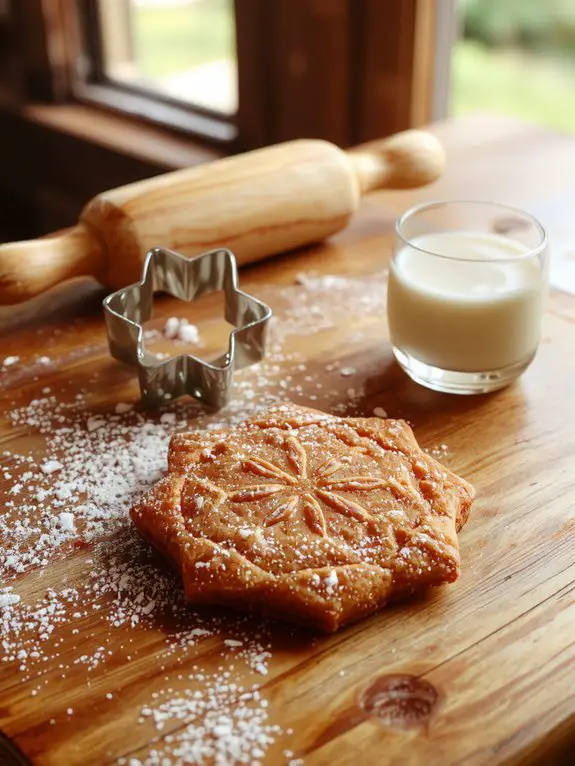
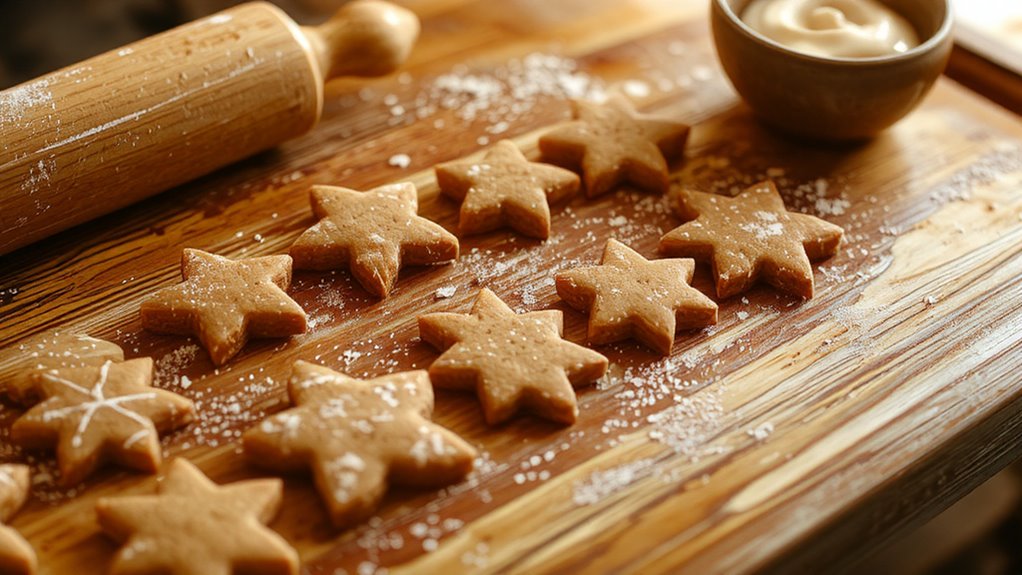
There’s something magical about gingerbread cookies—warm, spicy, and just sweet enough to make your kitchen smell like holiday heaven. This recipe? It’s the one I’ve tweaked over the years to get that perfect chewy center with a crisp edge, loaded with molasses depth and a kick of ginger that lingers.
Trust me, these aren’t your average cookies—they’re the kind people beg you to make every year. The secret? A bold hit of fresh ginger and a pinch of black pepper for a little unexpected warmth.
One bite, and you’ll swear off store-bought forever. Plus, they’re ridiculously easy to whip up—no fancy skills required, just a love for cozy, spiced goodness. Let’s bake some memories.
Ingredients
When making gingerbread cookies, the ingredients are essential for achieving that perfect balance of spice, sweetness, and chewiness. Opt for high-quality spices and fresh ingredients to guarantee your cookies are full of flavor and texture. Here’s what you’ll need and why each one matters:
- Unsalted butter (softened) – Creates a rich, tender crumb. Use room temp butter for easy mixing.
- Brown sugar – Adds moisture and a deep molasses-like flavor. Light or dark works, but dark brown sugar will give a richer taste.
- Molasses – The star of the show! Use unsulphured molasses for a smooth, robust flavor. Don’t skip this—it’s what makes gingerbread, gingerbread.
- Egg – Binds the dough and adds structure. Room temperature is best for even mixing.
- All-purpose flour – Provides the base structure. For a softer cookie, you can swap 1/4 cup with cake flour.
- Ground ginger – The key spice! Use a generous amount for that signature warmth. Freshly ground ginger packs the most punch.
- Ground cinnamon – Complements the ginger with a sweet, earthy note.
- Ground cloves – Adds depth and a hint of complexity. A little goes a long way.
- Baking soda – Helps the cookies rise slightly and keeps them from being too dense.
- Salt – Balances the sweetness and enhances the spices.
Pro Tip: Use fresh spices for the best flavor—they lose potency over time.
If you’re out of molasses, you can substitute with honey, but expect a milder taste. For a gluten-free option, swap the all-purpose flour with a 1:1 gluten-free blend, but the texture may vary slightly.
Little Wins: Add a pinch of black pepper or cardamom for an unexpected twist, or brush the baked cookies with a simple icing glaze for a festive touch.
How to Make the Best Gingerbread Cookie Baking Steps
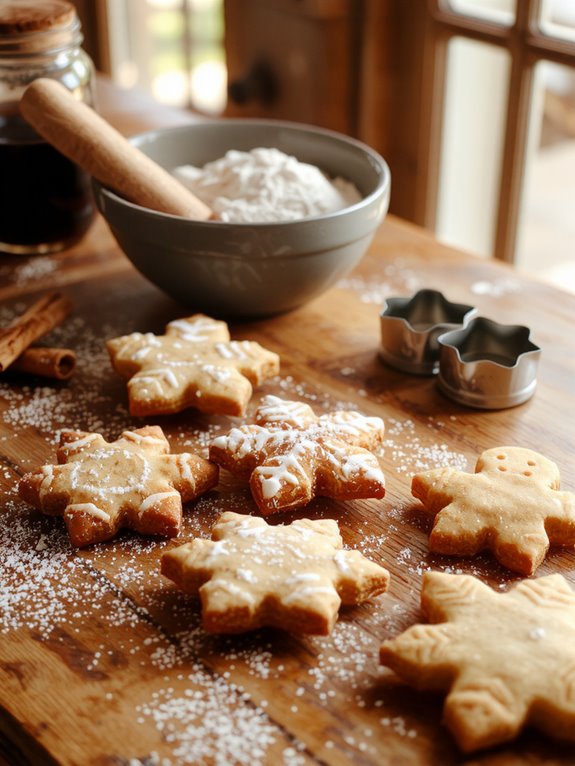
- Gradually add dry ingredients to wet, mixing on low speed. Stop as soon as the dough comes together—overworking the flour leads to tough cookies.
- Chill the dough for at least 1 hour. This firms it up for easier rolling and prevents spreading in the oven.
Shortcut: Divide dough into discs for faster chilling.
- Roll dough to ¼-inch thickness on a floured surface. Too thin, and cookies burn; too thick, and they stay doughy. Aim for consistency.
- Cut shapes with cookie cutters, spacing them 1 inch apart on the baking sheet.
Re-roll scraps once—overhandling makes dough tough.
- Bake for 8–10 minutes until edges are set but centers are slightly soft. They’ll firm up as they cool. Watch closely—gingerbread burns fast!
- Let cookies cool on the sheet for 5 minutes before transferring to a rack. They’re fragile when hot but crisp up perfectly as they cool.
- Decorate once completely cool with icing or candies. Warm cookies melt decorations, so patience pays off!
Store in an airtight container to keep them fresh.
Nutrition
Gingerbread cookies are a festive treat, but it’s good to be mindful of their nutritional content. Here’s the breakdown per serving:
| Nutrient | Amount per Serving |
|---|---|
| Calories | 150 kcal |
| Total Fat | 5 g |
| Saturated Fat | 3 g |
| Cholesterol | 15 mg |
| Sodium | 120 mg |
| Total Carbs | 25 g |
| Dietary Fiber | 1 g |
| Sugars | 12 g |
| Protein | 2 g |
Chef Tips
To guarantee your gingerbread cookies turn out perfectly, I always recommend chilling the dough thoroughly before baking—this helps maintain their shape and enhances the texture.
Use sharp knife skills when cutting shapes to avoid ragged edges. For plating techniques, dust with powdered sugar or arrange cookies with fresh mint for contrast.
A warm cookie sheet secures even baking, so rotate trays halfway through.
Frequently Asked Questions
Can I Substitute Molasses With Honey?
Yes, I can substitute molasses with honey. It’s one of my favorite sugar alternatives, and I love honey’s benefits, like its natural sweetness and moisture. Just remember to adjust the amount since honey’s sweeter.
How Long Do Gingerbread Cookies Stay Fresh?
I’ve found gingerbread cookies stay fresh for 1-2 weeks with proper storage tips. Keep them in airtight containers at room temperature to maximize shelf life. Moisture control is key—they’ll lose freshness faster if exposed to humidity.
Can I Freeze Gingerbread Cookie Dough?
Yes, I freeze gingerbread cookie dough often. For dough preparation, I shape it into a disc or log, wrap it tightly in plastic, then seal in a freezer bag. Freezing tips include labeling with the date. It lasts months.
What’s the Best Way to Decorate Gingerbread Cookies?
I love using royal icing for clean lines on my cookie shapes. I start with a thicker outline, then flood with thinner icing. Adding details with piping or edible glitter makes them pop—simple but stunning!
Why Did My Cookies Spread Too Much?
I think your cookies spread because your oven temperature was too low or your dough was too soft. If it’s warm or sticky, chill it first—that helps keep their shape while baking.