The Best Homemade Fudge Recipe
Recipe
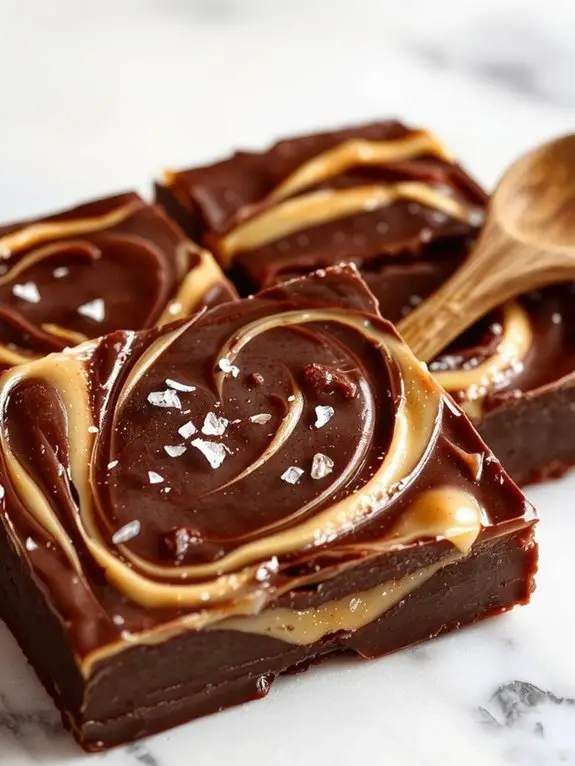
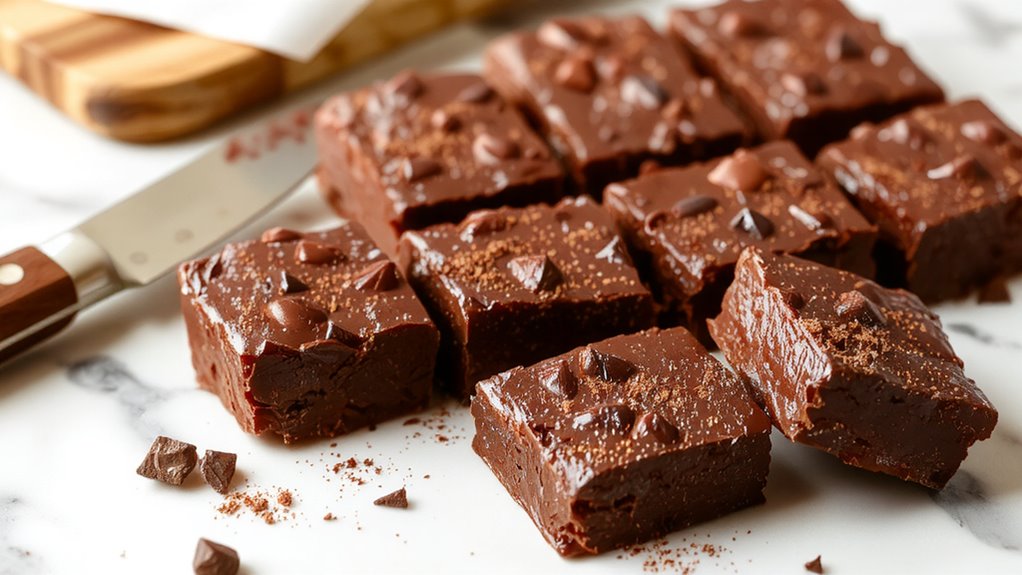
If there’s one dessert that screams indulgence and nostalgia in every bite, it’s this homemade fudge. I’ve made it countless times—for family gatherings, holiday parties, or just a quiet afternoon treat—and it never fails to wow.
What sets this recipe apart is its simplicity: just a handful of pantry staples transform into the creamiest, melt-in-your-mouth fudge you’ll ever taste. The secret? A perfect balance of rich chocolate and sweetened condensed milk, creating a smooth texture that’s impossible to resist.
Whether you’re a seasoned baker or a total newbie, this recipe is foolproof and forgiving. Picture cutting into a velvety square, the chocolate aroma enveloping you, and that first bite hitting all the right notes—rich, decadent, and utterly satisfying.
Trust me, once you make this fudge, you’ll wonder why you ever bought it from a store. Let’s get started—your sweet tooth will thank you!
Ingredients
Fudge is all about simplicity and precision, and the right ingredients can make or break your batch. Opt for high-quality items for the best results—your taste buds will thank you. Here’s what you’ll need:
- Granulated Sugar: The foundation of fudge. Use fresh, dry sugar to avoid crystallization.
- Unsalted Butter: Adds richness and creaminess. Unsalted lets you control the flavor balance.
- Evaporated Milk: Thicker than regular milk, it creates a smooth, velvety texture. Avoid sweetened condensed milk—it’s too sugary.
- Semi-Sweet Chocolate Chips: Go for high-quality brands like Ghirardelli or Guittard for the best flavor. You can swap with dark chocolate for a richer taste.
- Marshmallow Fluff: Acts as a stabilizer and gives fudge its signature chewy texture. Don’t skip this!
- Vanilla Extract: Pure extract brings depth and warmth. Imitation vanilla won’t give the same result.
- Salt: Just a pinch enhances all the flavors and balances the sweetness.
Optional Add-Ins:
- Chopped Nuts: Walnuts or pecans add a crunchy contrast.
- Sea Salt: Sprinkle on top for a gourmet finish.
- Sprinkles: Perfect for a fun, festive touch.
Pro Tip: Use a candy thermometer to confirm your sugar mixture reaches the *soft ball stage* (234°F)—this guarantees the perfect fudge consistency every time.
How to Make the Best Perfect Chocolate Fudge Recipe
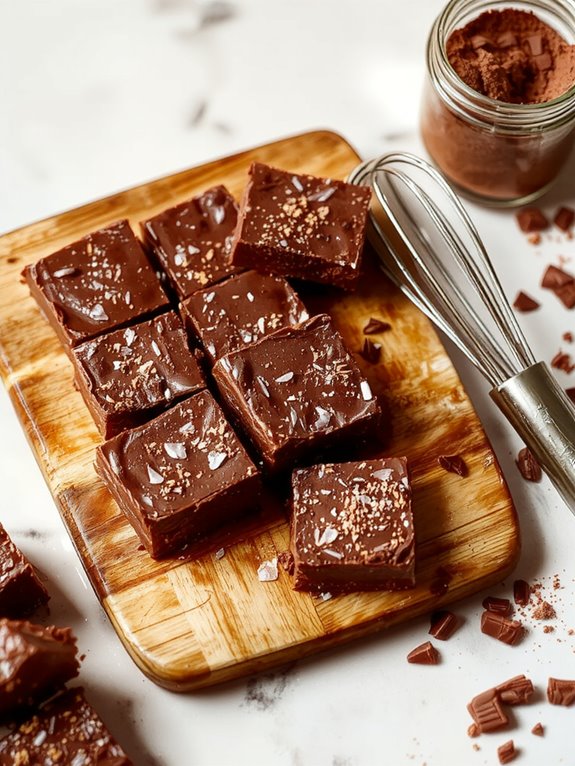
Pour and Smooth: Transfer the mixture to the prepared pan, spreading it evenly with a spatula. Tap the pan gently on the counter to remove air bubbles and create a smooth surface.
Chill Until Set: Refrigerate the fudge for at least 2 hours, or until firm. This allows it to set properly.
For quicker results, place it in the freezer for 30-45 minutes.
Cut and Serve: Use the parchment paper overhangs to lift the fudge out of the pan. Cut it into small squares with a sharp knife. Wipe the knife clean between cuts for neat edges.
Store Properly: Keep the fudge in an airtight container at room temperature for up to a week or refrigerate for up to two weeks. Layer squares with parchment paper to prevent sticking.
Pro Tip: For a twist, add mix-ins like chopped nuts, marshmallows, or crushed cookies after combining the ingredients but before pouring into the pan.
Watch Out: Avoid overcooking the chocolate mixture, as it can lead to a grainy texture. Stir gently and keep the heat low.
Nutrition
This homemade fudge recipe is a sweet treat with a rich nutritional profile. Here’s a breakdown of its key nutritional values per serving:
| Nutrient | Amount per Serving |
|---|---|
| Calories | 120 kcal |
| Total Fat | 6g |
| Saturated Fat | 4g |
| Cholesterol | 10mg |
| Sodium | 25mg |
| Total Carbohydrate | 15g |
| Sugars | 14g |
| Protein | 1g |
| Calcium | 20mg |
Chef Tips
When making this fudge, I’ve found that a few simple techniques can elevate the final result. Use a heavy-bottomed pan to prevent scorching, and stir gently to avoid crystallization.
A candy thermometer guarantees precise cooking to the soft-ball stage. Always let the mixture cool slightly before beating to achieve a creamy texture.
Store the fudge in an airtight container to keep it fresh and prevent drying out.
Frequently Asked Questions
Can I Use Margarine Instead of Butter?
I’d recommend sticking to butter because it gives fudge a richer flavor and smoother texture. Margarine can work in a pinch, but it might affect the taste and consistency, so I’d use it sparingly.
How Long Does Homemade Fudge Last?
I keep homemade fudge fresh for about 2 weeks when stored in an airtight container at room temperature. If refrigerated, it lasts up to 3 weeks, but I find it tastes best within the first week.
Can I Freeze Fudge for Later?
Yes, I can freeze fudge for later. I’ll wrap it tightly in parchment paper, then place it in an airtight container or freezer bag. It stays good for up to 3 months, and I’ll thaw it slowly in the fridge.
Why Did My Fudge Turn Out Grainy?
Your fudge turned out grainy because the sugar didn’t dissolve completely or it crystallized during cooking. I’d recommend stirring gently, avoiding scraping the sides of the pan, and using a candy thermometer to get the right temperature.
Can I Make Fudge Without a Candy Thermometer?
I can make fudge without a candy thermometer by using the cold water test. I just drop a bit of the mixture into cold water; if it forms a soft ball, it’s ready. It’s simple and effective.