The Best Homemade Pound Cake Recipe
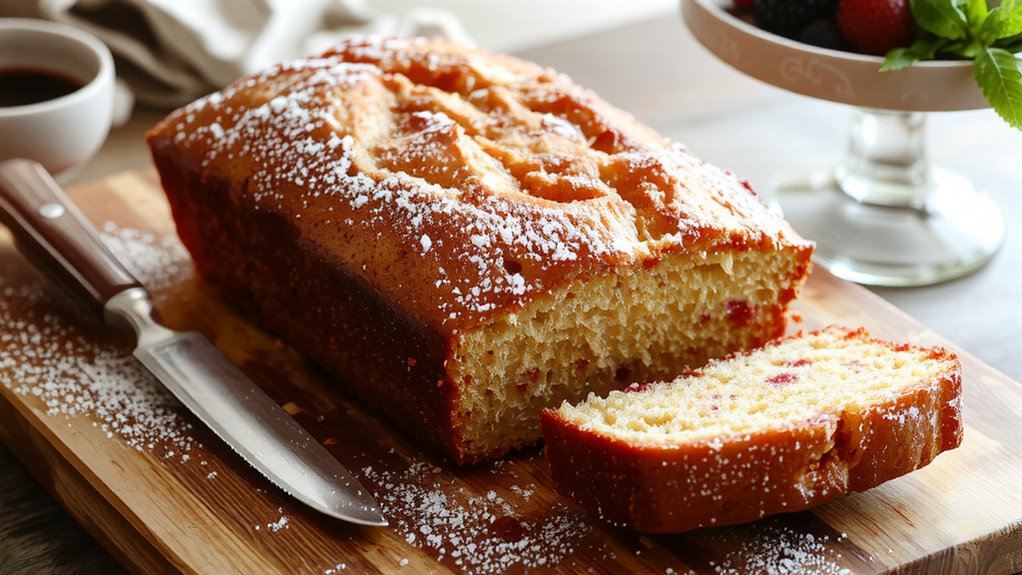
Recipe
This pound cake is a game-changer—trust me, it’s the one recipe you’ll come back to time and time again. What makes it special? The perfect balance of rich, buttery flavor and a tender, velvety crumb that melts in your mouth.
I’ve been baking this cake for years, and it’s always a crowd-pleaser, whether it’s for a cozy Sunday brunch or a special celebration. The secret? High-quality ingredients and a method that’s as simple as it’s foolproof.
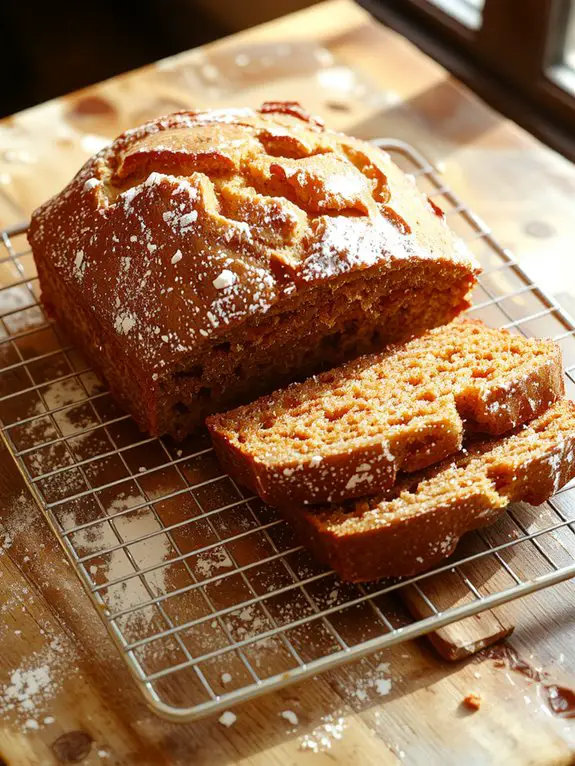
Imagine slicing into a golden loaf with a crackly crust, releasing a heavenly aroma of vanilla and butter. Each bite is pure comfort—slightly dense yet incredibly moist, with a delicate sweetness that’s just right.
You don’t need to be a baking pro to nail this; it’s straightforward, reliable, and absolutely delicious. Ready to bake? Let’s do this.
Ingredients
To craft the perfect homemade pound cake, selecting the right ingredients is vital. Each component plays a specific role in achieving that dense, buttery texture and rich flavor that pound cake is known for. Here’s what you’ll need, along with insider tips and swaps to make it work for your kitchen:
- Unsalted Butter (1 cup, softened): The backbone of pound cake. Use high-quality butter for the best flavor. If you only have salted butter, reduce added salt by half.
- Granulated Sugar (1 ¾ cups): Essential for sweetness and structure. Avoid swapping with brown sugar—it adds moisture and alters the texture.
- Eggs (4 large, room temperature): Eggs provide structure and richness. Always use room temperature eggs for even mixing.
- All-Purpose Flour (3 cups): Stick to all-purpose flour for the perfect density. Cake flour can make it too delicate.
- Baking Powder (½ teaspoon): A small amount helps the cake rise slightly. Don’t skip it!
- Salt (½ teaspoon): Balances the sweetness. If using salted butter, reduce this to ¼ teaspoon.
- Whole Milk (1 cup, room temperature): Adds moisture. Substitute with buttermilk for a tangy twist or a mix of milk and vinegar if buttermilk isn’t available.
- Pure Vanilla Extract (2 teaspoons): Enhances flavor. Use high-quality vanilla for the best results—imitation vanilla won’t cut it.
- Lemon Zest (1 teaspoon, optional): Adds a bright, citrusy note. Fresh zest is non-negotiable—skip bottled zest entirely.
Pro Tip: Measure your flour correctly by spooning it into the measuring cup and leveling it off. Packing flour can lead to a dry cake.
This recipe is flexible, but don’t skimp on butter or eggs—they’re the heart of pound cake!
How to Make the Best Classic Pound Cake Essentials
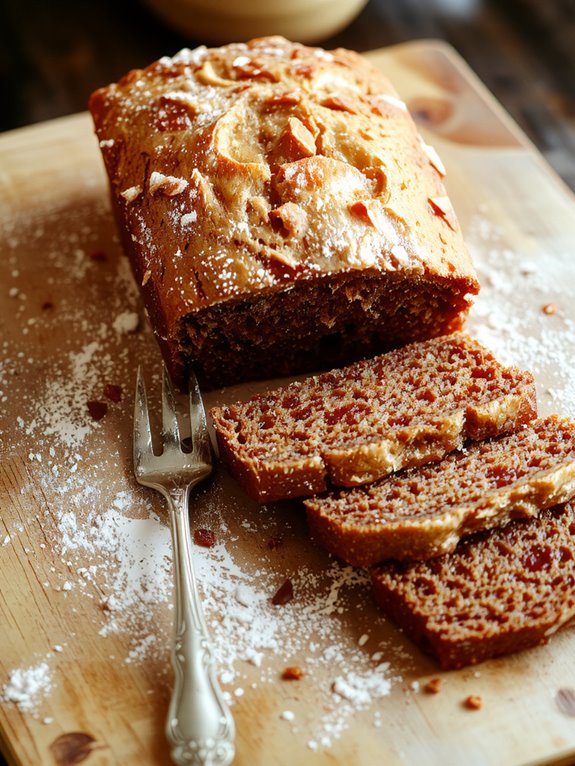
Gradually add the sifted flour and salt to the wet ingredients.
Sifting the flour prevents lumps and guarantees even mixing. Use a low speed and mix just until combined—overmixing can lead to a tough texture.
Pour the batter into the prepared pan and smooth the top with a spatula.
Gently tap the pan on the counter to release any air bubbles. This helps the cake bake evenly.
Bake for 60-75 minutes, rotating the pan halfway through.
Baking times may vary depending on your oven. The cake is done when a toothpick inserted into the center comes out clean or with a few crumbs.
Let the cake cool in the pan for 15 minutes before transferring it to a wire rack.
Cooling in the pan helps the cake set, but leaving it too long can trap moisture and make it soggy.
Slice and enjoy once completely cooled.
For clean slices, use a serrated knife and wipe it clean between cuts. Serve plain, dusted with powdered sugar, or topped with fresh berries and whipped cream.
Nutrition
Nutritional values can vary based on ingredient brands and portion sizes. Always consult a nutritionist for precise dietary needs.
Calories | Fat | Carbs | Protein | Sodium | Sugar
———– | —- | —– | ——- | —— | —–
350 | 15g | 45g | 5g | 200mg | 25g
Chef Tips
Mastering a pound cake requires attention to detail, and I’ve found a few tricks that make all the difference.
Always use room-temperature ingredients—they blend evenly. Cream the butter and sugar thoroughly for a light texture.
Sift the flour to avoid lumps.
Don’t overmix after adding flour; it toughens the cake.
Bake in a preheated oven and test doneness with a skewer.
Let it cool completely before slicing.
Frequently Asked Questions
Can I Use a Different Type of Pan?
Yes, you can use a different pan, but I’d adjust the baking time accordingly. A loaf pan works well, or I’d try a Bundt pan for a prettier shape. Just make sure it’s well-greased to prevent sticking.
How Do I Store Leftover Pound Cake?
I wrap leftover pound cake tightly in plastic or store it in an airtight container. It keeps at room temp for 3 days or in the fridge for up to a week. I freeze slices for longer storage.
Can I Freeze Pound Cake?
Yes, I can freeze pound cake. I’ll wrap it tightly in plastic wrap or aluminum foil, then place it in a freezer bag to prevent freezer burn. It’ll keep well for up to three months.
Why Did My Cake Sink in the Middle?
Your cake sank because I might’ve underbaked it, opened the oven too early, or overmixed the batter. I also could’ve added too much leavening or not let it cool properly. I’ll watch these next time.
How Do I Prevent a Dry Cake?
I’ll prevent a dry cake by measuring ingredients accurately, not overmixing the batter, and avoiding overbaking. I’ll also verify my oven’s temperature is correct and sometimes add moisture with ingredients like sour cream or yogurt.