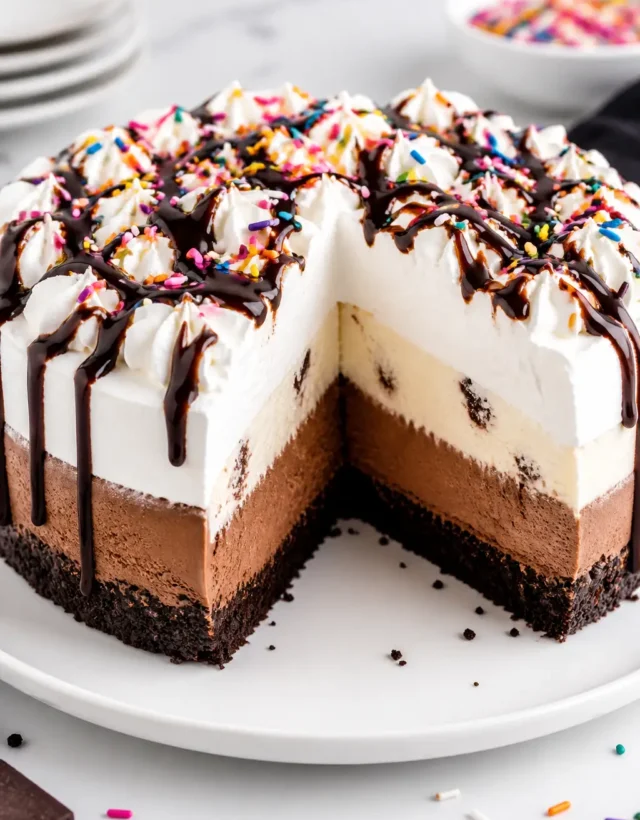
The Best Homemade Cake Recipe
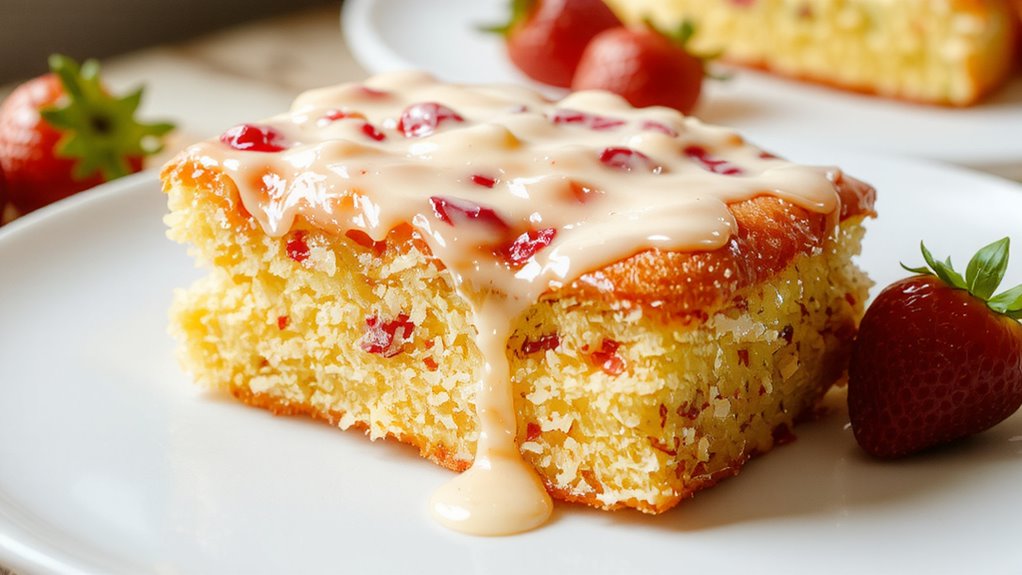
Recipe
I can confidently say this homemade cake is a game-changer—once you try it, you’ll never look at store-bought desserts the same way.
What makes this recipe stand out is its simplicity and the magic of using real, quality ingredients that shine through in every bite. Whether it’s the rich vanilla scent wafting from the oven or the silky, melt-in-your-mouth texture, this cake is pure indulgence.
I’ve made this countless times for birthdays, potlucks, and even just because—it’s always a crowd-pleaser. Trust me, with just a few steps, you’ll have a dessert that looks stunning and tastes even better.
Let’s get baking—you’ve got this!
Ingredients
To bake the perfect homemade cake, start with the right ingredients. The foundation of any great cake is in the details—quality ingredients and smart substitutions can make all the difference. Here’s what you’ll need, along with some insider tips to guarantee your cake is a showstopper.
- All-purpose flour: Creates the perfect crumb structure. For a lighter texture, sift it before using.
- Granulated sugar: Sweetens the cake while helping it brown beautifully. A touch of brown sugar can add depth if you’re feeling adventurous.
- Unsalted butter: Adds richness and flavor. Make sure it’s softened for easy mixing—cold butter can ruin the texture.
- Eggs: Bind the ingredients and add moisture. Room temperature eggs blend more evenly.
- Whole milk: Keeps the cake tender. No milk? Use buttermilk or a mix of milk and vinegar for a tangy twist.
- Baking powder & baking soda: Essential leaveners. Double-check the expiration dates—old ones won’t rise properly.
- Vanilla extract: A must for depth of flavor. Pure vanilla extract is worth the splurge.
- Vegetable oil: Adds moisture without making the cake heavy. Don’t skip it—it’s the secret to a tender crumb.
*Pro Tip*: For an extra layer of flavor, consider adding fresh lemon zest, almond extract, or a pinch of cinnamon. These small additions can elevate your cake from good to unforgettable.
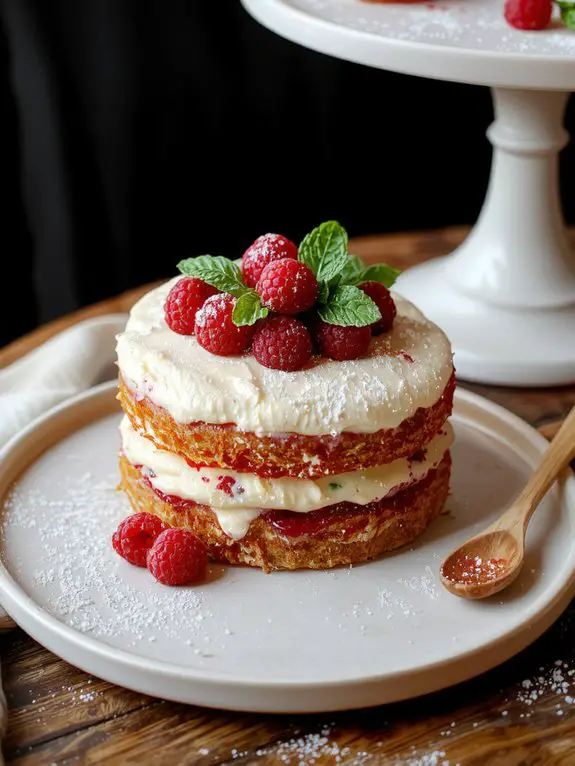
*Garnish Ideas*: Fresh berries, a dusting of powdered sugar, or a drizzle of chocolate ganache can turn your cake into a masterpiece.
How to Make the Best Perfect Vanilla Sponge Cake
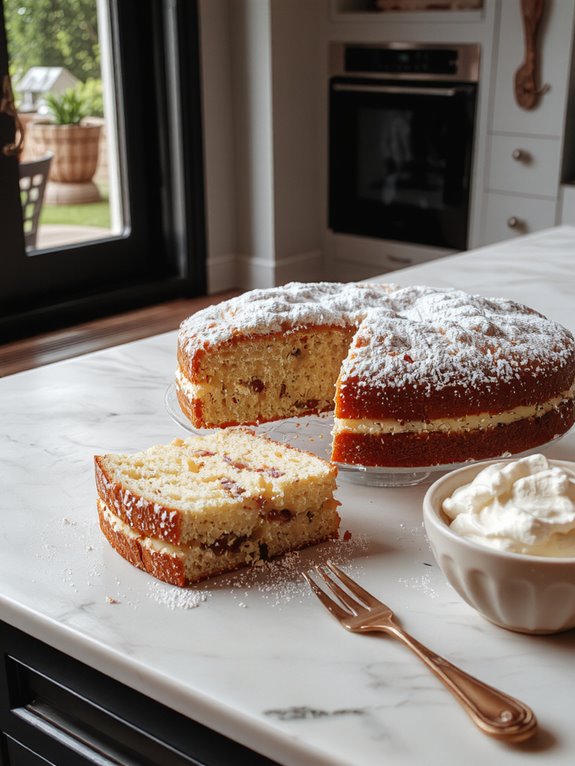
- Preheat your oven to 350°F (175°C) and line your cake pans with parchment paper. This guarantees even baking and easy removal of the cake.
- Combine softened butter and sugar in a large bowl and beat until light and fluffy. Creaming them together incorporates air, which gives the cake its rise.
- Add eggs one at a time, mixing well after each addition. This prevents the batter from curdling and secures a smooth texture.
- Sift together the dry ingredients (flour, baking powder, and salt) in a separate bowl. Sifting removes lumps and distributes the leavening agents evenly.
- Alternate adding the dry ingredients and milk to the butter mixture, starting and ending with the dry ingredients. This method keeps the batter smooth and prevents overmixing.
- Mix just until combined—overmixing can lead to a dense cake. A few streaks of flour are fine; they’ll disappear during baking.
- Divide the batter evenly between the prepared pans and smooth the tops with a spatula. This guarantees even baking and a flat surface for stacking.
- Bake for 25–30 minutes, or until a toothpick inserted into the center comes out clean. If the top browns too quickly, tent it with foil.
- Let the cakes cool in the pans for 10 minutes, then transfer them to a wire rack to cool completely. This prevents the cakes from getting soggy.
- Level the cakes with a serrated knife if needed for layering. A flat surface makes frosting easier and gives your cake a professional look.
- Frost and assemble your cake once it’s completely cool. Warm cakes can cause frosting to melt and slide off.
- Pro Tip: Wrap the cooled cake layers in plastic wrap and freeze for 30 minutes before frosting. This makes them easier to handle and less crumbly.
- Watch Out: Avoid overbaking, as it can dry out the cake. Set a timer and check for doneness a few minutes early.
- Flexibility: Use 8-inch or 9-inch pans for this recipe. Adjust the baking time slightly (9-inch pans may bake faster).
Nutrition
This homemade cake recipe provides the following nutritional information per serving.
| Calories | 350 kcal |
|---|---|
| Carbs | 45g |
| Protein | 5g |
| Fat | 15g |
| Sugar | 30g |
| Fiber | 2g |
Chef Tips
Making a great cake isn’t just about ingredients—it’s about technique. I always sift flour for a lighter texture and verify butter’s at room temperature for smooth mixing.
Preheat your oven to avoid uneven baking, and don’t overmix the batter—it toughens the cake. Use a toothpick to check doneness; it should come out clean.
Let the cake cool completely before frosting to prevent melting. These steps make all the difference.
Frequently Asked Questions
Can I Substitute Oil for Butter in This Cake?
I can substitute oil for butter, but the texture might change. Oil makes cakes moist and dense, while butter adds richness and flavor. Use ¾ cup oil for every cup of butter and expect a slightly different result.
How Do I Store Leftover Cake?
I’ll store leftover cake in an airtight container or wrap it tightly in plastic wrap to keep it fresh. If it’s frosted, I’ll refrigerate it; otherwise, I keep it at room temperature for a day or two.
Can I Freeze This Cake for Later?
Yes, I can freeze this cake for later; I’ll wrap it tightly in plastic wrap or foil to prevent freezer burn and place it in an airtight container. It’ll stay fresh for up to three months.
What Can I Use Instead of Vanilla Extract?
I’d use almond extract for a nutty flavor, or maple syrup for sweetness. You could also try citrus zest for freshness if you’re out of vanilla. Each swap changes the taste, but it’ll still work.
How Long Should I Cool the Cake Before Icing?
I let my cake cool completely before icing—usually about 30 minutes in the pan and another 30 on a wire rack. If it’s too warm, the icing melts and ruins the finish. Patience pays off!