The Best Homemade Shortbread Cookie Recipe
Recipe
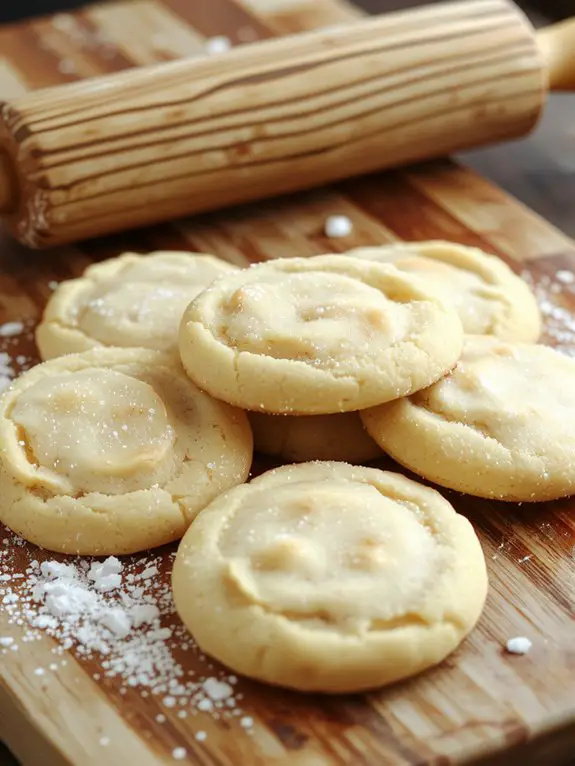
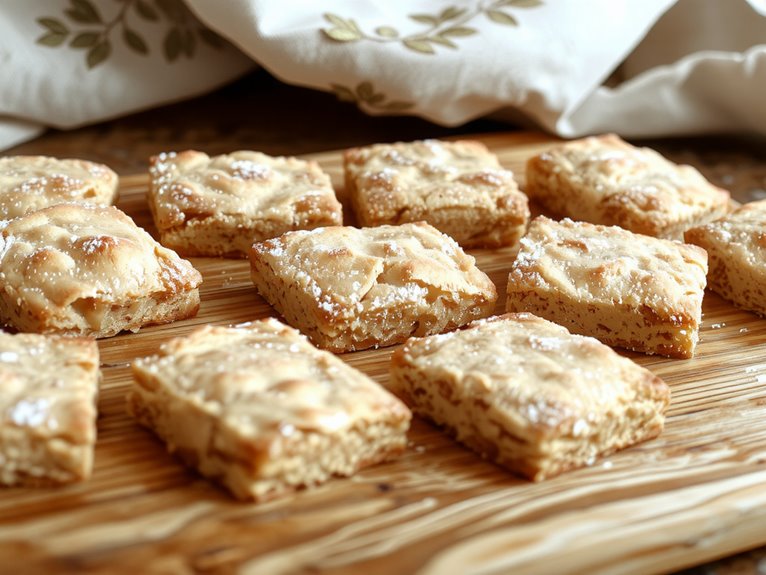
There’s something magical about a perfect shortbread cookie—buttery, crumbly, and just sweet enough to melt in your mouth. This recipe? It’s the one I swear by, the kind that disappears from the cookie jar faster than you can say “just one more.”
The secret? Real butter (and plenty of it), a pinch of flaky sea salt to balance the richness, and a foolproof method that guarantees tender, golden perfection every time.
These cookies are simplicity at its finest, with a texture so delicate it practically shatters with each bite. Whether you’re baking for a holiday treat or just because, trust me—this is the shortbread recipe you’ll come back to again and again.
Let’s get baking!
Ingredients
The secret to perfect shortbread lies in its simplicity—just a handful of high-quality ingredients create that melt-in-your-mouth texture we all love. Opt for the best you can find, and don’t skimp on the butter; it’s the star of the show. Here’s what you’ll need, with some insider tips to make your cookies unforgettable:
Dry Ingredients
- All-purpose flour – Stick to a trusted brand for consistency. Avoid over-measuring to keep the dough tender.
- Granulated sugar – Fine granulated sugar dissolves evenly, creating a smooth, crumbly texture.
- Salt – Just a pinch enhances the buttery flavor—use sea salt for a subtle crunch if you’re feeling fancy.
Wet Ingredients
– Unsalted butter – Cold, high-quality butter is non-negotiable. European-style butter (like Kerrygold) offers a richer flavor but works perfectly with regular unsalted butter too.
Optional Add-Ins
- Vanilla extract – A small splash adds depth, but it’s optional if you prefer pure buttery flavor.
- Powdered sugar – Dust on top after baking for a sweet finish and bakery-worthy look.
Substitutions & Tips
Instagram No unsalted butter? Use salted butter and reduce the added salt slightly.
Want extra richness? Replace 1-2 tablespoons of granulated sugar with powdered sugar for a finer crumb.
For a nutty twist, swap out ¼ cup of flour for finely ground almond flour—it adds a subtle complexity.
Keep it simple, but quality matters here. These ingredients are your ticket to shortbread perfection.
How to Make the Best Scottish Butter Shortbread Recipe
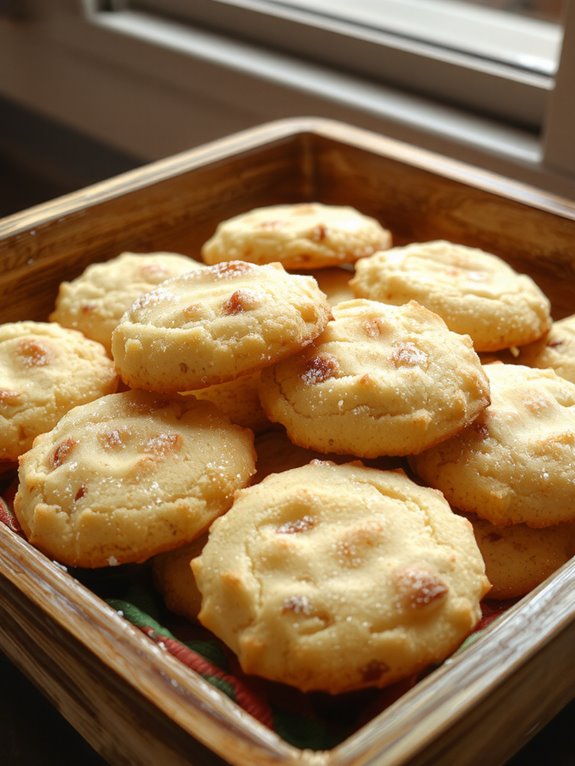
- Prick the surface of the dough all over with a fork. This prevents air bubbles from forming and guarantees the shortbread bakes evenly. It also gives it that classic shortbread look.
- Bake for 20-25 minutes, or until the edges are lightly golden. Keep an eye on it—shortbread can go from golden to overbaked quickly.
The center should still be pale but firm to the touch.
- Let the shortbread cool in the pan for 10 minutes, then carefully transfer it to a wire rack to cool completely. This prevents it from becoming soggy and allows it to crisp up perfectly.
- Cut the shortbread along the scored lines once it’s fully cooled. If you didn’t score it, use a sharp knife to slice it into even pieces.
Patience here pays off—cutting while warm can cause the shortbread to crumble.
- Store in an airtight container at room temperature for up to a week or freeze for longer storage. Shortbread improves with time as the flavors meld, so it’s perfect for making ahead.
- Pro Tip: For added flair, sprinkle the unbaked dough with a pinch of coarse sugar or a dusting of powdered sugar after baking. It’s a simple touch that elevates the presentation.
- Watch Out: Avoid overhandling the dough, as it can melt the butter and lead to greasy cookies. Work quickly and keep your hands cool.
- Flexibility: If you don’t have a pan, shape the dough into a log, chill it, and slice it into rounds for a unique twist. Adjust bake times slightly for thinner cookies.
Nutrition
This homemade shortbread cookie recipe offers a simple yet delightful treat. Here’s the nutritional breakdown per serving:
| Nutrient | Amount per Serving |
|---|---|
| Calories | 120 kcal |
| Total Fat | 7 g |
| Saturated Fat | 4.5 g |
| Cholesterol | 15 mg |
| Sodium | 40 mg |
| Total Carbohydrate | 12 g |
| Dietary Fiber | 0 g |
| Sugars | 3 g |
| Protein | 1 g |
Chef Tips
For the best shortbread cookies, I always recommend using cold butter—it helps create that perfect crumbly texture. Don’t overwork the dough; mix just until it comes together.
Chill it before baking to prevent spreading. Use a sharp knife to score slices for clean edges.
Bake at a low temperature to keep them tender. Let them cool completely before moving; they firm up as they set.
Frequently Asked Questions
Can I Use Margarine Instead of Butter?
I wouldn’t recommend margarine—it changes the texture and flavor. Shortbread relies on butter’s richness. If I had to substitute, I’d use high-fat margarine, but it still won’t taste as good as real butter. Stick with butter if you can.
How Do I Store Shortbread Cookies to Keep Them Fresh?
I store my shortbread cookies in an airtight container at room temperature. If I want them to last longer, I’ll add a piece of bread to keep them soft or freeze them for up to a month.
Can I Freeze the Dough Before Baking?
Yes, I can freeze shortbread dough before baking. Wrap it tightly in plastic wrap or place it in an airtight container, and it’ll keep for up to 3 months. Thaw it in the fridge before baking.
Why Did My Cookies Spread Too Much?
Your cookies likely spread because I used too much butter, softened it too much, or didn’t chill the dough. Overmixing the dough or using a warm baking sheet could also cause them to spread more than intended.
Can I Add Chocolate Chips to the Recipe?
Yes, you can add chocolate chips, but I’d recommend folding them in gently so the dough stays crumbly. Too many might make the cookies spread, so I’d stick to about ½ cup for best results.