The Best Homemade Spaghetti Recipe
Recipe
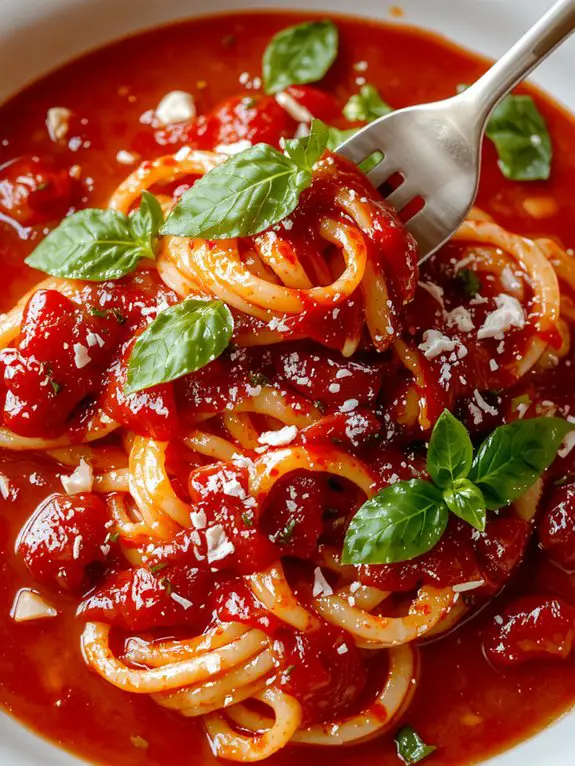
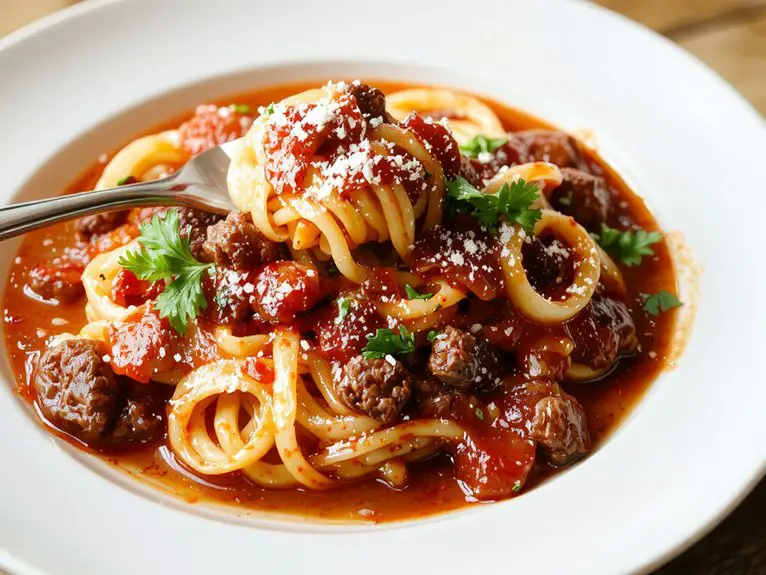
This spaghetti recipe is the real deal—I’ve made it countless times, and it never fails to impress. What sets it apart? A rich, slow-simmered sauce bursting with garlic, fresh basil, and perfectly balanced tomatoes that cling to every strand of al dente pasta.
I learned the trick of adding a splash of pasta water to the sauce from my Nonna, who swore it was the secret to restaurant-quality results. The first bite is a revelation: tender spaghetti coated in a velvety, savory sauce with just a hint of sweetness.
It’s simple enough for a weeknight dinner but so good it could easily star at your next gathering. Trust me, once you try this, you’ll never go back to jarred sauce.
Ingredients
The foundation of any great spaghetti dish lies in the quality of its ingredients. Using fresh, high-quality components can transform a simple pasta into a memorable meal. Here’s what you’ll need, along with insider tips to make your dish shine:
- Spaghetti noodles: Opt for 100% semolina pasta for that perfect al dente texture.
- Tomato sauce: Canned San Marzano tomatoes are a game-changer for their sweet, rich flavor.
- Garlic: Fresh cloves are non-negotiable—finely minced for maximum flavor dispersion.
- Olive oil: Extra virgin olive oil adds depth and richness; don’t skimp on this.
- Onion: Yellow onions caramelize beautifully, adding sweetness to the sauce.
- Ground beef or Italian sausage: A mix of both creates a robust, savory sauce.
- Red wine: A splash of dry red wine enhances the sauce’s complexity (substitute with broth if needed).
- Fresh basil: Essential for a bright, aromatic finish—dry basil won’t cut it here.
- Parmesan cheese: Freshly grated Parmigiano-Reggiano is worth the splurge for its nutty flavor.
- Salt and pepper: Kosher salt and freshly ground black pepper elevate every layer of the dish.
Pro tip: For extra richness, add a tablespoon of butter to the sauce before serving—it’s a chef’s secret for silky perfection.
How to Make the Best Classic Spaghetti Bolognese Recipe
- Begin by heating olive oil in a large skillet over medium heat. This step guarantees even cooking and prevents the ingredients from sticking to the pan.
- Add finely chopped onions, carrots, and celery, sautéing until softened and golden, which builds the flavor base of the sauce.
- Add minced garlic and cook for another minute until fragrant. Garlic burns easily, so keep an eye on it and stir constantly. This enhances the aromatic depth of the sauce.
- Add ground beef (or a mix of beef and pork) to the skillet. Break it apart with a wooden spoon and cook until browned and no longer pink. Browning the meat properly develops rich, savory flavors.
- Pour in crushed tomatoes, tomato paste, and a splash of red wine (optional). The wine adds complexity, but if you skip it, the sauce will still be delicious.
- Stir well to combine all ingredients evenly.
- Add bay leaves, dried oregano, and a pinch of sugar. These herbs and spices balance the acidity of the tomatoes and elevate the overall taste.
- Let the sauce simmer gently for at least 30 minutes, stirring occasionally. The longer it simmers, the richer the flavor.
- While the sauce simmers, cook your spaghetti in a large pot of salted boiling water until al dente. Salt the water generously to season the pasta.
- Avoid overcooking the pasta, as it will continue to cook slightly when mixed with the sauce.
- Drain the spaghetti and reserve about a cup of pasta water. The starchy water helps bind the sauce to the pasta, creating a silky, cohesive dish.
- Combine the cooked spaghetti with the Bolognese sauce in the skillet. Toss gently to coat the pasta evenly.
- If the sauce seems too thick, add reserved pasta water a little at a time until the desired consistency is reached.
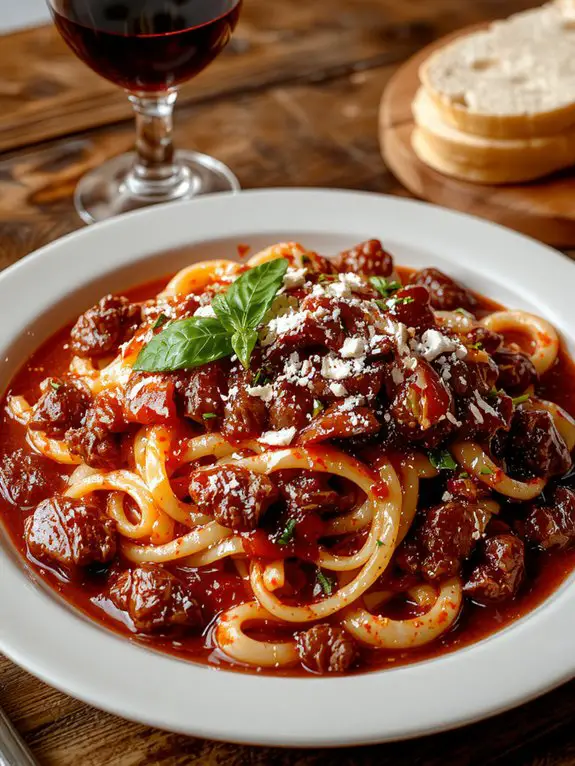
- Serve immediately, garnished with freshly grated Parmesan cheese and chopped parsley. Parmesan adds a salty, umami kick, while parsley brightens the dish.
- Pair with a side of crusty bread and a simple salad for a complete meal.
Pro Tip: For extra depth, let the sauce simmer for up to 2 hours on low heat. Stir occasionally and add a splash of water if it thickens too much. This slow-cooking method intensifies the flavors beautifully.
Watch-Out Warning: Avoid adding too much pasta water at once, as it can dilute the sauce. Add it gradually, tasting as you go, to maintain the perfect balance.
Nutrition
Spaghetti is a delicious and versatile dish that can be customized to suit your preferences. Here’s a breakdown of its nutritional value based on a typical homemade recipe:
| Nutrient | Amount per Serving |
|---|---|
| Calories | 320 kcal |
| Carbohydrates | 45 g |
| Protein | 12 g |
| Fat | 10 g |
| Saturated Fat | 3 g |
| Cholesterol | 20 mg |
| Sodium | 480 mg |
| Fiber | 3 g |
| Sugar | 4 g |
Chef Tips
When I make spaghetti at home, I always salt my pasta water generously—it’s the only chance to flavor the noodles themselves. I never rinse cooked pasta; the starch helps sauce cling better.
Reserve a cup of pasta water to adjust sauce consistency. Cook pasta al dente—it’ll finish in the sauce.
Freshly grated Parmesan melts smoother than pre-shredded. A splash of olive oil prevents sticking without making it slippery.
Frequently Asked Questions
Can I Use a Different Type of Pasta?
Yes, you can use a different type of pasta if you’d like. I’ve tried penne, fettuccine, and even rigatoni, and they all work well. Just adjust the cooking time based on the pasta’s thickness and texture.
How Do I Store Leftover Spaghetti?
I store leftover spaghetti in an airtight container in the fridge for up to 3 days. If I want it to last longer, I freeze it—just make sure it’s cooled first to avoid sogginess.
Is This Recipe Freezer-Friendly?
Yes, this recipe’s freezer-friendly. I’d let the spaghetti cool completely before storing it in an airtight container or freezer bag. It’ll last up to 3 months, and you can reheat it when ready to enjoy.
Can I Make It Vegetarian?
Yes, I can make it vegetarian by skipping the meat and using mushrooms, lentils, or meatless crumbles. I’ll also verify the broth or sauce base is veggie-friendly. It’s an easy swap for a hearty, meat-free version.
What Wines Pair Well With Spaghetti?
I’ll pair spaghetti with wines like Chianti or Pinot Noir for richer sauces; Sauvignon Blanc or Pinot Grigio works for lighter ones. Tomato-based sauces need acidity, so I’d stick with Italian reds or crisp whites.


