The Best Homemade Chicken Recipe
Recipe
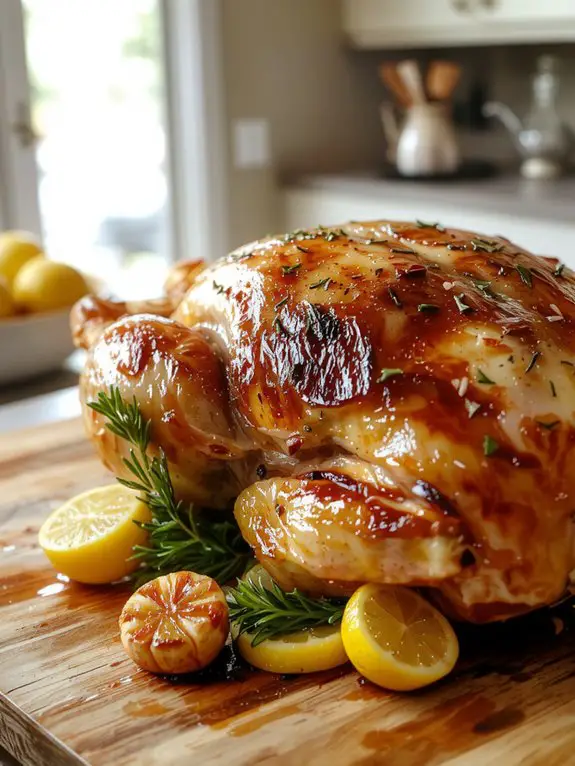
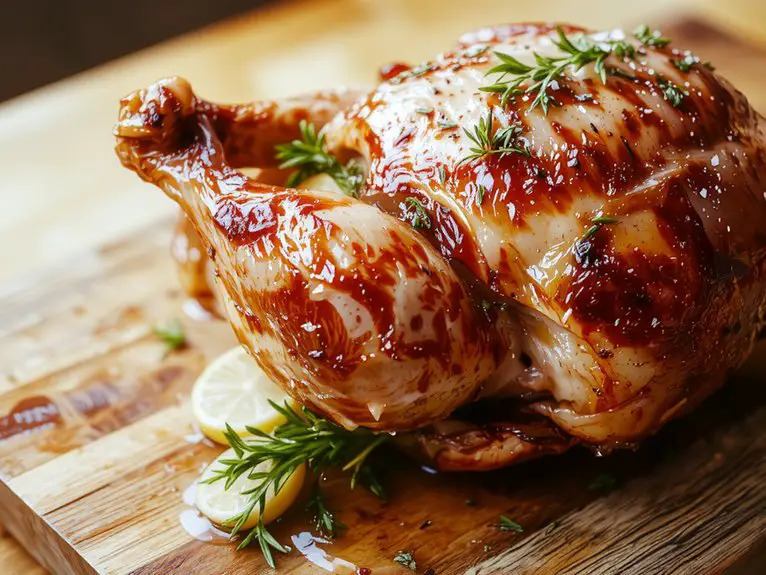
This chicken recipe is the absolute *best* I’ve ever made—hands down. It’s juicy, flavorful, and so easy to whip up that you’ll wonder why you ever settled for bland, dry chicken before.
The secret? A simple marinade of garlic, lemon, and herbs that infuses every bite with bright, savory goodness. I’ve made this dish countless times—for weeknight dinners, potlucks, even special occasions—and it never fails to impress.
Imagine tender, golden-brown chicken with a crispy exterior, bursting with zesty, aromatic flavors that dance on your tongue. Whether you’re a seasoned cook or just starting out, this recipe is foolproof and totally worth adding to your go-to rotation.
Trust me, once you try it, you’ll never look back.
Ingredients
When it comes to making the perfect homemade chicken dish, the ingredients you choose can make or break the flavor. Fresh, high-quality components are key, but don’t worry—there’s room for flexibility if you’re missing something. Here’s what you’ll need to create a chicken recipe that’s juicy, flavorful, and downright irresistible:
- Chicken (bone-in, skin-on): Opt for thighs or drumsticks for maximum juiciness—the skin crisps up beautifully. Sub breasts if you prefer, but reduce cooking time slightly to avoid dryness.
- Olive oil or butter: Olive oil adds richness, but butter brings a decadent caramelized flavor. Use what you have on hand.
- Garlic (fresh cloves): A must-have for depth of flavor. Powder can work in a pinch, but fresh is unbeatable.
- Paprika (smoked or sweet): This adds warmth and a hint of smokiness. Smoked paprika elevates the dish, but sweet works too.
- Salt & black pepper: Essential for seasoning. Kosher salt is ideal for even distribution.
- Fresh herbs (rosemary, thyme, or parsley): Rosemary and thyme add earthy tones, while parsley brightens it up. Dried herbs can substitute, but use half the amount.
- Lemon (juice and zest): Fresh lemon zest brings a zesty punch—don’t skip it! Juice adds acidity to balance richness.
- Optional: Honey or balsamic glaze for a touch of sweetness, or red pepper flakes for a spicy kick.
Pro tip: Pat the chicken dry before seasoning—this guarantees it browns perfectly instead of steaming. Fresh herbs might seem extra, but they’re the secret to elevating your dish from good to gourmet.
How to Make the Best Classic Roast Chicken Recipe
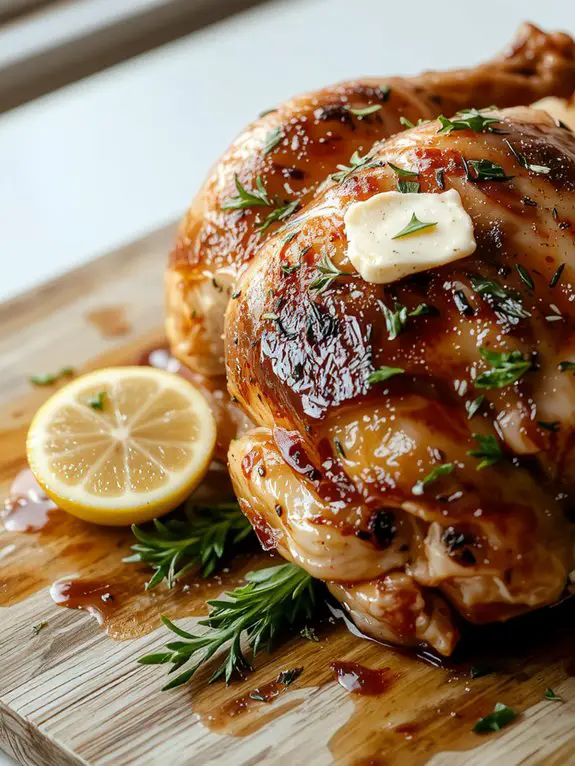
6. Roast for 20 minutes per pound (450g), plus 15 extra minutes – Check doneness with a meat thermometer (165°F/74°C at the thickest part).
Juices should run clear.
7. Let rest for 15 minutes before carving – Allows juices to redistribute for tender meat.
Cover loosely with foil to keep warm.
8. Carve and serve – Slice against the grain for maximum tenderness.
Save the carcass for stock if you’re thrifty!
Pro Tips:
- Rub butter under the skin for extra flavor and crispiness.
- Add herbs (thyme, rosemary) or lemon halves to the cavity for aromatic depth.
- Baste halfway through roasting for richer color (optional—opens the oven door, so timing matters).
Watch Out:
- Overcrowding the pan traps steam, leading to soggy skin.
- Cutting too soon loses juices—resist the urge!
- Trust the thermometer over time; oven temps vary.
Nutrition
Chicken is a great source of protein and essential nutrients. Here’s the nutritional breakdown per serving:
| Nutrient | Amount per Serving |
|---|---|
| Calories | 250 kcal |
| Protein | 30 g |
| Fat | 12 g |
| Carbohydrates | 3 g |
| Fiber | 1 g |
| Sodium | 400 mg |
Chef Tips
To make this chicken recipe shine, I always recommend brining the meat beforehand—it’s a game-changer for flavor and juiciness.
Pat the chicken dry before seasoning to guarantee a crispier skin.
Use an instant-read thermometer to avoid overcooking; aim for 165°F.
Let it rest for 10 minutes after cooking to lock in moisture.
Finally, experiment with herbs and spices—they’re key to elevating the dish.
Frequently Asked Questions
Can I Use Frozen Chicken for This Recipe?
Yes, I can use frozen chicken for the recipe, but I’ll need to properly thaw it first to guarantee even cooking. I prefer defrosting it in the fridge overnight for safety and better texture. Pat it dry before cooking.
How Do I Store Leftover Roast Chicken?
I store leftover roast chicken in an airtight container in the fridge for up to 3 days or freeze it for up to 3 months to keep it fresh and safe to eat later.
Can I Substitute Butter With Oil?
Yes, I can substitute butter with oil—it’ll work fine, but the flavor and texture might change. I’d use a neutral oil like canola for roasting or olive oil if I want a richer taste. Just adjust the amount.
What Sides Pair Best With Roast Chicken?
I’d pair roast chicken with roasted veggies like carrots or Brussels sprouts, creamy mashed potatoes, or a fresh green salad. Sometimes I add buttered cornbread or a tangy coleslaw for extra flavor and texture.
How Do I Know if the Chicken Is Fully Cooked?
I always check if the chicken’s fully cooked by using a meat thermometer; it should read 165°F in the thickest part. If I don’t have one, I cut into it – the juices should run clear.


