The Best Homemade Mimosa Recipe
Recipe
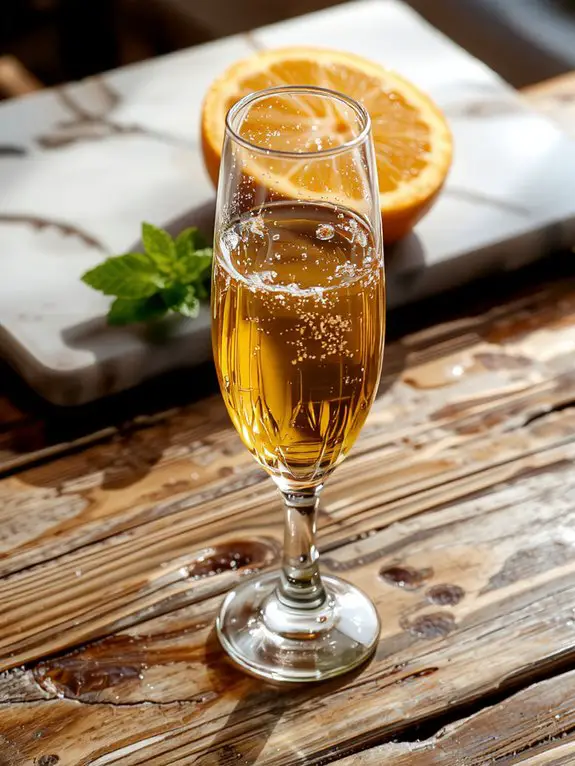
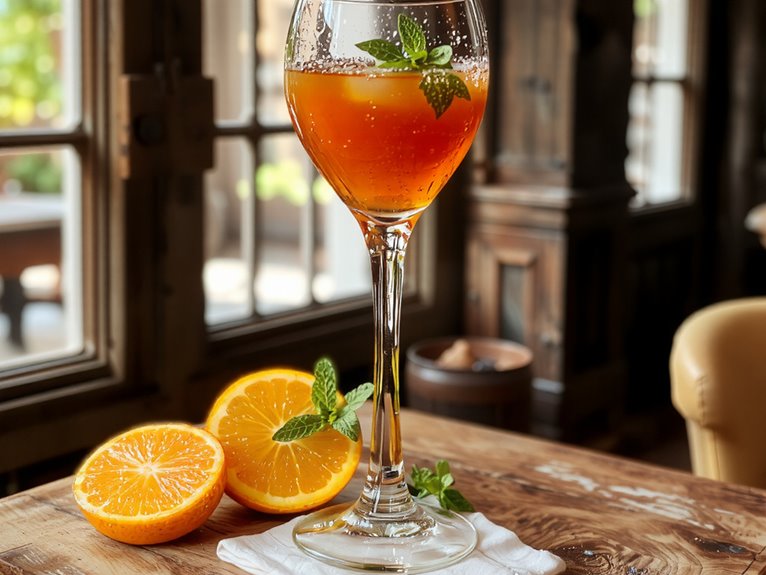
If there’s one drink that screams “celebratory morning,” it’s a mimosa—and trust me, the homemade version beats anything you’ll get at a brunch spot.
Made with just two simple ingredients—freshly squeezed orange juice and chilled champagne—this cocktail is effortless yet feels luxe every single time.
I’ve been making mimosas for years (hello, holiday brunches and lazy Sundays), and the secret lies in balancing the sweetness of the juice with the crisp, bubbly bite of champagne.
The result? An invigorating, bubbly sip that’s bright, slightly tangy, and downright irresistible.
Whether you’re hosting a crowd or treating yourself to a solo brunch, this recipe is foolproof and guaranteed to elevate your morning.
Let’s make it!
Ingredients
The secret to a perfect mimosa lies in the quality of your ingredients—freshness matters, and the right balance makes all the difference. Here’s what you’ll need to craft this brunch classic like a pro:
Champagne or Sparkling Wine
- Opt for dry brut or extra brut (avoid sweet varieties—they’ll make your mimosa cloying).
- Swap: Prosecco or cava work beautifully if Champagne isn’t handy.
Fresh Orange Juice
- Squeeze it yourself for the brightest flavor (store-bought works, but check for no pulp or added sugar).
- Pro tip: Blood oranges add a stunning color and subtle berry note.
Optional Upgrades
- Grand Marnier or Cointreau (1/2 oz per glass) for a deeper citrus kick.
- Frozen berries (a few per glass) to keep it chilled without diluting.
Non-Negotiable
– Chilled glasses—pop them in the freezer for 10 minutes to keep bubbles lively.
Little Wins
– Garnish with an orange twist or edible flowers for instant elegance.
How to Make the Best Original Mimosa Recipe Title
Pro Tips:
- Use dry prosecco or brut champagne for balance—sweet sparkling wines can make the drink cloying.
- For a fancy twist, swap half the OJ with blood orange or grapefruit juice.
- No champagne? Substitute with dry sparkling cider or non-alcoholic bubbly.
Watch Out:
- Avoid warm juice or champagne—it flattens the bubbles. Everything should be fridge-cold!
- Don’t premix a large batch—mimosas are best assembled individually to maintain fizz.
Nutrition
Mimosas are a delightful cocktail that combines sparkling wine and orange juice. While invigorating, they also contain calories and nutrients worth noting.
| Nutrient | Amount Per Serving |
|---|---|
| Calories | 150 |
| Carbohydrates | 14g |
| Sugars | 12g |
| Protein | 0.5g |
| Fat | 0g |
| Sodium | 10mg |
Chef Tips
Crafting the perfect mimosa doesn’t have to be complicated—I’ve found a few tricks that make it even better.
Always chill your champagne and juice beforehand for peak freshness.
Use a high-quality orange juice or freshly squeezed for a vibrant flavor.
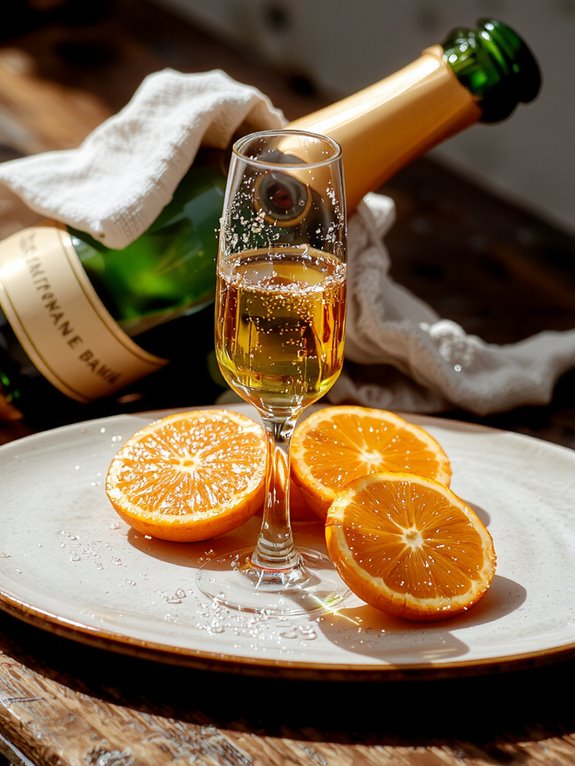
Pour champagne first, then add juice to prevent overflowing.
A splash of grenadine or triple sec can elevate the taste.
Experiment with ratios until you find your ideal balance.
Cheers!
Frequently Asked Questions
What Is the Best Type of Champagne to Use?
I’d go for a dry brut champagne or prosecco since they’re crisp and not too sweet, balancing the orange juice perfectly. Avoid anything overly expensive—it’s mixed anyway, so a mid-range bottle works best for me.
Can I Make Mimosas in Advance?
I wouldn’t recommend making mimosas in advance because the champagne will lose its fizz. Instead, I’d prepare the orange juice and chill the champagne separately, then mix them right before serving for the best bubbly experience.
Are There Non-Alcoholic Versions of Mimosas?
Yes, I can make non-alcoholic mimosas! Just swap the champagne for sparkling water or ginger ale and mix it with orange juice. It’s still bubbly and invigorating, just without the alcohol. I love this version too.
What Are Some Creative Garnish Ideas?
I’d suggest using skewers of fresh berries, edible flowers, or citrus twists for garnish. Try a sprig of rosemary or mint for aroma, or rim the glass with sugar and zest for a festive touch.
Can I Use Sparkling Water Instead of Champagne?
You can use sparkling water, but it won’t taste the same—you’ll miss the champagne’s sweetness and depth. If you’re avoiding alcohol, try a non-alcoholic sparkling wine instead for a closer match to the real thing.


