The Best Homemade Meringue Recipe
Recipe
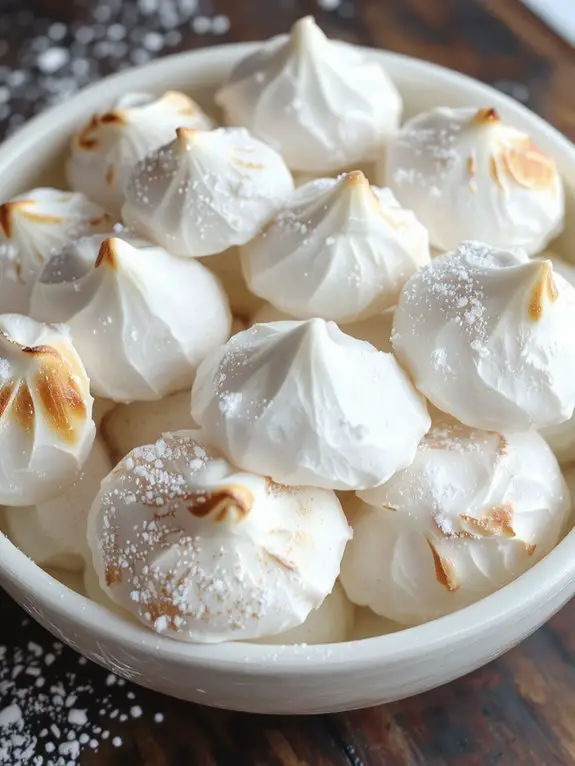
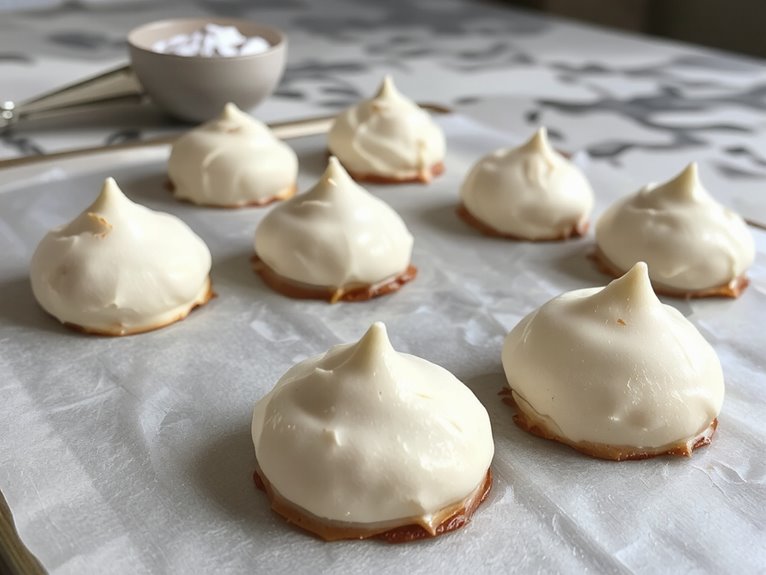
There’s something magical about homemade meringue—crisp on the outside, marshmallowy-soft inside, and so light it practically melts on your tongue.
This recipe is my go-to for foolproof meringues every single time, whether I’m topping a pie, making delicate cookies, or just craving a sweet, airy treat.
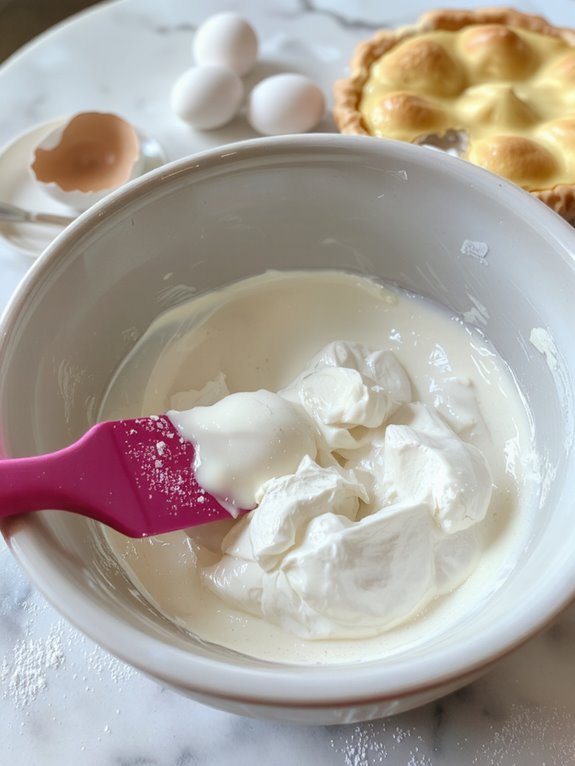
The secret? A pinch of cream of tartar for stability and a slow, patient whip to glossy peaks that hold their shape like a dream.
One bite of these cloud-like bites, and you’ll never go back to store-bought. Trust me, once you master this technique (and you will!), you’ll want to put meringue on everything.
Let’s get whisking!
Ingredients
When making meringue, the simplicity of the ingredients is key, but the quality and technique make all the difference. Egg whites are the star, and their freshness guarantees stability, while superfine sugar dissolves quickly for that perfect glossy finish. A pinch of cream of tartar or vinegar helps stabilize the peaks, but it’s optional if you’re confident in your whipping skills.
Here’s what you’ll need:
- Egg whites (4 large, at room temperature): Fresh, room-temperature eggs whip up better and hold their shape. Avoid even a speck of yolk—it can ruin the structure.
- Superfine sugar (1 cup): Dissolves faster than granulated sugar, giving a smooth texture. If you don’t have it, pulse regular sugar in a blender until fine.
- Cream of tartar (½ tsp): Stabilizes the meringue for stiffer peaks. Swap with white vinegar or lemon juice if needed.
- Optional: Vanilla extract (½ tsp): Adds a subtle flavor without affecting the texture. Use clear vanilla for pure white meringues.
Pro tip: For extra stability, especially in humid weather, add a pinch of cornstarch to the sugar. And always use clean, grease-free bowls and whisks—any residue can prevent the egg whites from whipping properly.
How to Make the Best Perfect Meringue Technique
- Pipe or spoon onto the baking sheet – Use a piping bag for uniform shapes or a spoon for rustic dollops.
- Leave space between them—they won’t spread but need airflow to dry evenly.
- Bake for 1.5–2 hours – The meringues should feel crisp and lift easily off the parchment.
- If they’re sticky, bake longer.
- Turn off the oven and let them cool inside to prevent cracking.
- Store airtight – Humidity is the enemy!
- Keep in a sealed container at room temperature for up to 2 weeks.
- For extra crunch, reheat in a 200°F (95°C) oven for 10 minutes before serving.
Pro Tips:
- Use superfine sugar for quicker dissolving.
- Avoid making meringues on humid days—they’ll absorb moisture and soften.
- Add vanilla or citrus zest after whipping for flavor without deflating the mix.
Watch Out:
- Don’t open the oven door early—temperature drops can cause cracks.
- Skip plastic bowls for whipping; they can retain grease and hinder volume.
Nutrition
2 lines intro:
Meringue is a light and airy dessert made primarily from egg whites and sugar. Below is the nutritional breakdown per serving.
| Nutrient | Amount per serving |
|---|---|
| Calories | 30 |
| Total Fat | 0g |
| Cholesterol | 0mg |
| Sodium | 10mg |
| Total Carbs | 7g |
| Sugars | 7g |
| Protein | 1g |
Chef Tips
Even though meringue seems simple, there are a few tricks I use to guarantee it turns out perfectly every time. I always make sure my bowl and whisk are spotless, as any grease can ruin the peaks.
I add a pinch of cream of tartar for stability and gradually incorporate sugar to avoid graininess.
Baking at a low temperature makes certain it dries evenly without browning.
Frequently Asked Questions
Can Meringue Be Frozen for Later Use?
You can freeze meringue, but it might lose some crispness. I’d recommend baking it first, then storing in an airtight container. Thaw at room temperature when ready to use—just don’t expect it to stay perfectly crunchy.
How Long Does Homemade Meringue Last?
Homemade meringue lasts about 2-3 days if I keep it at room temperature in an airtight container. Refrigerating it helps extend its freshness to a week, but I notice it loses some crispness over time.
Can I Make Meringue Without Cream of Tartar?
Yes, you can make meringue without cream of tartar—I’ve done it many times. Just whip your egg whites slowly at first, then increase speed until stiff peaks form. A pinch of salt or lemon juice helps stabilize them too.
Why Does My Meringue Collapse After Baking?
Your meringue might collapse if I overmix the egg whites, underbake it, or introduce fat or grease into the mix. I need to make sure my bowl and tools are clean, and I bake it long enough to set.
Can I Use a Hand Mixer Instead of a Stand Mixer?
Yes, I can use a hand mixer instead of a stand mixer. It’ll take a bit more effort, but I just need to beat the egg whites slowly at first, then increase speed until stiff peaks form.