The Best Homemade Italian Seasoning Recipe
Recipe
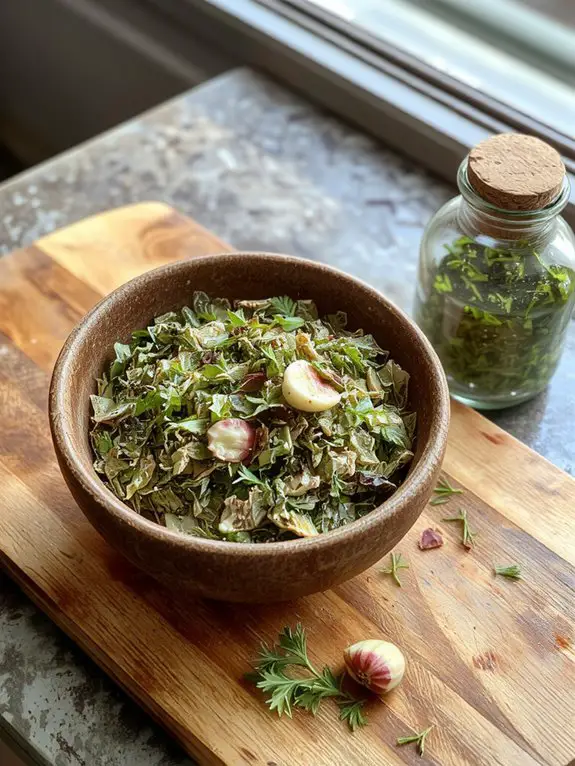
Nothing beats the aroma of a kitchen filled with the warm, earthy scent of Italian herbs—except maybe knowing you whipped up that magic yourself. Store-bought Italian seasoning? Forget it. Once you try this homemade blend, you’ll never go back.
It’s brighter, bolder, and packed with layers of flavor that pre-mixed jars just can’t match. I’ve been making this for years—sprinkling it over pizzas, stirring it into sauces, even rubbing it on roasted veggies—and it never fails to impress.
The secret? A simple mix of dried herbs like oregano, basil, and rosemary, balanced with just the right punch of garlic and red pepper flakes. One whiff of this stuff, and you’ll swear you’re in a rustic Tuscan trattoria.
Best part? It takes minutes to toss together, and you probably already have everything in your pantry. Let’s make your dishes taste like they’ve been kissed by the Mediterranean sun.
Ingredients
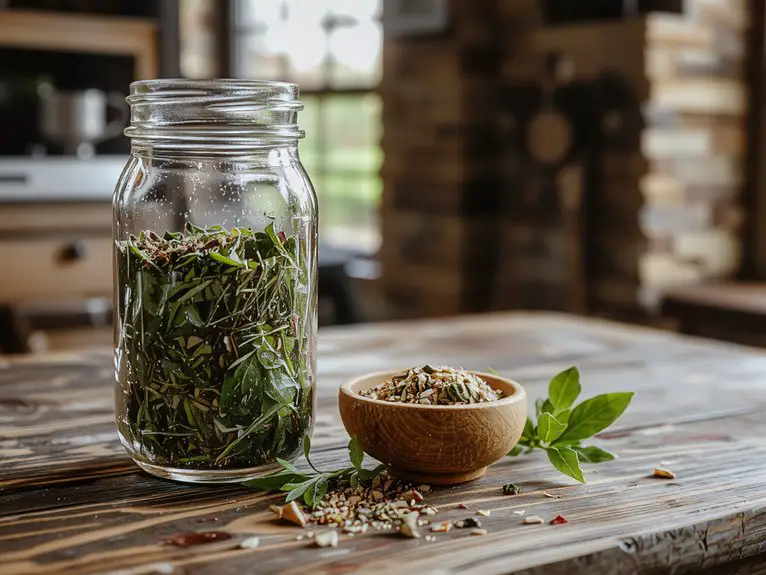
Creating a standout homemade Italian seasoning is all about balancing bold flavors that capture the essence of Italy. The key is using high-quality, dried herbs—fresh ones won’t work here because they lack the concentrated punch needed. Always opt for whole herbs and grind them yourself for the freshest flavor. Ready to get started? Here’s what you’ll need:
- Oregano: The backbone of Italian seasoning. Use Mediterranean oregano for its earthy, robust flavor—don’t skimp here.
- Basil: Adds a sweet, slightly peppery note. Stick with dried basil for consistency.
- Thyme: Brings a subtle, herby depth. Fresh thyme can substitute if you double the quantity.
- Rosemary: Offers a piney, aromatic kick. Crush the needles finely to avoid overpowering the mix.
- Marjoram: A milder cousin to oregano, it rounds out the blend with a floral touch—skip if unavailable.
- Garlic Powder: For a savory, umami boost. Granulated garlic works too, but it’s less smooth.
- Onion Powder: Adds a sweet, savory undertone. Rehydrated minced onion can sub in a pinch.
- Red Pepper Flakes: Optional, but a pinch adds a subtle heat that elevates the blend.
- Sea Salt: Enhances all the flavors. Use finely ground for even distribution.
Pro Tip: Store your blend in an airtight container away from light to preserve its potency. If you’re feeling adventurous, add a pinch of fennel seeds for a licorice-like twist—it’s a game-changer!
How to Make the Best Authentic Italian Seasoning Blend
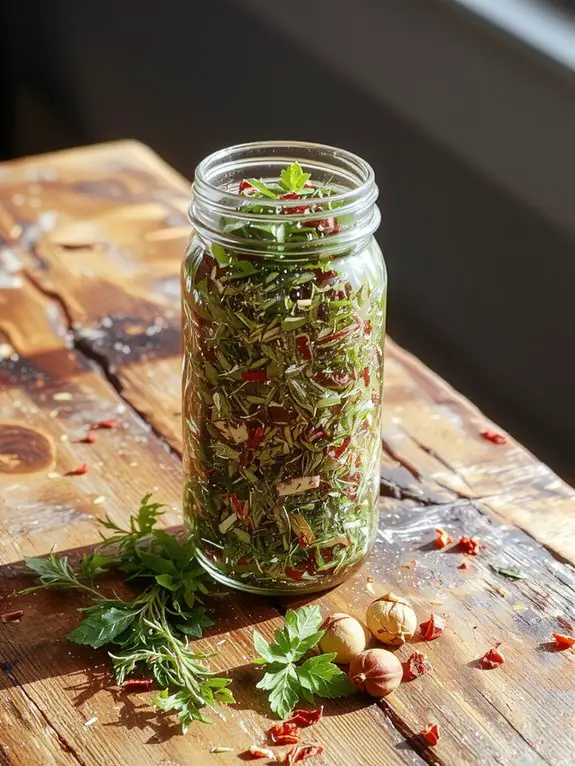
Label and date the container – Write the date on the jar to track freshness. Homemade Italian seasoning lasts up to 6 months.
Pro Tip: For a bolder flavor, toast the dried herbs in a dry skillet over low heat for 1-2 minutes before mixing. Let them cool completely first.
Watch-Out Warning: Don’t use fresh herbs unless you plan to use the seasoning immediately, as they won’t store well.
Flexibility: Adjust the ratios to suit your taste—add more oregano for a stronger earthy flavor or more basil for brightness.
Nutrition
This homemade Italian seasoning blend is low in calories and packed with flavor. Here’s the nutritional breakdown per teaspoon (2g) serving:
| Nutrient | Amount |
|---|---|
| Calories | 5 |
| Total Fat | 0.1g |
| Sodium | 1mg |
| Carbohydrates | 1g |
| Fiber | 0.6g |
| Protein | 0.2g |
Chef Tips
When you’re making this Italian seasoning blend, I recommend using fresh, high-quality dried herbs for the best flavor.
Always store it in an airtight container away from heat and light to preserve its potency.
Experiment with ratios to suit your taste—I often add extra oregano for a bolder flavor.
Don’t forget to label the container with the date, as it’s best used within six months.
Frequently Asked Questions
Can I Use Dried Herbs Instead of Fresh?
Yes, you can use dried herbs instead of fresh. I find they’re more concentrated, so I use about half the amount. Just remember they won’t have the same brightness, but they’ll still add great flavor.
How Long Does Homemade Italian Seasoning Last?
Homemade Italian seasoning lasts about six months if stored in an airtight container in a cool, dark place. I’ve found it keeps its flavor longer when I avoid moisture and keep it away from heat.
Can I Add Other Herbs Not Listed in the Recipe?
Sure, I can add other herbs if I want to customize the flavor. I’d stick to complementary ones like thyme, rosemary, or fennel seeds, but I’ll test in small amounts to balance the overall taste.
Is This Seasoning Blend Gluten-Free?
Yes, this seasoning blend is gluten-free as long as your herbs and spices aren’t cross-contaminated. I always check labels to verify no additives contain gluten, but the basic ingredients are naturally free of it.
Can I Make This Seasoning Blend Spicy?
You can definitely make it spicy—just add crushed red pepper flakes, cayenne, or chili powder to taste. I’d start with 1/2 teaspoon and adjust from there. Let me know how you like the heat!


