The Best Homemade Curry Chicken Recipe
Recipe
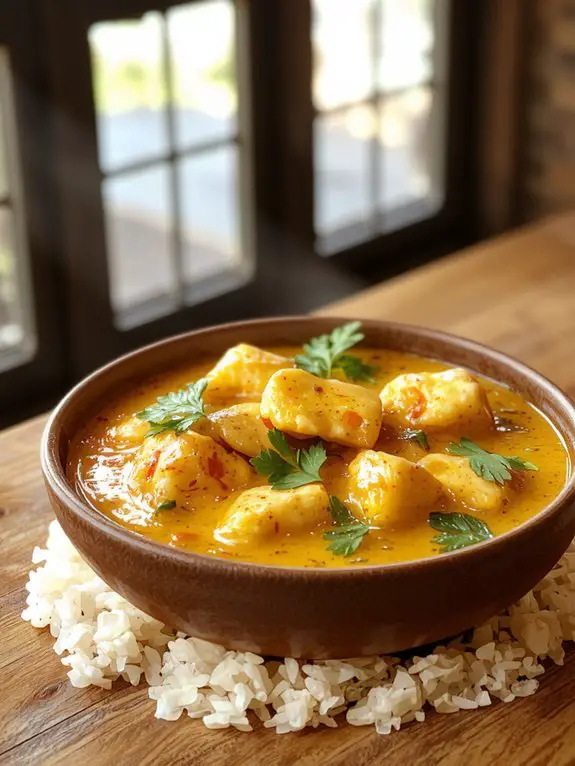
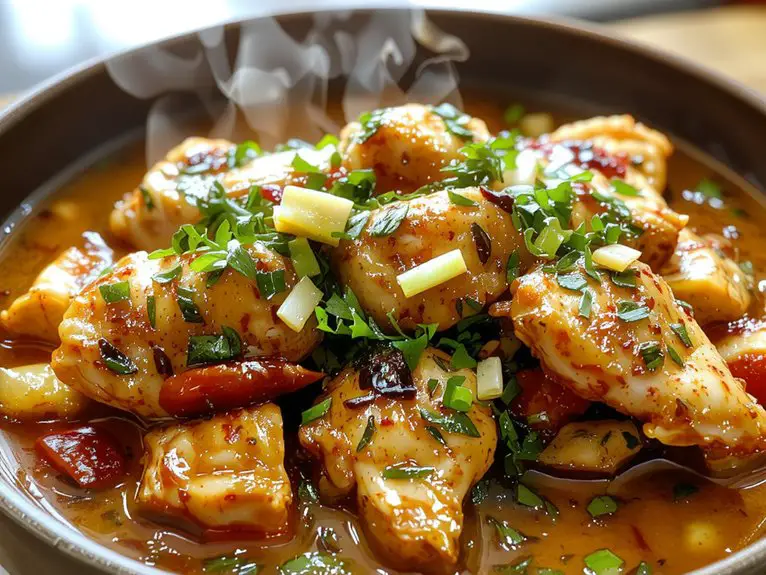
This curry chicken recipe will ruin takeout for you—I promise. It’s the kind of dish that makes your kitchen smell like heaven and hits all the right notes: fragrant, bold, and deeply comforting.
What sets it apart? The toasted spices and a splash of coconut milk that create a velvety, crave-worthy sauce clinging to tender chicken pieces. I’ve been making this for years, tweaking it until it became my go-to crowd-pleaser, whether it’s a cozy weeknight dinner or a dish I’m bringing to a potluck.
The first bite feels like a warm hug, with just the right amount of heat and a hint of sweetness that balances perfectly. Trust me, once you try this, you’ll want to keep this recipe on speed dial—it’s that good.
And don’t worry, it’s simpler to make than you’d think. Let’s get cooking!
Ingredients
The secret to an unforgettable curry chicken lies in the balance of spices and fresh ingredients—each one builds layers of flavor that make this dish sing. Don’t skip the whole spices; toasting them reveals their depth, and fresh aromatics like ginger and garlic are non-negotiable for that punchy, authentic taste.
Here’s what you’ll need:
- Chicken (bone-in, skin-on thighs or drumsticks) – The bones add richness to the sauce, and the skin crisps up beautifully. Swap for boneless thighs if preferred, but avoid breast meat—it dries out too easily.
- Whole spices (cumin seeds, coriander seeds, cardamom pods, cinnamon stick) – Toast these lightly before grinding for maximum aroma. Pre-ground spices work in a pinch, but they lose potency fast.
- Fresh aromatics (garlic, ginger, onion) – Grate or finely chop these to form the flavor base. Powdered versions just won’t deliver the same brightness.
- Tomatoes (fresh or canned) – Fresh ripe tomatoes add sweetness, but canned crushed tomatoes are a reliable backup.
- Coconut milk (full-fat) – Lite coconut milk can be used, but the sauce won’t be as luxuriously creamy.
- Fresh cilantro and lime – A must for garnish—the herbs and acidity cut through the richness.
- Oil (neutral like vegetable or coconut) – Helps bloom the spices evenly. Ghee adds extra richness if you’re feeling indulgent.
Pro tip: For extra depth, marinate the chicken in yogurt and half the spices overnight—it tenderizes the meat and infuses flavor. And if you love heat, toss in a chopped green chili or a pinch of cayenne with the aromatics.
How to Make the Best Jamaican Curry Chicken Recipe
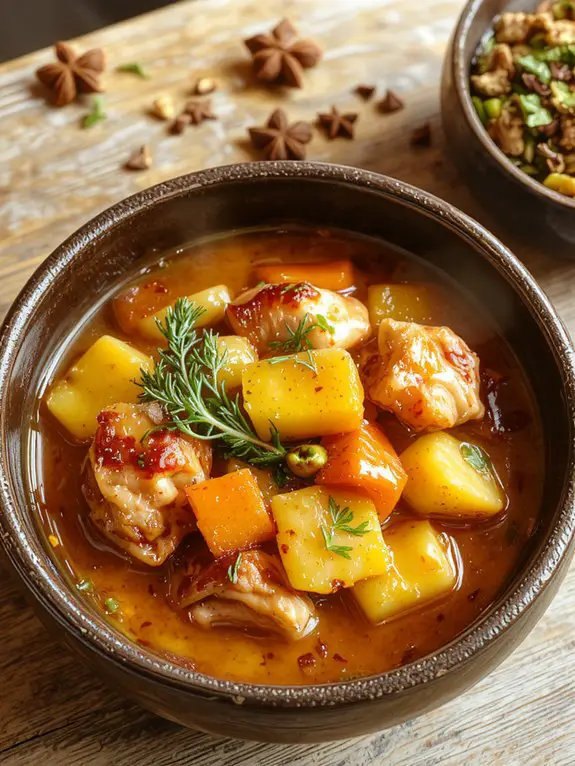
Prepare the chicken: Cut the chicken into pieces and pat them dry with paper towels. This helps the spices adhere better and guarantees even browning.
Season the chicken: Generously Season the chicken with curry powder, salt, black pepper, and thyme. Let it marinate for at least 30 minutes—or overnight in the fridge—for maximum flavor.
Heat the oil: In a large pot or Dutch oven, heat oil over medium heat. Brown the chicken pieces in batches to avoid overcrowding, which helps achieve a crispy exterior. Remove the chicken and set it aside.
Sauté the aromatics**: In the same pot, add chopped onions, garlic, ginger, and Scotch bonnet pepper. Sauté until soft and fragrant, scraping up any browned bits** from the chicken. These bits add depth to the flavor.
Build the curry base: Stir in additional curry powder and cook for a minute to toast the spices, enhancing their aroma.
Add chopped tomatoes and cook until they break down into a thick sauce.
Simmer the chicken: Return the chicken to the pot and add enough water or chicken stock to just cover the meat. Bring to a boil, then reduce the heat to low and simmer for 30-40 minutes, or until the chicken is tender and the sauce has thickened.
Finish with fresh herbs****: Stir in chopped scallions and thyme sprigs just before serving for a burst of freshness.
Serve and enjoy: Pair with rice, roti, or your favorite side. The curry’s rich, spicy flavor is even better the next day as the ingredients meld further.
Nutrition
This homemade curry chicken recipe provides a flavorful and nutritious meal. Below is the nutritional breakdown per serving.
| Nutrient | Amount |
|---|---|
| Calories | 350 kcal |
| Protein | 28 g |
| Carbohydrates | 15 g |
| Fat | 18 g |
| Fiber | 3 g |
| Sugar | 5 g |
| Sodium | 600 mg |
Chef Tips
Even though curry chicken seems simple, I’ve picked up a few tricks over the years that’ll take yours from good to unforgettable.
Toast your spices briefly to release their full aroma. Use coconut milk for creaminess but don’t skimp on browning the chicken first—it adds depth.
Finish with fresh herbs like cilantro for brightness. Let it simmer longer for richer flavors. Balance heat with a touch of sweetness or acidity.
Frequently Asked Questions
Can I Use Frozen Chicken for This Recipe?
Yes, I can use frozen chicken for this recipe, but I’ll thaw it completely first. Cooking it directly from frozen could lead to uneven cooking and affect the texture. Thawing guarantees it cooks evenly and absorbs the flavors.
What Type of Curry Powder Works Best?
I’d use a medium or hot Madras curry powder for depth and spice, but if I prefer milder flavors, I’d go with a mild yellow curry powder. It’s all about balancing heat and flavor to my taste.
Can I Substitute Coconut Milk for the Broth?
I’d say you can swap coconut milk for broth—it’ll make the curry richer and creamier. Just keep in mind it’ll taste sweeter, so adjust the spices if you want to balance the flavors.
How Long Can I Store Leftovers in the Fridge?
I’d store leftovers in the fridge for up to 3-4 days. Make sure they’re in an airtight container to keep them fresh. If I need longer storage, I’d freeze them for up to 3 months.
Is This Recipe Suitable for a Gluten-Free Diet?
Yes, this recipe can be gluten-free if you use gluten-free ingredients. I’d check the curry powder and broth labels to verify they’re certified gluten-free. Just swap regular soy sauce for a gluten-free version if that’s included.


