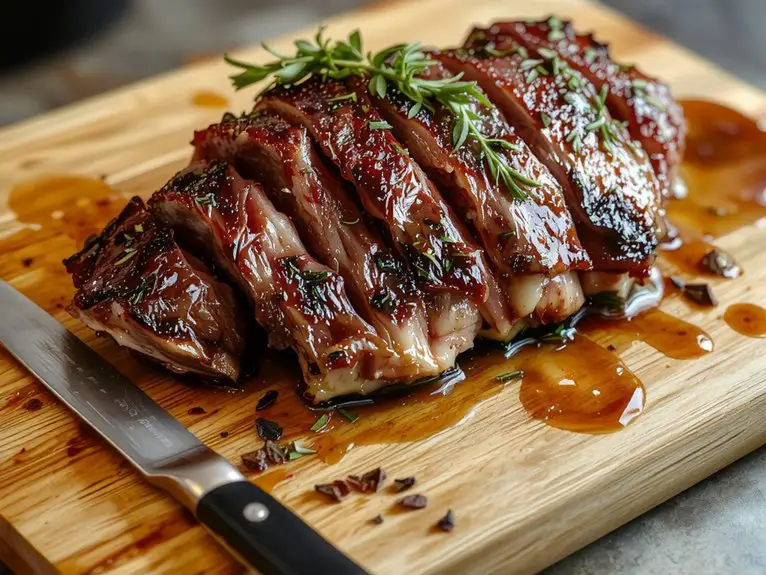
The Best Homemade Bulgogi Recipe
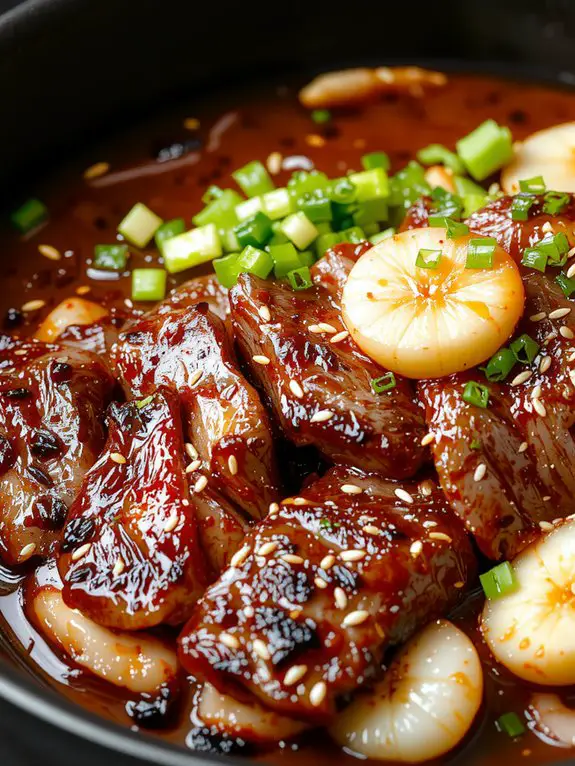
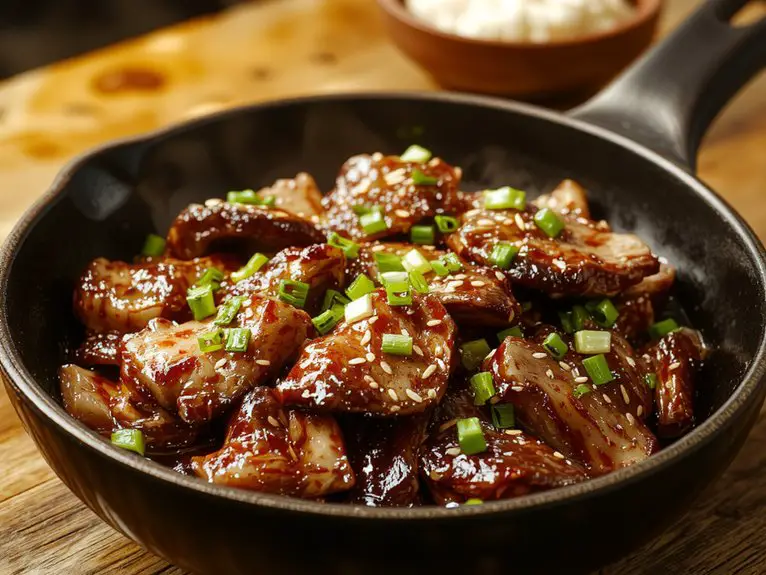
Recipe
If there’s one dish that’ll make you feel like a Korean BBQ master in your own kitchen, it’s this homemade Bulgogi. Seriously, this recipe is a game-changer—it’s sweet, savory, and packed with smoky charred edges that’ll have you reaching for seconds (and thirds!).
The secret? A marinade that’s equal parts umami-rich soy sauce, tenderizing pear, and a hint of garlicky-sweet magic. It’s the kind of dish that’s perfect for weeknight dinners but fancy enough to impress guests.
When you take that first bite of juicy, caramelized beef nestled in a lettuce wrap or piled onto steaming rice, you’ll wonder why you ever ordered takeout. Trust me, once you try this, you’ll be making it on repeat—it’s that good. Let’s get cooking!
Ingredients
The secret to authentic bulgogi lies in the balance of sweet, savory, and umami flavors—so choosing the right ingredients is key. While some swaps work in a pinch, a few essentials (like pear and gochujang) are non-negotiable for that signature depth. Here’s what you’ll need:
For the Marinade:
- 1 Asian pear (or Bosc pear) – The natural enzymes tenderize the meat, and the sweetness caramelizes beautifully. *No pear? A kiwi or 1 tbsp honey + 1 tbsp pineapple juice works, but the texture won’t be as silky.*
- ¼ cup soy sauce – Use *low-sodium* to control saltiness. *Tamari for gluten-free.*
- 2 tbsp brown sugar – Balances the saltiness. *Swap with maple syrup if needed, but reduce by 1 tbsp.*
- 1 tbsp gochujang (Korean chili paste) – Adds a subtle kick and complexity. *Don’t skip—this is what sets bulgogi apart from generic stir-fries.*
- 1 tbsp toasted sesame oil – The nutty aroma is irreplaceable. *No substitutes here.*
- 3 garlic cloves, minced – Fresh is best; pre-minced lacks punch.
- 1-inch ginger, grated – Brightens the marinade. *Powdered ginger (½ tsp) in a pinch, but fresh is ideal.*
For the Meat & Veggies:
- 1.5 lbs ribeye or sirloin – *Thinly sliced against the grain* (freeze for 30 mins first to make slicing easier). *Chicken thighs work, but beef is traditional.*
- 1 onion, thinly sliced – Sweetens as it cooks.
- 2 green onions, chopped – For freshness. *Swap with chives if desperate.*
- 1 tbsp neutral oil (like grapeseed) – For high-heat cooking. *Avoid olive oil—it burns.*
Optional but Worth It:
- 1 tbsp mirin – Adds a subtle sweetness. *Dry sherry or a pinch of sugar works.*
- Sesame seeds + extra green onions – For garnish and crunch.
- Gochugaru (Korean chili flakes) – For heat lovers. *Crushed red pepper flakes in a pinch.*
*Pro Tip: Double the marinade and reserve half to glaze the meat while cooking—it amps up the flavor.*
How to Make the Best Authentic Korean Bulgogi Recipe
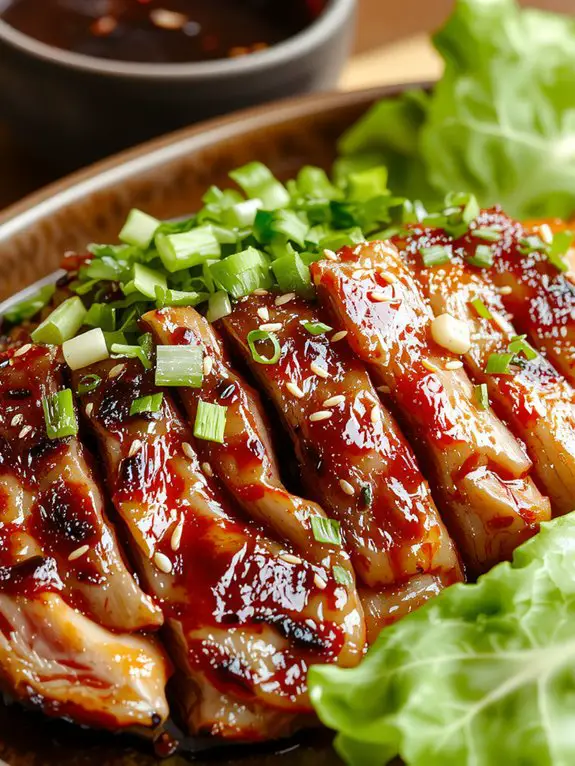
– Garnish and serve immediately – Sprinkle with sesame seeds and sliced green onions. Serve with steamed rice and lettuce wraps for an authentic experience.
Pro Tip: For extra tenderness, add a splash of soda (like Sprite) to the marinade—the carbonation breaks down fibers.
Watch Out: Don’t skip the marinating time—it’s key for flavor and texture.
If using a grill, pat the beef dry slightly to avoid flare-ups.
Nutrition
This homemade bulgogi recipe is packed with flavor and nutrients. Here’s the nutritional breakdown per serving.
| Nutrient | Amount per Serving |
|---|---|
| Calories | 320 kcal |
| Protein | 25g |
| Carbohydrates | 15g |
| Fat | 18g |
| Fiber | 2g |
| Sugar | 10g |
| Sodium | 800mg |
Chef Tips
Though making bulgogi at home might seem intimidating, I’ve found a few tricks that’ll help you nail it every time.
First, freeze the beef slightly before slicing—it’s easier to get paper-thin cuts.
Marinate overnight for maximum flavor.
Cook on high heat quickly to keep it tender.
Don’t overcrowd the pan; sear in batches.
Finally, garnish with sesame seeds and scallions for that perfect finish. Enjoy!
Frequently Asked Questions
Can I Use Chicken Instead of Beef for Bulgogi?
Yes, I can use chicken instead of beef for bulgogi. Chicken bulgogi’s just as tasty if I marinate the chicken in soy sauce, garlic, sugar, and sesame oil. It cooks quicker, so I’ll watch it carefully.
Is Bulgogi Gluten-Free?
Bulgogi isn’t always gluten-free since it often uses soy sauce, which contains gluten. I’d recommend swapping it for tamari or a certified gluten-free soy sauce to make it safe if gluten’s a concern for you.
How Long Does Bulgogi Last in the Fridge?
Bulgogi lasts 3–4 days in the fridge if stored airtight. I always make sure to cool it completely before sealing it—leftovers taste just as good reheated, but I wouldn’t push past that timeframe for safety.
Can I Freeze Marinated Bulgogi?
Yes, I can freeze marinated bulgogi. Just store it in an airtight container or freezer bag, and it’ll last up to 3 months. Thaw it in the fridge before cooking for the best results.
What Side Dishes Pair Best With Bulgogi?
I love serving bulgogi with steamed rice, kimchi, and pickled radish. A fresh spinach salad or japchae (stir-fried noodles) also works well. Don’t forget ssamjang (dipping sauce) and lettuce leaves for wrapping.