The Best Homemade Lemon Cake Recipe

Recipe
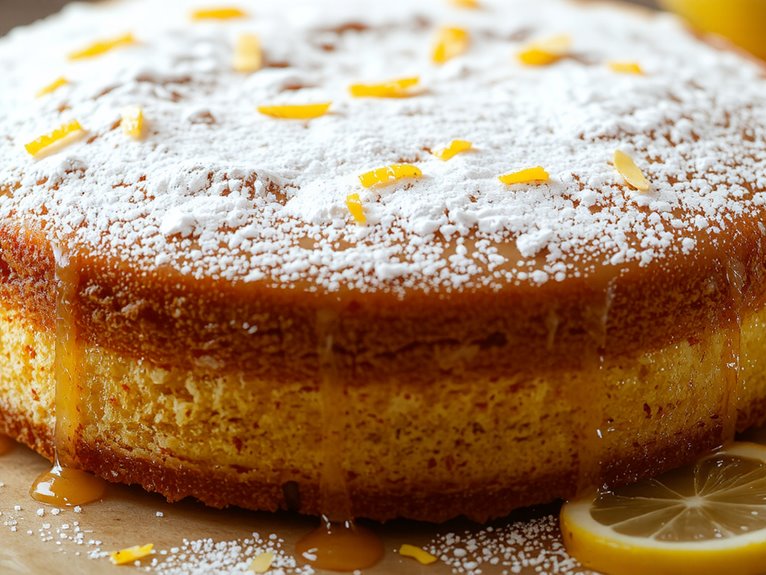
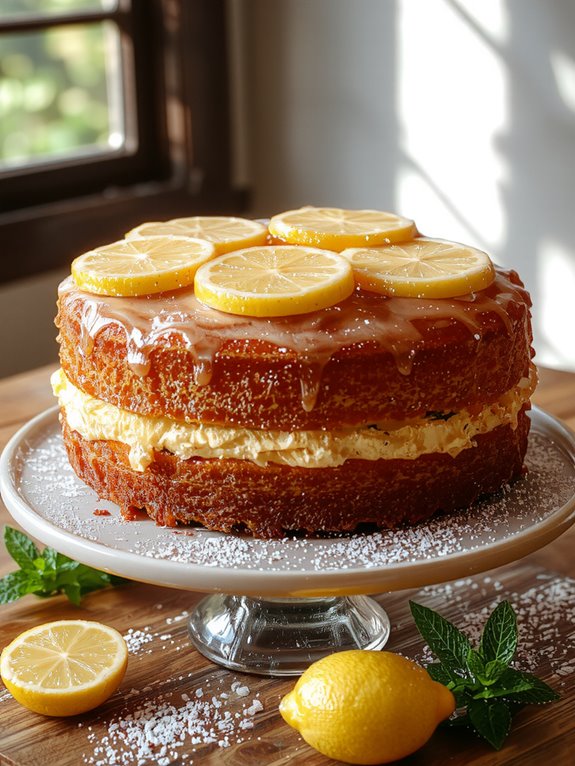
This lemon cake is a guaranteed crowd-pleaser—trust me, I’ve made it more times than I can count, and it never fails to impress. The secret? A double dose of fresh lemon juice and zest that infuses every bite with bright, zesty flavor.
It’s moist, tender, and topped with a lusciously tangy lemon glaze that strikes the perfect balance between sweet and tart. Whether you’re baking for a special occasion or just craving a slice of sunshine, this recipe is foolproof and comes together with simple ingredients you likely already have on hand.
One taste, and you’ll see why it’s my go-to dessert—it’s the kind of cake that makes people ask for seconds (and the recipe).
Ingredients
This lemon cake recipe relies on simple, fresh ingredients to achieve a perfect balance of tangy and sweet. A few key elements make all the difference, so don’t skimp on the essentials. Here’s what you’ll need:
For the Cake:
- All-purpose flour – The base of the cake; measure it correctly for the right texture.
- Granulated sugar – Sweetens the cake while balancing the tartness of the lemon.
- Unsalted butter – Softened to room temperature; it’s essential for a rich, tender crumb.
- Eggs – Use room temperature eggs to guarantee even mixing and a smooth batter.
- Whole milk or buttermilk – Adds moisture; buttermilk brings extra tenderness and a slight tang. *No buttermilk? Mix 1 cup whole milk with 1 tablespoon lemon juice.*
- Fresh lemon zest – A non-negotiable! It packs a punch of bright, citrusy flavor.
- Fresh lemon juice – Use freshly squeezed for the best taste; bottled can taste flat.
- Baking powder and baking soda – Both are needed for the perfect rise.
- Salt – Just a pinch to enhance all the flavors.
For the Lemon Glaze:
- Powdered sugar – Creates a smooth, creamy glaze.
- Fresh lemon juice – Adds tang and thins the glaze to the right consistency.
- Lemon zest – Optional for an extra burst of flavor and a pretty finish.
Optional Garnish:
- Extra lemon slices or zest – Adds a professional, bakery-style touch.
- Fresh berries – A handful of raspberries or blueberries pairs beautifully with the lemon.
Pro tip: For the most flavorful cake, grate the zest before juicing the lemons—it’s easier to handle when the fruit is still whole.
And always use fresh lemons; they make all the difference in achieving that vibrant, zesty taste.
How to Make the Best Exact Recipe Name Required
- Beat in 2 eggs, one at a time, followed by 1 teaspoon of vanilla extract. Adding eggs one by one guarantees they incorporate evenly into the batter.
- Gradually mix in ½ cup of milk and the zest of one lemon. Adding the milk slowly prevents the batter from curdling.
- Combine the wet and dry ingredients, mixing just until no streaks of flour remain. Overmixing can lead to a dense cake, so stop as soon as it’s combined.
- Fold in ¼ cup of freshly squeezed lemon juice. This adds a bright, tangy flavor to the cake.
- Pour the batter into the prepared pan and smooth the top with a spatula. An even surface helps the cake bake uniformly.
- Bake for 25-30 minutes, or until a toothpick inserted into the center comes out clean. Check at the 25-minute mark to avoid overbaking.
- Let the cake cool in the pan for 10 minutes, then transfer it to a wire rack to cool completely. Cooling in the pan prevents the cake from falling apart.
- Dust with powdered sugar or drizzle with a lemon glaze before serving.
For a glaze, mix 1 cup of powdered sugar with 2 tablespoons of lemon juice until smooth.
Nutrition
Lemon cake provides a balance of sweetness and tartness, offering moderate calories and nutrients per serving.
| Nutrition | Per Serving |
|---|---|
| Calories | 280 kcal |
| Carbohydrates | 42 g |
| Protein | 4 g |
| Fat | 11 g |
| Fiber | 1 g |
| Sugar | 28 g |
Chef Tips
When you’re aiming for a perfectly moist lemon cake, don’t overmix the batter—it can make the texture dense.
I always zest the lemons finely for maximum flavor without bitterness.
Use room-temperature ingredients to guarantee even mixing.
For a tangy twist, brush the warm cake with lemon syrup.
Let it cool completely before frosting to avoid melting.
These small steps make a big difference in your final result.
Frequently Asked Questions
Can I Use Bottled Lemon Juice Instead of Fresh?
Yes, I can use bottled lemon juice instead of fresh, though the flavor might not be as bright. I’d start with the same amount, then adjust to taste since bottled juice can vary in intensity.
How Do I Store Leftover Lemon Cake?
I’ll wrap leftover lemon cake tightly in plastic or foil and keep it at room temp for 2 days. If it’s longer, I’ll refrigerate it for up to 5 days or freeze slices for 3 months.
Can I Make This Cake Gluten-Free?
You can make this cake gluten-free by swapping regular flour for a gluten-free blend. I’d recommend using a 1:1 ratio to keep the texture close to the original. Just check your baking powder and other ingredients for gluten.
What Frosting Pairs Best With Lemon Cake?
I think a light cream cheese frosting works best—it’s tangy and sweet, balancing the lemon’s sharpness. If you prefer something richer, try vanilla buttercream, but keep it simple so the lemon flavor still shines through.
Can I Freeze This Cake for Later?
I can freeze this cake for later by wrapping it tightly in plastic wrap or aluminum foil to prevent freezer burn. I’d recommend thawing it in the fridge overnight before serving to keep it moist.