The Best Homemade Peanut Butter Fudge Recipe
Recipe
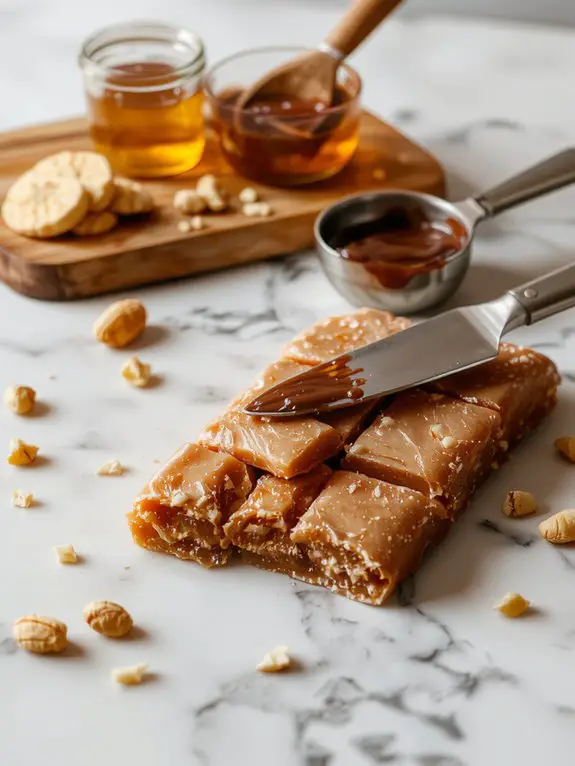
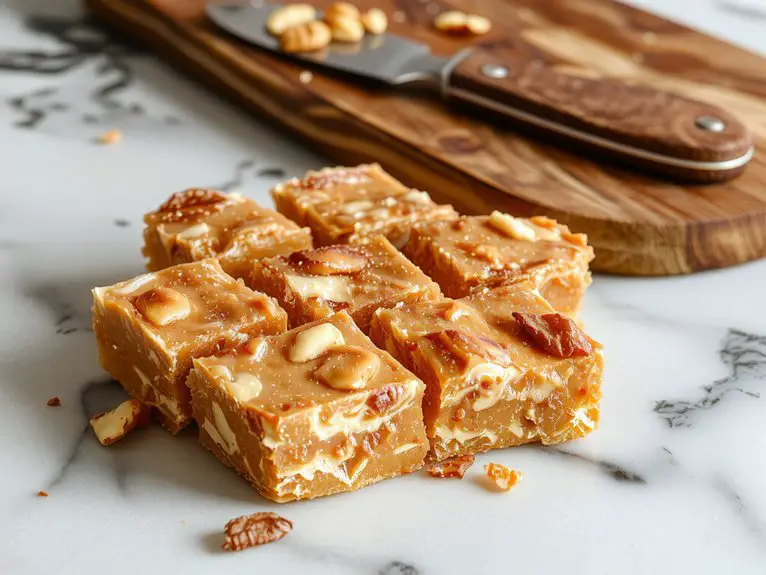
There’s something magical about homemade peanut butter fudge—it’s rich, creamy, and melts in your mouth with just the right amount of sweetness.
I’ve tested this recipe more times than I can count, and I can confidently say it’s foolproof. The secret? A generous scoop of high-quality peanut butter and a touch of vanilla to elevate the flavor.
Imagine this: velvety smooth fudge with a deep peanut butter taste, slightly crumbly yet irresistibly soft. Whether you’re making it for a holiday treat or just because, this recipe is a guaranteed crowd-pleaser.
Trust me, once you try it, store-bought fudge won’t stand a chance. Let’s get to it—your new favorite dessert is just a few steps away.
Ingredients
The secret to perfect peanut butter fudge lies in the quality and balance of ingredients—too much sugar and it’s cloying, too little peanut butter and it loses that rich, nutty depth. Here’s what you’ll need to nail the creamy, melt-in-your-mouth texture and bold flavor every time:
- Unsalted butter – *Essential* for controlling salt levels and achieving a smooth, velvety base. (Pro tip: Cold butter won’t blend well—let it soften to room temp first!)
- Creamy peanut butter – *Non-negotiable*. Skip the natural kind (it separates!) and reach for a shelf-stable brand like Jif or Skippy for the creamiest results.
- Powdered sugar – Dissolves seamlessly for a silky texture. Granulated sugar will leave your fudge grainy—don’t risk it!
- Vanilla extract – Just a splash rounds out the flavor. Pure extract beats imitation every time.
- Salt – Balances the sweetness. If you only have salted butter, reduce added salt by half.
- Marshmallow fluff – The *secret weapon* for ultra-creamy fudge. Substitutes: 1.5 cups mini marshmallows melted with 1 tsp corn syrup.
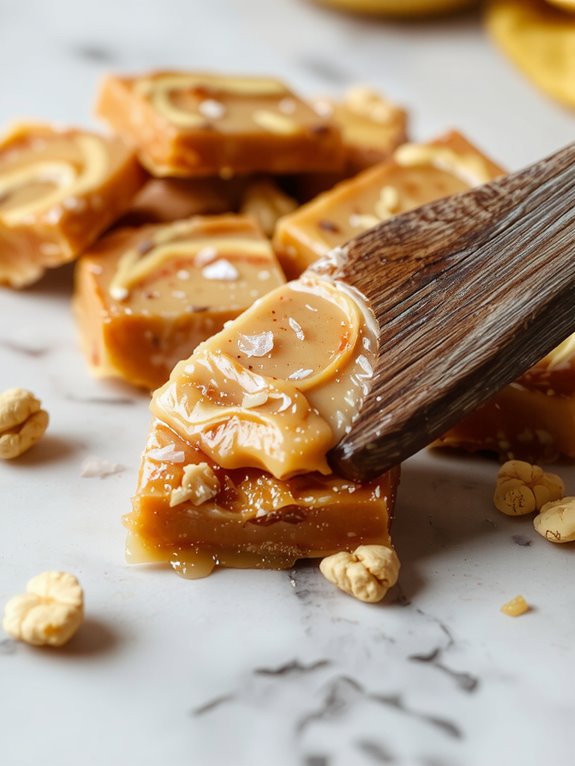
Little win: Sprinkle flaky sea salt on top before chilling for a gourmet touch.
How to Make the Best Creamy Peanut Butter Fudge
Prep the Pan
Line an 8×8-inch baking dish with parchment paper, leaving overhang on two sides for easy removal. Lightly grease the paper to prevent sticking—this guarantees clean slices later.
Combine Sugar and Milk
In a medium saucepan, whisk together 2 cups granulated sugar and ½ cup whole milk over medium heat. Stir constantly until the sugar dissolves completely (about 3–4 minutes).
Undissolved sugar can crystallize, so patience here is key.
Bring to a Boil
Once dissolved, stop stirring and let the mixture reach a rolling boil. Attach a candy thermometer and cook until it hits 235°F (soft-ball stage)—this usually takes 10–12 minutes.
*Pro tip:* Avoid scraping the sides of the pan to prevent graininess.
Off-Heat Additions
Remove the pan from heat and immediately stir in 1 cup creamy peanut butter, 1 tsp vanilla extract, and a pinch of salt. The residual heat will melt the peanut butter smoothly.
*Watch out:* Adding these too early can cause separation.
Beat Until Thickened
Let the mixture cool slightly (2–3 minutes), then beat vigorously with a wooden spoon for 1–2 minutes until it loses its gloss and thickens.
*Visual cue:* It should hold its shape when dropped from the spoon. Overbeating makes it crumbly.
Transfer and Chill
Pour into the prepared pan, smoothing the top with a spatula. Refrigerate for at least 2 hours until firm.
For cleaner cuts, warm your knife under hot water before slicing.
Storage Flexibility
Keep fudge airtight at room temp for up to a week or freeze for 3 months.
Layer with parchment between slices to prevent sticking.
Nutrition
Creamy peanut butter fudge made with simple ingredients. Rich in flavor and easy to prepare.
| Nutrition | Per Serving (1 piece) |
|---|---|
| Calories | 150 |
| Total Fat | 8g |
| Saturated Fat | 3g |
| Cholesterol | 5mg |
| Sodium | 80mg |
| Total Carbs | 18g |
| Dietary Fiber | 1g |
| Sugars | 16g |
| Protein | 3g |
Chef Tips
When making peanut butter fudge, I always recommend using a heavy-bottomed saucepan to prevent scorching, since the mixture heats quickly. Stir constantly to guarantee even cooking.
Use a candy thermometer for accuracy—soft-ball stage (235°F) is key. Let the fudge cool slightly before adding peanut butter to avoid separation.
Line your pan with parchment for easy removal. Chill before cutting for clean slices. Store airtight to maintain freshness.
Frequently Asked Questions
Can I Use Natural Peanut Butter for This Recipe?
I’d recommend creamy commercial peanut butter for best results since natural peanut butter can separate and make the fudge oily. If you use natural, stir it well first and expect a slightly different texture.
How Long Does Homemade Peanut Butter Fudge Last?
I’d store homemade peanut butter fudge in an airtight container at room temp for 1-2 weeks, or refrigerate it for up to 3 weeks. If I freeze it, it’ll last 2-3 months.
Can I Substitute Sugar With a Healthier Alternative?
Yes, you can substitute sugar with alternatives like honey, maple syrup, or coconut sugar, but it’ll change the texture and sweetness. I’d recommend testing small batches first since these swaps might make the fudge softer or grainier.
Why Is My Fudge Too Soft or Not Setting Properly?
I think your fudge might be too soft because you didn’t cook it to the right temperature (soft-ball stage, around 235°F). If you undercooked it or didn’t let it cool properly, it won’t set right.
Can I Add Mix-Ins Like Chocolate Chips or Nuts?
I’d definitely add mix-ins like chocolate chips or nuts—they’re perfect for extra texture and flavor. Just fold them in gently after cooking but before pouring the fudge into the pan so they don’t melt or sink.