The Best Homemade Japanese Curry Recipe
Recipe
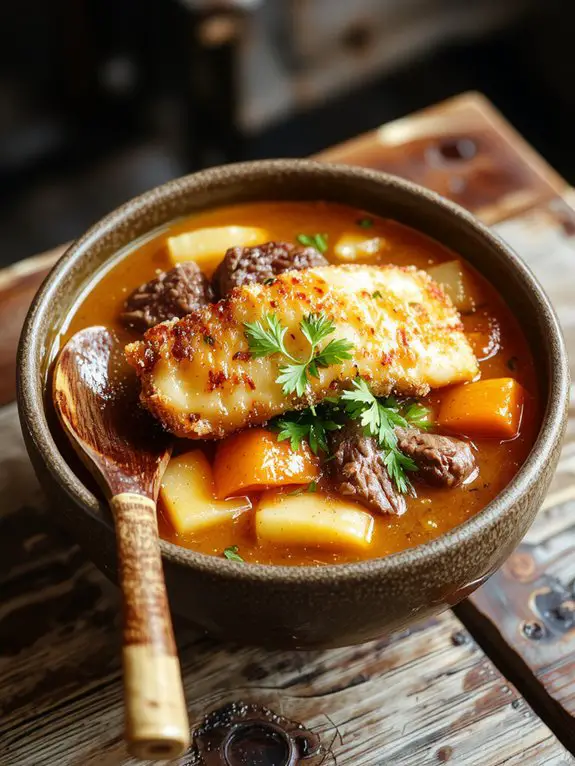
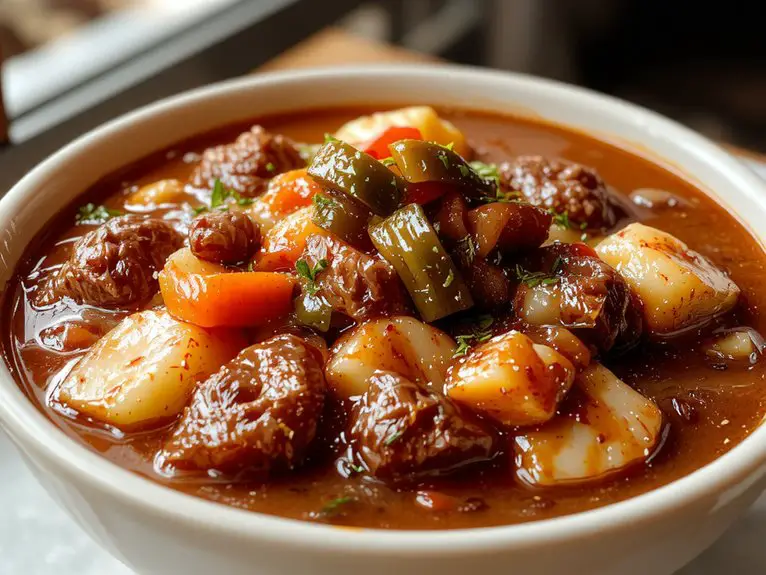
Trust me when I say this homemade Japanese curry recipe will become a staple in your kitchen—it’s that good. Forget the store-bought roux blocks; this version lets you control every layer of flavor, from the rich, velvety sauce to the tender chunks of meat and veggies.
The secret? Toasting your own blend of spices and letting them simmer with fresh ginger, garlic, and a touch of apple for sweetness.
The result is a curry that’s deeply fragrant, slightly sweet, and gloriously savory, with a silky texture that coats every bite perfectly.
Whether you’re a curry newbie or a seasoned pro, this recipe is incredibly forgiving and endlessly customizable. Once you taste it, you’ll understand why this dish is a comforting favorite in homes across Japan—and soon, yours too.
Ingredients
- Curry roux blocks – The non-negotiable base. Use store-bought (S&B Golden Curry is a classic) or make your own with butter, flour, and spices.
- Onions – Thinly sliced and caramelized until golden—this builds sweetness.
- Garlic & ginger – Freshly minced for a punchy aroma.
- Protein – Chicken thighs (juicier than breasts!), beef chuck, or tofu for veggie versions.
- Potatoes & carrots – Cut into chunks; they soften into the sauce beautifully.
- Apple or honey – A secret for balancing spice with sweetness—grated apple melts right in.
- Soy sauce & Worcestershire – For umami depth.
- Oil or butter – For sautéing; butter adds richness.
Substitutions: No Worcestershire? Use a splash of ketchup + soy sauce.
Veggie broth works if you’re out of chicken stock.
Pro tip: Frozen peas stirred in at the end add pops of color and freshness!
How to Make the Best Authentic Japanese Curry Dish
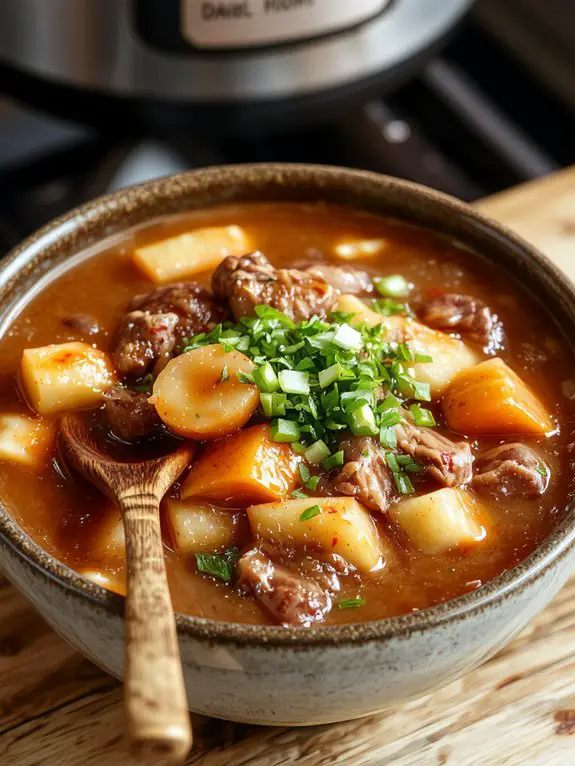
Simmer to perfection: Add water or broth to the pot, enough to cover the ingredients. Bring it to a gentle boil, then reduce the heat to low and simmer for 20-30 minutes.
Stir occasionally to prevent sticking. The curry is ready when the vegetables are tender and the sauce has thickened.
Taste and adjust: Before serving, taste the curry and adjust the seasoning if needed. Add a pinch of salt, sugar, or soy sauce to balance the flavors.
For extra richness, stir in a splash of milk or cream.
Serve hot: Ladle the curry over steamed rice or alongside udon noodles. Garnish with pickles or fukujinzuke for a traditional touch.
Leftovers taste even better the next day as the flavors deepen.
Nutrition
This Japanese curry recipe is packed with a balance of macronutrients and essential vitamins. Here’s a breakdown of its nutritional value per serving.
| Nutrient | Amount per Serving |
|---|---|
| Calories | 450 kcal |
| Protein | 18 g |
| Carbohydrates | 55 g |
| Fat | 15 g |
| Saturated Fat | 6 g |
| Cholesterol | 35 mg |
| Sodium | 900 mg |
| Fiber | 6 g |
| Sugar | 10 g |
| Vitamin A | 15% DV |
| Vitamin C | 20% DV |
| Calcium | 8% DV |
| Iron | 12% DV |
Chef Tips
If you want to deepen the flavor of your Japanese curry, try caramelizing the onions low and slow before adding other ingredients—it makes a world of difference.
I also recommend using a mix of beef and chicken stock for richer depth.
Don’t skip the grated apple; its sweetness balances the spices perfectly.
Finally, let the curry rest for 10 minutes after cooking—it thickens beautifully.
Frequently Asked Questions
What’s the Best Rice to Serve With Japanese Curry?
I always pair my Japanese curry with short-grain white rice because it’s sticky and soft, complementing the rich sauce perfectly. Jasmine rice works too, but I find it doesn’t soak up the flavors as well.
Can I Freeze Japanese Curry for Later Use?
Yes, I can freeze Japanese curry for later use. I’ll let it cool completely, then store it in airtight containers or freezer bags. It keeps well for up to 3 months. I’ll reheat it gently when ready.
How Long Does Homemade Japanese Curry Last in the Fridge?
Homemade Japanese curry lasts about 3-4 days in my fridge if stored in an airtight container. I always make sure it’s cooled before refrigerating, and if it smells off, I toss it immediately.
Is Japanese Curry Gluten-Free?
It depends on how it’s made. Traditional Japanese curry often uses roux blocks that contain wheat flour, so it’s not gluten-free. I can make it gluten-free by using a certified gluten-free roux or alternative thickeners.
What’s the Difference Between Japanese and Indian Curry?
Japanese curry is sweeter, thicker, and milder, often made with a roux and served with rice. Indian curry is spicier, uses more whole spices, and has a thinner sauce. I prefer Japanese curry for its comforting, rich flavor.


