The Best Homemade Pineapple Upside Down Cake Recipe
Recipe
Few desserts deliver that perfect balance of nostalgia and wow factor quite like a Pineapple Upside Down Cake.
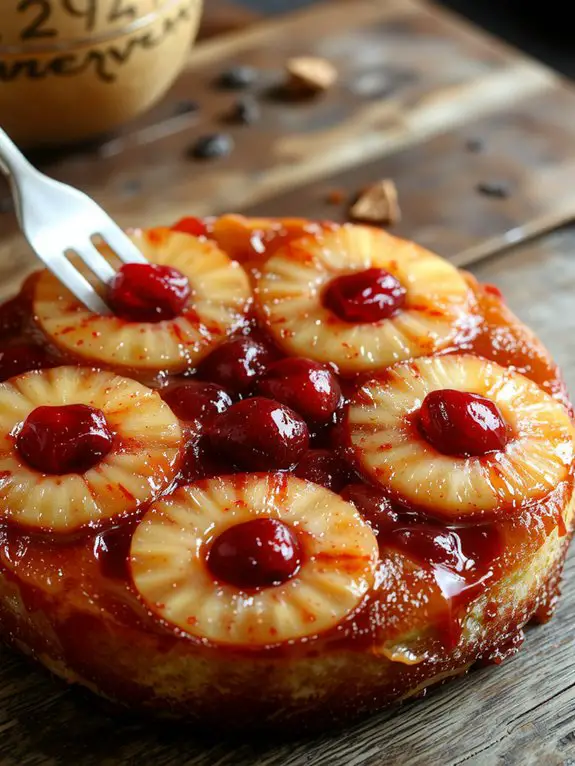
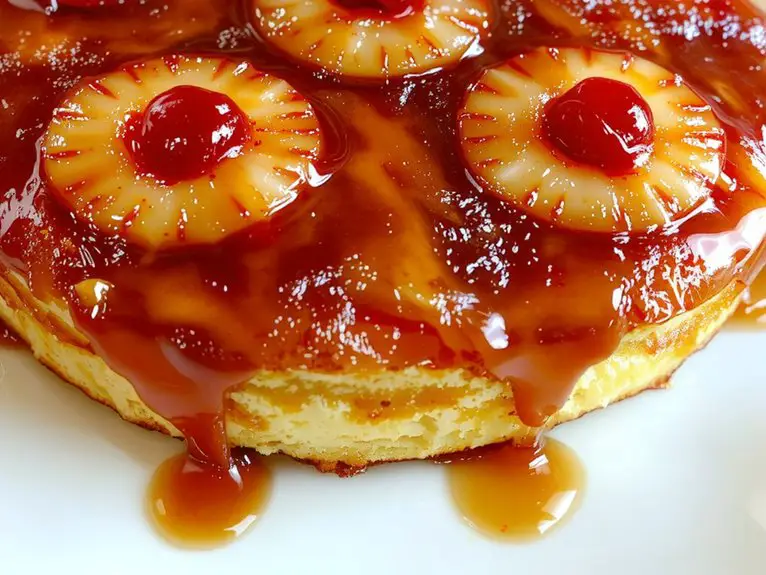
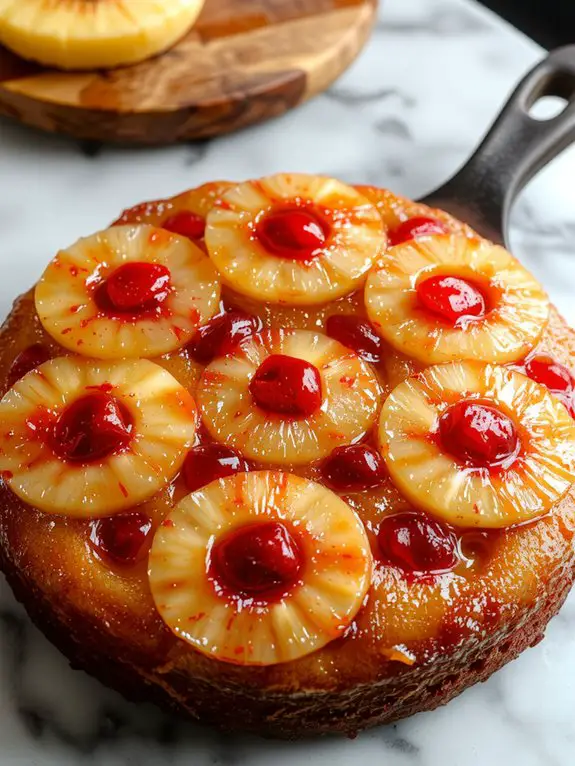
Imagine this: a golden, caramelized crown of juicy pineapple rings and sticky-sweet cherries, sitting atop a buttery, tender cake that practically melts in your mouth.
This isn’t just any cake—it’s a showstopper that tastes as good as it looks, and the best part? It’s surprisingly simple to make.
Whether you’re baking for a special occasion or just craving a slice of retro comfort, this recipe nails that ideal combo of fruity brightness and rich, cakey indulgence.
Trust me, one bite and you’ll understand why this classic never goes out of style.
Ingredients
The secret to a show-stopping pineapple upside-down cake lies in the quality and balance of its ingredients. Every component plays a key role—from the caramelized pineapple topping to the tender, moist cake. Here’s what you’ll need to create this classic dessert, along with insider tips to make it unforgettable.
For the Topping:
- Unsalted butter: Forms the base of the caramel—essential for that rich, gooey layer.
- Brown sugar: Packed with molasses, it creates the perfect caramel when melted with butter.
- Pineapple rings: Use fresh or canned (in juice, not syrup) for a sweet, tangy bite.
- Maraschino cherries: Their vibrant color and chewy texture are a classic addition.
For the Cake:
- All-purpose flour: Provides structure to the cake’s crumb.
- Granulated sugar: Sweetens the batter without overpowering the pineapple.
- Oil (neutral, like vegetable or canola): Keeps the cake incredibly moist—don’t substitute with butter here.
- Eggs: Bind the ingredients and add richness.
- Buttermilk: Adds tanginess and tenderness. No buttermilk? Mix 1 cup whole milk with 1 tbsp vinegar or lemon juice and let it sit for 5 minutes.
- Vanilla extract: Enhances the overall flavor profile—use pure vanilla for the best results.
- Baking powder & baking soda: Guarantee the cake rises perfectly.
Pro Tips:
- Fresh pineapple: If using fresh, slice it thinly for even caramelization.
- Almond extract: A splash in the batter adds a warm, nutty depth that pairs beautifully with pineapple.
- Extra cherries: Tuck them into the pineapple rings for a decorative touch.
Non-negotiables include the butter-sugar caramel layer—it’s the foundation of the dessert’s signature flavor. And don’t skimp on the buttermilk; its acidity tenderizes the cake, making it irresistibly soft.
With these ingredients, you’re on your way to a cake that’s as beautiful as it’s delicious.
How to Make the Best Follow Precise Ingredient Measurements
- Beat ½ cup softened butter and ¾ cup granulated sugar until light and fluffy – Cream for 3-4 minutes to incorporate air. The mixture should pale in color—this step is key for a tender crumb.
- Add 2 eggs, one at a time, mixing well after each – Scrape the bowl between additions to avoid uneven mixing. Room-temperature eggs blend more smoothly.
- Stir in 1 tsp vanilla extract and ½ cup pineapple juice – The juice adds moisture and enhances flavor. No juice? Use milk, but reduce sugar slightly since pineapple juice is naturally sweet.
- Alternately add dry ingredients and ½ cup milk, starting and ending with flour – Mix just until combined after each addition. Overmixing develops gluten, making the cake tough.
Visual cue: Stop when no streaks of flour remain.
- Pour batter over the pineapple layer and smooth the top – Use a spatula to spread evenly. Tap the pan lightly on the counter to release air bubbles.
- Bake for 40-45 minutes – The cake is done when a toothpick inserted in the center comes out clean. Ovens vary, so check at 35 minutes.
Warning: Opening the door too early can cause sinking.
- Cool for 10 minutes, then invert onto a serving plate – Run a knife around the edges first. Wait too long, and the caramel hardens; flip too soon, and the cake may fall apart.
- Serve warm or at room temperature – Top with whipped cream or extra cherries if desired.
Leftovers? Cover and store at room temp for up to 2 days.
Nutrition
This classic pineapple upside down cake is a sweet and indulgent dessert. Here’s the nutritional breakdown per serving.
| Nutrition Facts | Per Serving |
|---|---|
| Calories | 320 |
| Total Fat | 12g |
| Saturated Fat | 7g |
| Cholesterol | 55mg |
| Sodium | 210mg |
| Total Carbs | 50g |
| Dietary Fiber | 1g |
| Sugars | 38g |
| Protein | 3g |
Chef Tips
When I’m making pineapple upside down cake, I’ve found that using fresh pineapple instead of canned makes a big difference in flavor and texture. Pat the pineapple dry to prevent sogginess.
Brown sugar in the topping adds depth, and a cast-iron skillet guarantees even baking.
Let the cake cool 10 minutes before flipping—it’ll hold together better. Serve warm with a dollop of whipped cream for the perfect finish.
Frequently Asked Questions
Can I Use Canned Pineapple Instead of Fresh?
Yes, I can use canned pineapple instead of fresh. It’s convenient, and the texture works well for baking. I’ll just make sure to drain the juice thoroughly so the cake doesn’t get too soggy.
How Do I Prevent the Cake From Sticking to the Pan?
To prevent sticking, grease the pan generously with butter and line it with parchment paper. Sprinkle a thin layer of brown sugar over the butter before arranging the pineapple—this caramelizes and creates a non-stick barrier.
Can I Substitute Brown Sugar for White Sugar?
Yes, you can substitute brown sugar for white sugar, but I’d recommend using light brown sugar since it’ll give a milder molasses flavor. Dark brown sugar might overpower the pineapple’s sweetness, so adjust to your taste.
Is It Possible to Make This Recipe Gluten-Free?
Yes, I can make it gluten-free by swapping regular flour for a gluten-free blend. I’d also check that my baking powder’s gluten-free. The texture might change slightly, but it’ll still taste delicious.
How Long Does the Cake Stay Fresh After Baking?
I’d say the cake stays fresh for about 2-3 days if stored properly. I keep it in an airtight container at room temperature to maintain moisture. Beyond that, it might start to dry out or lose flavor.