The Best Homemade Aioli Recipe

Recipe
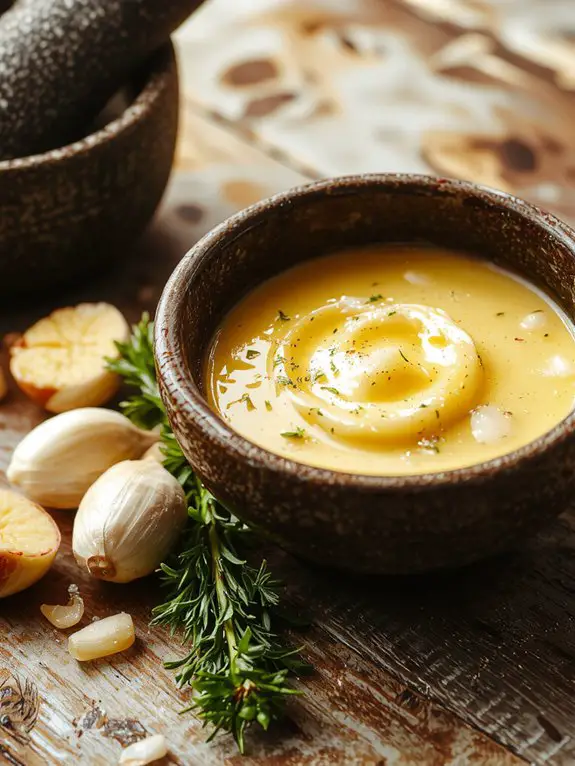
Let’s get one thing straight—this homemade aioli is the kind of condiment that’ll make you rethink store-bought forever. Creamy, garlicky, and packed with fresh lemon zing, it’s the ultimate dip, spread, or drizzle for just about anything. The secret? It’s all about using quality olive oil and letting the ingredients shine without any fussy tricks.
I’ve been making this for years—dinners, parties, lazy snack nights—and every time, it disappears faster than I can blink.
The texture? Silky smooth with a rich, velvety finish. The flavor? Bold but balanced, with just the right punch of garlic that won’t overwhelm.
Trust me, once you try this, you’ll be making it on repeat. Let’s get whisking!
Ingredients
Aioli is all about rich, creamy, and bold flavors, and the right ingredients make all the difference. Fresh, quality components are key—this isn’t the time to skimp. Let’s break it down:
Non-Negotiables:
- Garlic: Fresh garlic is a MUST. Pre-minced garlic won’t give the same punchy, aromatic flavor.
- Egg yolks: Use room temperature, fresh, and free-range eggs for the best emulsification and richness.
- Olive oil: A good-quality extra virgin olive oil adds depth and fruity notes. Don’t use light olive oil—it’s too neutral.
Pro Tips:
- Lemon juice: Freshly squeezed lemon juice brightens the aioli and balances the richness. Bottled juice just doesn’t compare.
- Dijon mustard: This acts as a stabilizer for the emulsion and adds a subtle tang. Don’t skip it!
Flexible Swaps:
- Neutral oil: If you’re not a fan of olive oil’s strong flavor, swap it with avocado oil or a light vegetable oil.
- Vinegar: Out of lemon juice? White wine vinegar or apple cider vinegar can work in a pinch.
Elevators:
- Sea salt: Flaky sea salt enhances the overall flavor better than table salt.
- Pepper: Freshly ground black pepper adds a touch of warmth.
Optional but impressive: Add a pinch of smoked paprika or a splash of hot sauce for a unique twist.
How to Make the Best Garlic-Infused Aioli Recipe
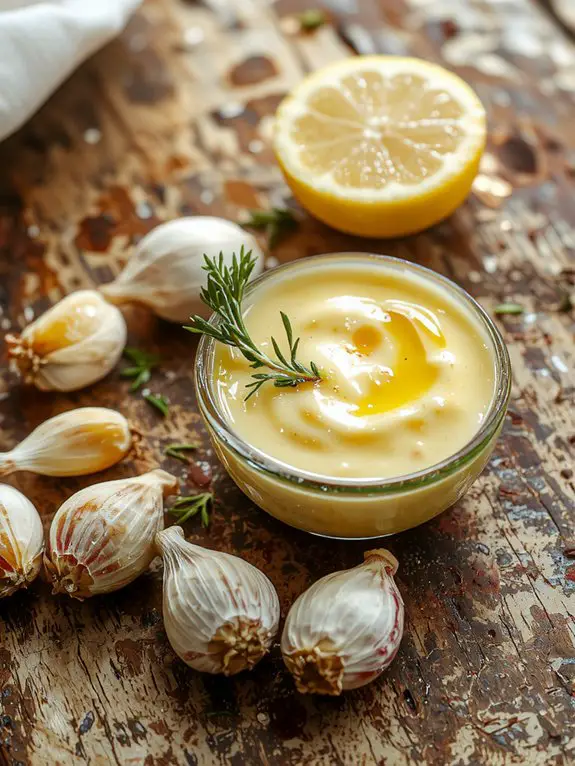
Rest before serving – Cover and refrigerate for 30 minutes. This mellows the garlic’s sharpness and lets the flavors meld.
Pro Tips:
- Room-temperature egg yolk emulsifies easier than cold.
- If the aioli breaks, start with a fresh yolk and whisk the broken mixture into it slowly.
- For extra richness, swap half the oil with olive oil—but add it last to avoid bitterness.
Watch Out:
- Over-whipping can make the aioli greasy. Stop once it’s glossy and coats the back of a spoon.
- Raw egg warning: Use pasteurized eggs if concerned about safety.
Nutrition
Aioli is a flavorful condiment that can be enjoyed in moderation. Here’s the nutritional breakdown for one serving.
| Nutrient | Amount per Serving |
|---|---|
| Calories | 94 kcal |
| Total Fat | 10.2 g |
| Saturated Fat | 1.5 g |
| Cholesterol | 6 mg |
| Sodium | 44 mg |
| Total Carbohydrate | 0.1 g |
| Protein | 0.3 g |
Chef Tips
When making aioli, I’ve found that using room-temperature egg yolks guarantees a smoother emulsion.
Drizzle the oil slowly—too fast and it’ll split. If it does, whisk in a splash of water to save it.
Fresh garlic packs more punch, but roast it for a milder flavor.
Lemon juice brightens everything up.
Store it airtight in the fridge; it’ll keep for three days.
Frequently Asked Questions
What Is the Origin of Aioli?
I believe aioli originated in the Mediterranean, likely in Provence or Catalonia. It’s a simple blend of garlic and olive oil, though some versions include egg yolks. I’ve always thought of it as a classic emulsified sauce.
Can I Use a Blender for Aioli?
I’d recommend using a blender cautiously for aioli; it’s easy to over-process, breaking the emulsion. I prefer a whisk or food processor for control, but if I use a blender, I’ll drizzle oil slowly.
Is Aioli Gluten-Free?
Yes, aioli is typically gluten-free since it’s made from eggs, oil, garlic, and sometimes lemon juice or mustard. If you’re concerned, I’d check any additional ingredients to verify they don’t contain gluten.
How Long Does Homemade Aioli Last?
I’d say homemade aioli lasts about 3-5 days in the fridge if you store it in an airtight container. Since it’s made with raw eggs, I wouldn’t push it past that for safety.
Can I Substitute Olive Oil?
Yes, I can substitute olive oil for aioli, but it’ll give a stronger, fruitier flavor. I prefer mild oils like vegetable or canola for a neutral taste, but olive oil works if I want that rich kick.


