The Best Homemade Pierogi Recipe
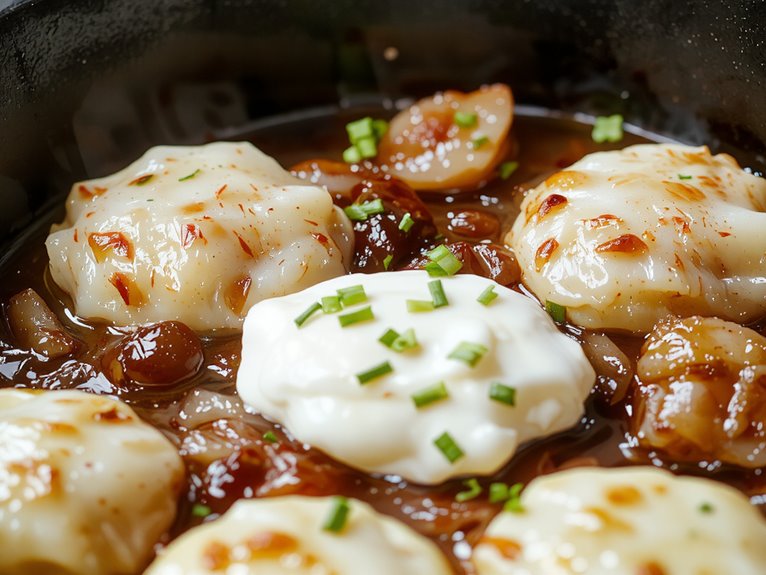
Recipe
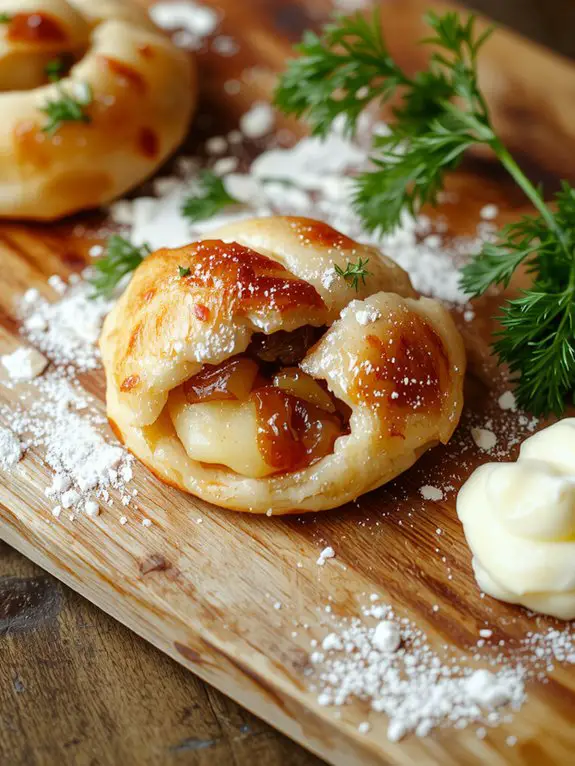
There’s something magical about homemade pierogi—soft, pillowy dough wrapped around a rich, flavorful filling, then boiled to tender perfection and lightly fried for that irresistible golden crisp. Once you try these, store-bought versions will never compare.
The secret? A simple but foolproof dough that’s easy to work with and a filling that balances creamy mashed potatoes with sharp cheddar and caramelized onions for a bite that’s pure comfort.
I’ve made these countless times for family gatherings, and they disappear faster than I can plate them. Whether you’re a pierogi pro or a first-timer, this recipe is forgiving, fun, and guaranteed to impress.
Get ready for dumplings so good, you’ll want to double the batch—trust me.
Ingredients
For the Dough (Non-Negotiable Foundation):
- 2½ cups all-purpose flour – The backbone; don’t skimp or sub with low-protein flours.
- 1 large egg – Adds richness and elasticity.
- ½ cup sour cream – Secret weapon for ultra-tender dough (Greek yogurt works in a pinch).
- ½ cup warm water – Adjust as needed; dough should be soft but not sticky.
- 1 tsp salt – Balances the dough’s mildness.
For the Classic Potato & Cheese Filling (Creamy Comfort):
- 2 cups mashed potatoes – Russets or Yukon Golds for fluffiness (leftovers work!).
- 1 cup sharp cheddar or farmer’s cheese – Farmer’s cheese is traditional, but cheddar adds punch.
- 1 small onion, finely diced & caramelized – Golden onions = depth of flavor. *Skip raw onions—they’re too harsh.*
- 2 tbsp butter – Folded into the filling for richness.
- Salt & pepper to taste – Season aggressively; fillings fade when boiled.
Pro Tips:
- Dough too dry? Add water *1 tbsp at a time*—overhydrated dough tears easily.
- Shortcut: Use store-bought mashed potatoes, but drain excess liquid to avoid soggy pierogi.
- Extra flourish: Fry boiled pierogi in butter with crispy bacon bits and onions for a *next-level* finish.
Substitutions & Swaps:
- Vegan? Swap sour cream for coconut yogurt and butter for olive oil (dough will be less tender).
- Sweet twist: Fill with ricotta + lemon zest or stewed blueberries for dessert pierogi.
Little Wins:
- Toppings: Sour cream, chives, or apple sauce (for sweet versions) add contrast.
- Freezer hack: Dust uncooked pierogi with flour and freeze flat for later—boil straight from frozen!
How to Make the Best Classic Potato Pierogi Method
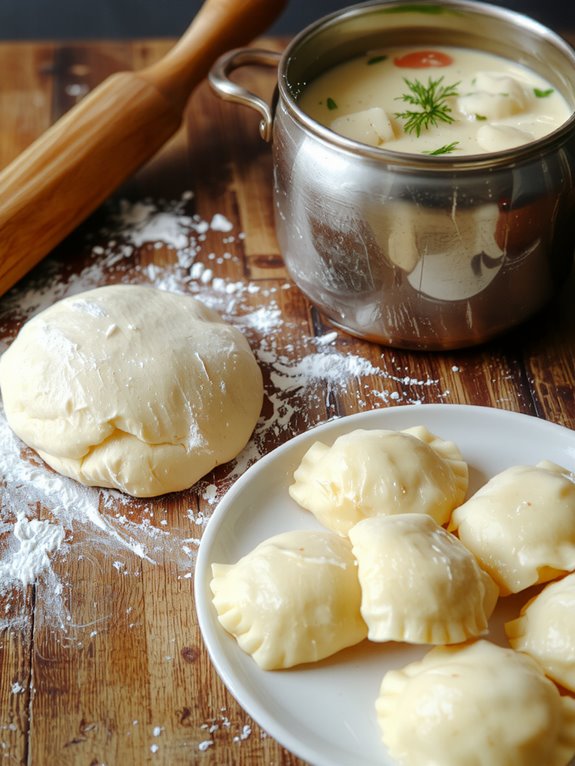
- Optional: Pan-fry for extra crispness: Heat a skillet with a bit of butter or oil over medium heat. Add the boiled pierogi and fry until golden brown on both sides, about 2-3 minutes per side. *Pro Tip: For a richer flavor, add a few sautéed onions to the skillet while frying.*
- Serve and enjoy: Serve the pierogi hot with sour cream, caramelized onions, or your favorite toppings. *Flexibility: These freeze well! Layer uncooked pierogi on a baking sheet, freeze until solid, then transfer to a freezer bag for up to 3 months.*
Nutrition
This homemade pierogi recipe provides a delicious and satisfying meal. Here’s the nutritional breakdown per serving.
| Nutrient | Amount per Serving |
|---|---|
| Calories | 250 kcal |
| Protein | 8 g |
| Carbohydrates | 35 g |
| Fat | 9 g |
| Fiber | 2 g |
| Sodium | 300 mg |
Chef Tips
Making perfect pierogi isn’t just about the ingredients—it’s about technique. I always roll the dough thin, about 1/8 inch, to avoid chewiness.
Seal the edges tightly with a fork or your fingers to prevent filling from leaking.
Use a floured surface to prevent sticking, but don’t over-flour the dough.
Boil gently, and fry them lightly in butter for a golden finish.
Frequently Asked Questions
Can I Freeze Pierogi After Boiling?
Yes, I can freeze pierogi after boiling. I’ll let them cool completely, then toss them lightly in oil to prevent sticking. I’ll freeze them on a tray before transferring to a bag for long-term storage.
What’s the Best Sauce to Serve With Pierogi?
I love serving pierogi with sour cream—it’s creamy and tangy. If I want something richer, I’ll melt butter with onions or add crispy bacon bits. A simple mushroom sauce also pairs perfectly with them.
How Do I Prevent Pierogi Dough From Tearing?
I knead the dough well until it’s smooth and elastic, then let it rest for 30 minutes to relax the gluten. I roll it thin but not too thin, and handle it gently when filling and sealing.
Can I Use a Pasta Maker to Roll Pierogi Dough?
Yes, I can use a pasta maker to roll pierogi dough. I’ll set it to the thickest setting first, then gradually adjust it thinner until I reach my desired thickness, usually around 1/8 inch for pierogi.
How Long Do Cooked Pierogi Last in the Fridge?
I keep cooked pierogi in the fridge for 3-4 days. Make sure they’re in an airtight container so they stay fresh. If they smell off or look slimy, I toss them—better safe than sorry!