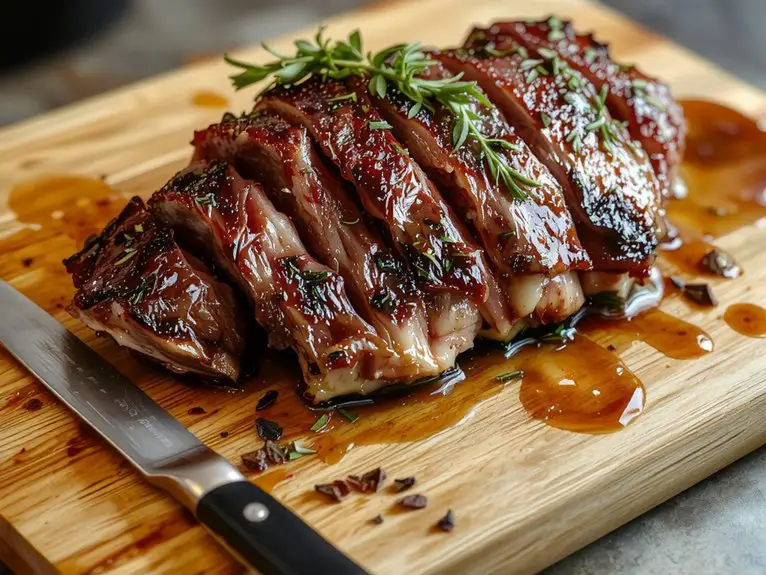
The Best Homemade Beef Tenderloin Recipe
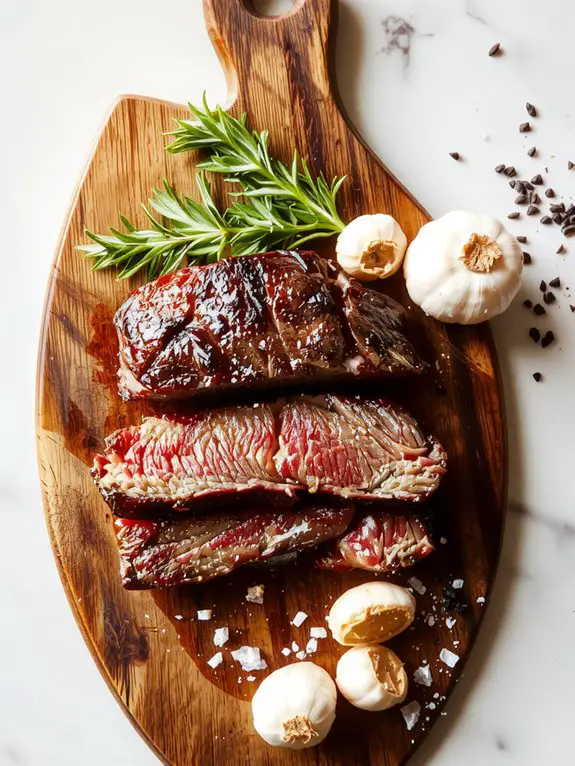
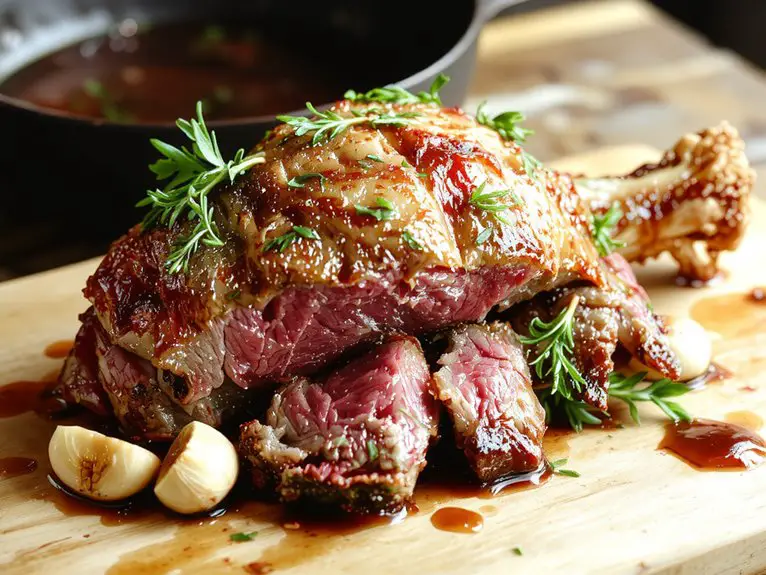
Recipe
I’ve made this beef tenderloin more times than I can count, and let me tell you—it’s the *ultimate* showstopper for any occasion. Whether it’s a holiday dinner, date night, or just a Tuesday when you’re feeling fancy, this recipe delivers every single time.
The secret? Keeping it simple. A perfectly seared exterior, a melt-in-your-mouth interior, and a flavor so rich, it feels like it belongs in a five-star restaurant.
The magic comes from a quick sear to lock in the juices, followed by a low-and-slow roast to guarantee it’s tender all the way through. Add in a buttery garlic-herb crust, and you’ve got a dish that’s as impressive as it’s delicious.
Trust me, once you try this, it’ll become your go-to for making any meal feel extraordinary. Let’s get cooking—your taste buds are in for a treat!
Ingredients
For a succulent beef tenderloin that’s restaurant-worthy, starting with high-quality ingredients is key. The simplicity of this recipe allows the natural flavors to shine, so each component matters. Here’s what you’ll need to make this standout dish:
- Beef tenderloin roast (center-cut): The star of the show. Opt for a well-trimmed piece for even cooking and tenderness. A 3-4 lb roast serves 6-8 people.
- Kosher salt: Essential for seasoning. Its coarse texture draws out moisture and enhances the beef’s flavor.
- Freshly ground black pepper: Adds depth and a subtle spice. Use a grinder for the best flavor.
- Olive oil: Helps create a crispy, golden-brown crust. Extra virgin olive oil works, but avocado oil is a great high-heat alternative.
- Garlic cloves: Fresh garlic is a must—it infuses the meat with aromatic richness during roasting.
- Fresh thyme or rosemary: Herbs add a fragrant, earthy note. Don’t skip these—they elevate the dish to gourmet status.
- Unsalted butter: For basting, it adds richness and a glossy finish. Keep it cold until needed.
Optional Extras:
- Dijon mustard: Spread a thin layer on the meat before seasoning for a savory crust.
- Red wine or beef broth: Use for making a quick pan sauce to drizzle over the slices.
Substitutions:
No fresh herbs? Dried thyme or rosemary works in a pinch (use half the amount). Salted butter can replace unsalted, but reduce additional salt to avoid over-seasoning.
Pro Tip: Let the roast sit at room temperature for 1-2 hours before cooking. This guarantees even cooking and a tender result. Don’t rush this step—it’s a game-changer!
How to Make the Best Classic Beef Tenderloin Method
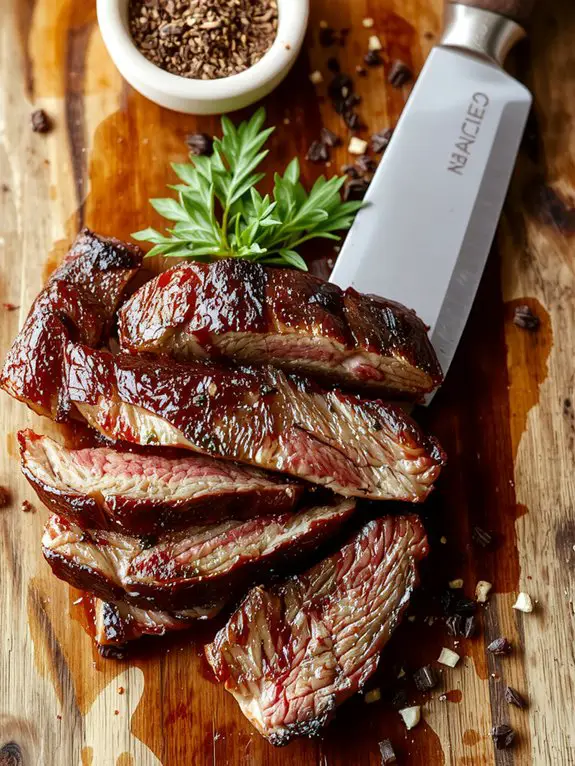
- Preheat the oven to 425°F (220°C): This guarantees the oven is hot enough to sear the beef tenderloin, locking in juices and creating a beautiful crust.
- Trim and tie the tenderloin: Remove any excess fat or silver skin with a sharp knife. Tie the roast with kitchen twine at 1-inch intervals to help it cook evenly and maintain its shape.
- Season generously: Pat the tenderloin dry with paper towels, then season liberally with salt and freshly ground black pepper. This enhances the flavor and creates a seasoned crust.
- Sear the tenderloin: Heat a large oven-safe skillet over medium-high heat and add a high-smoke-point oil like canola or avocado oil.
- Sear the tenderloin: Sear the tenderloin on all sides until deeply browned, about 2-3 minutes per side. This step builds flavor through the Maillard reaction.
- Add aromatics: Toss minced garlic, fresh herbs like thyme or rosemary, and a few tablespoons of butter into the skillet.
- Add aromatics: Baste the tenderloin with the melted butter and aromatics for added richness.
- Roast in the oven: Transfer the skillet to the preheated oven. Cook until the internal temperature reaches 135°F (57°C) for medium-rare, about 15-20 minutes depending on the size of the roast.
- Rest before slicing: Remove the tenderloin from the oven, tent loosely with foil, and let it rest for at least 10 minutes. Resting allows the juices to redistribute, securing a moist and tender slice.
- Slice and serve: Remove the twine, slice the tenderloin into 1-inch thick pieces, and serve immediately. Pair with your favorite sides or a simple pan sauce made from the skillet drippings.
Pro Tip: Use a meat thermometer to check doneness; overcooking can dry out this premium cut.
Watch-Out: Avoid overcrowding the skillet when searing, as this can lower the pan temperature and prevent proper browning.
Nutrition
Beef tenderloin is a lean and tender cut of meat, rich in protein and essential nutrients. Below is the nutritional breakdown per serving.
| Nutrient | Amount per Serving |
|---|---|
| Calories | 240 kcal |
| Protein | 22g |
| Fat | 16g |
| Carbohydrates | 0g |
| Cholesterol | 75mg |
| Sodium | 55mg |
Chef Tips
When preparing beef tenderloin, I always recommend letting the meat come to room temperature before cooking—it guarantees even cooking throughout.
Season generously with salt and pepper, and sear it on all sides in a hot pan to lock in flavor.
Use a meat thermometer to avoid overcooking; aim for medium-rare (130°F).
Let it rest for 10 minutes before slicing to keep it juicy.
Frequently Asked Questions
Can I Use Frozen Beef Tenderloin for This Recipe?
Yes, I can use frozen beef tenderloin, but I’ll need to thaw it completely in the fridge overnight for even cooking. If I cook it frozen, it’ll end up unevenly cooked and less tender. Patience pays off!
How Do I Store Leftover Beef Tenderloin?
I store leftover beef tenderloin in an airtight container or tightly wrapped in foil, then refrigerate it for up to 3 days. If I want to keep it longer, I freeze it for 2-3 months.
What Sides Pair Best With Beef Tenderloin?
I love pairing beef tenderloin with creamy mashed potatoes or roasted garlic parmesan asparagus. A crisp arugula salad with lemon vinaigrette works too. For something hearty, I go with truffle mac and cheese or sautéed mushrooms.
Can I Cook Beef Tenderloin in an Air Fryer?
Yes, I cook beef tenderloin in an air fryer. I preheat it to 400°F, season the meat, and cook for 15-20 minutes, flipping halfway. I check the internal temperature to confirm it reaches 135°F for medium-rare.
How Do I Know if the Beef Tenderloin Is Cooked Properly?
I check the beef tenderloin’s internal temperature with a meat thermometer; it’s safe at 145°F for medium-rare. I also look for firmness when pressed and juices running clear, not red, to confirm it’s cooked properly.