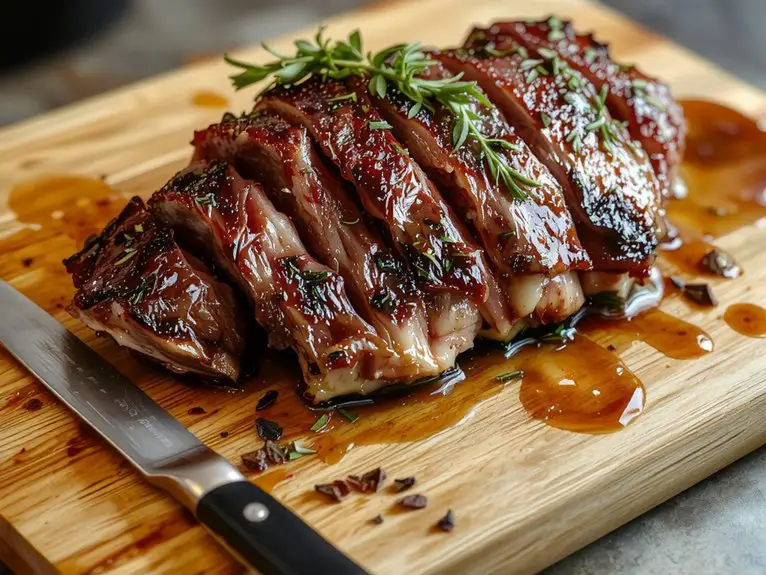
The Best Homemade Prime Rib Roast Recipe
Recipe
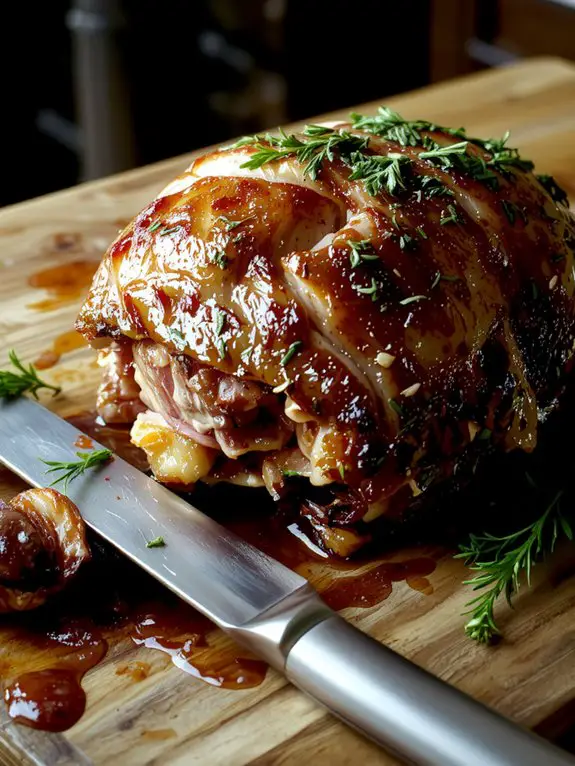
I can confidently say this homemade prime rib roast recipe is the showstopper your holiday table—or any dinner party—has been missing. It’s the kind of dish that makes you feel like a pro, even if it’s your first time roasting a prime rib.
The secret? A simple herb crust made with garlic, rosemary, and thyme that infuses every bite with rich, savory flavor. Pair that with a slow-roasting technique that guarantees a melt-in-your-mouth interior and a perfectly crispy, golden exterior, and you’ve got a masterpiece.
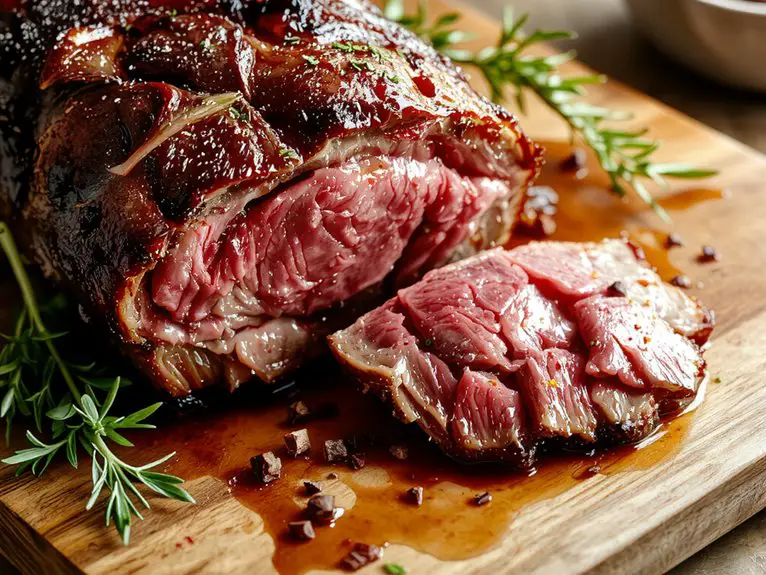
Trust me, the moment you slice into that juicy, tender roast and catch a whiff of its incredible aroma, you’ll understand why this recipe is a keeper. It’s easier than you think, and the results are absolutely worth it. Let’s get started—your taste buds will thank you later.
Ingredients
For a showstopping prime rib roast, choosing the right ingredients is vital. Quality meat and carefully selected seasonings make all the difference. Here’s what you’ll need to nail this classic dish:
Meat:
- Bone-in prime rib roast – The bone adds flavor and keeps the meat juicy. Aim for USDA Choice or Prime for the best marbling.
- Kosher salt – Essential for seasoning; its coarse texture guarantees even coverage.
Seasonings:
- Freshly cracked black pepper – Adds depth and a slight heat.
- Garlic powder – Enhances savory notes without burning like fresh garlic.
- Fresh garlic cloves – For a bold, aromatic flavor. Smash these and rub them directly onto the meat.
- Fresh rosemary and thyme – These herbs bring earthy, aromatic flavors. Don’t skimp—fresh is worth it!
Cooking Essentials:
- Olive oil – Helps the seasoning stick and creates a beautiful crust.
- Unsalted butter – Adds richness to the final roast.
- Beef broth or red wine – For deglazing the pan and creating a flavorful jus.
Optional Elevators:
- Dijon mustard – Spread a thin layer on the roast before seasoning for extra depth.
- Horseradish – Serve on the side for a zesty kick.
- Fresh parsley – Chop finely for garnish to add a pop of color.
Pro Tips:
- Let the roast come to room temperature before cooking for even doneness.
- If fresh herbs aren’t available, dried can work—just use half the amount.
- No beef broth? Substitute with chicken broth or even water, but reduce it well for concentrated flavor.
With these ingredients and a little patience, you’ll have restaurant-quality prime rib right at home.
How to Make the Best Perfect Prime Rib Technique
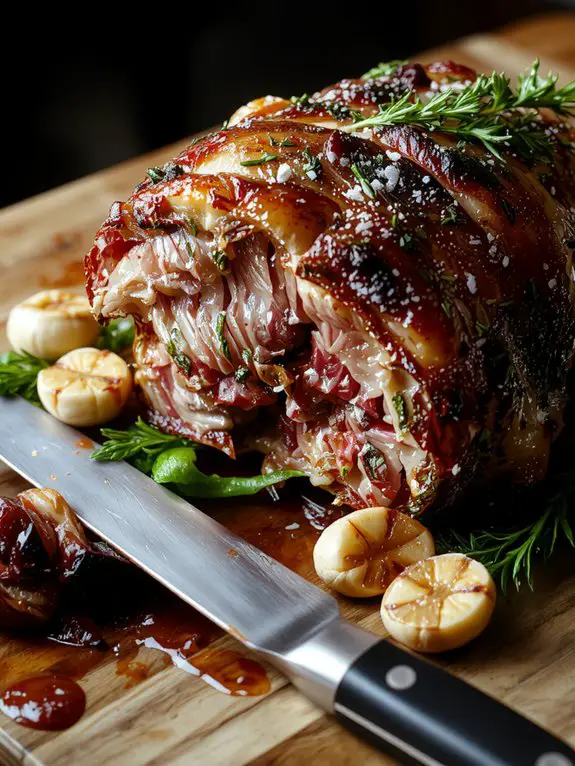
– Rest the roast for 30+ minutes under foil before carving.
*Why?* Resting lets juices redistribute—skip this, and they’ll spill out when sliced.
– Carve against the grain for tender slices.
*Pro tip:* Use a sharp knife and steady, even strokes.
– Adjust cook time for smaller/larger roasts: ~15 mins per pound at 325°F after the initial sear.
*Flexibility:* Check temp early—ovens vary!
Nutrition
Prime rib roast is a rich and flavorful cut of beef that provides essential nutrients.
It’s high in protein, iron, and healthy fats.
| Nutrient | Amount per 100g |
|---|---|
| Calories | 250 |
| Protein | 25g |
| Fat | 17g |
| Carbohydrates | 0g |
| Iron | 2.5mg |
Chef Tips
When preparing a prime rib roast, I always recommend letting the meat come to room temperature before cooking—it guarantees even doneness throughout.
Season generously with salt, pepper, and herbs at least an hour in advance.
Use a meat thermometer for precision; aim for 120°F for rare or 130°F for medium-rare.
Rest the roast for 20–30 minutes post-cooking to let juices redistribute.
Slice against the grain for tender bites.
Frequently Asked Questions
Can I Use a Different Cut of Beef?
I can use a different cut, but it won’t have the same tenderness or flavor as prime rib. Ribeye, sirloin, or chuck roast work, though I’ll need to adjust cooking times and methods for the best results.
How Do I Store Leftovers Properly?
I’ll store leftovers in an airtight container or wrap them tightly in foil, then refrigerate within two hours. They’ll last 3-4 days, but I can freeze them for up to 3 months for longer storage.
Can I Make This Recipe Without an Oven?
I can’t make prime rib without an oven—it needs that dry heat to cook evenly. I’d try a slow cooker or grill, but they won’t give the same crust or doneness as roasting does.
What Sides Pair Best With Prime Rib?
I’d pair prime rib with creamy mashed potatoes, roasted asparagus, and a tangy horseradish sauce. A rich au jus or Yorkshire pudding complements it perfectly, while a fresh arugula salad adds a light, balancing touch.
Is Prime Rib the Same as Ribeye Steak?
Prime rib and ribeye steak aren’t the same but come from the same cut. Prime rib’s a large roast with bones, while ribeye’s a smaller, boneless or bone-in steak. They’re both tender and flavorful, though!