The Best Homemade Chicken Gravy Recipe
Recipe
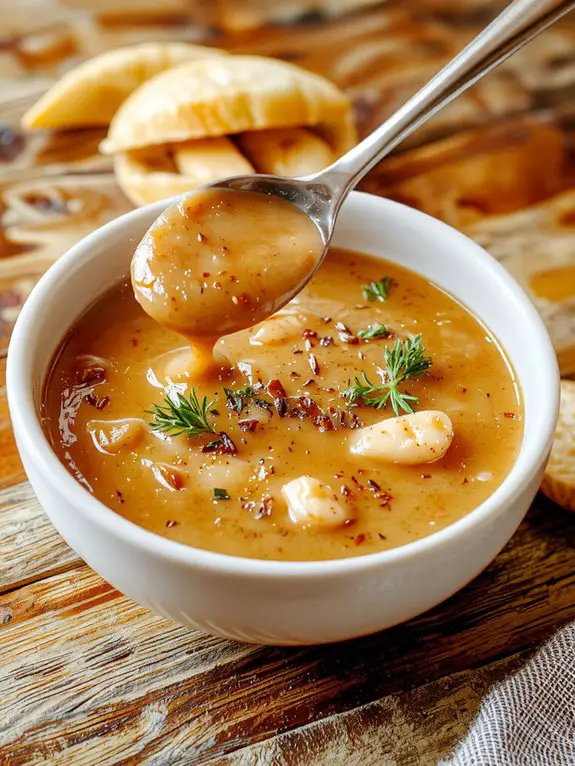
This homemade chicken gravy is the ultimate game-changer for your meals—it’s rich, velvety, and packed with so much flavor, you’ll wonder why you ever reached for store-bought.
What makes it special? It’s all about starting with pan drippings (or a quick substitute if you’re winging it) and layering in aromatics like garlic and onions for depth.
The secret? A splash of white wine or chicken broth to deglaze the pan, ensuring every bit of flavor makes it into the gravy.
My go-to trick is whisking in a roux for that perfect silky texture—trust me, it’s foolproof.
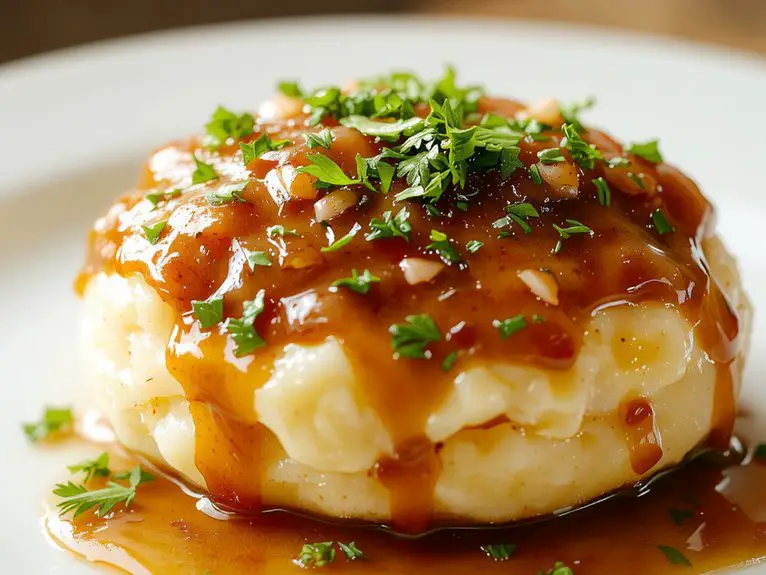
Whether you’re pouring it over mashed potatoes, roasted chicken, or biscuits, this gravy is pure comfort in every spoonful.
It’s easier than you think, and once you taste it, you’ll never look back. Let’s get cooking!
Ingredients
Great chicken gravy starts with the right ingredients—using quality basics like fresh pan drippings and real butter can make all the difference in flavor and texture. Here’s what you’ll need, with tips and swaps to make it work for you:
For the Base:
- Pan Drippings (from roasted chicken): Essential for depth of flavor—don’t skip this! No drippings? Use chicken stock for a lighter option.
- All-Purpose Flour: The thickening agent. For gluten-free, substitute with cornstarch (use half the amount).
- Unsalted Butter: Adds richness and smoothness. Margarine works in a pinch, but butter is worth it.
For Flavor:
- Chicken Stock (low-sodium): Homemade is ideal, but store-bought works—just adjust salt levels.
- Salt & Black Pepper: Season generously, but taste as you go.
For Extra Depth (optional but recommended):
- Garlic Powder: A pinch enhances savoriness.
- Fresh Thyme or Sage: Herbs elevate the aroma—dried herbs work too (use half the amount).
Pro Tip: For a richer gravy, add a splash of heavy cream or milk at the end—this creates a velvety texture.
How to Make the Best Best Chicken Gravy Recipe
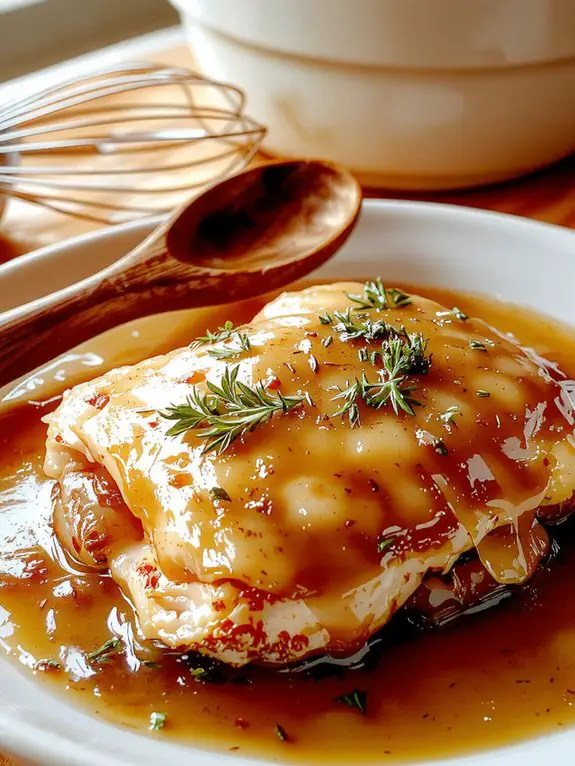
– Simmer for 3-5 minutes until glossy and velvety. If it coats the back of a spoon, it’s ready.
Remove from heat to prevent over-thickening.
– Stir in pan drippings (if using) for extra flavor. This step is optional but adds depth.
Skim off excess fat first for a smoother texture.
– Serve warm over mashed potatoes, chicken, or biscuits. Gravy thickens as it cools—reheat with a splash of broth if needed.
Pro Tip: For extra richness, swap ½ cup of broth with heavy cream or whole milk. Just add it at the end to avoid curdling.
Watch Out: Don’t rush the roux—undercooked flour tastes pasty. And always whisk while adding liquid to avoid lumps!
Nutrition
Protein: 12g
Fat: 8g
Carbohydrates: 6g
Calories: 150
Chef Tips
To achieve the best consistency for homemade chicken gravy, I always recommend starting with a well-made roux. Equal parts flour and fat guarantees a smooth base.
Slowly whisk in the broth to avoid lumps, and let it simmer to thicken properly. Season generously but taste as you go—balance is key.
For depth, I deglaze the pan drippings and incorporate them into the gravy.
Frequently Asked Questions
Can I Use Turkey Drippings Instead of Chicken?
Yes, I can use turkey drippings instead of chicken. They’ll add a richer flavor, but I’ll taste as I go since turkey drippings are often stronger. I might need to adjust seasoning for balance.
Is This Gravy Suitable for Freezing?
Yes, I can freeze this gravy. I’d store it in an airtight container or freezer bag, leaving some space for expansion. When I’m ready to use it, I’ll thaw and reheat it gently, stirring often.
Can I Make This Gravy Gluten-Free?
Yes, you can make this gravy gluten-free by swapping the flour for a gluten-free alternative like cornstarch or a gluten-free flour blend. Just whisk it in slowly to avoid lumps, and you’ll still get that rich, smooth texture.
What’s the Best Way to Reheat Leftover Gravy?
I’d reheat leftover gravy by warming it in a saucepan over low heat, stirring often to prevent scorching. If it’s too thick, I’ll add a splash of broth or water to bring it back to the right consistency.
Can I Substitute Butter for the Oil in This Recipe?
Absolutely, I’d substitute butter for oil—it’ll add richness and flavor. Just melt it gently before using it in the recipe, and watch it closely so it doesn’t burn while cooking the gravy.


