The Best Homemade Garlic Aioli Recipe

Recipe
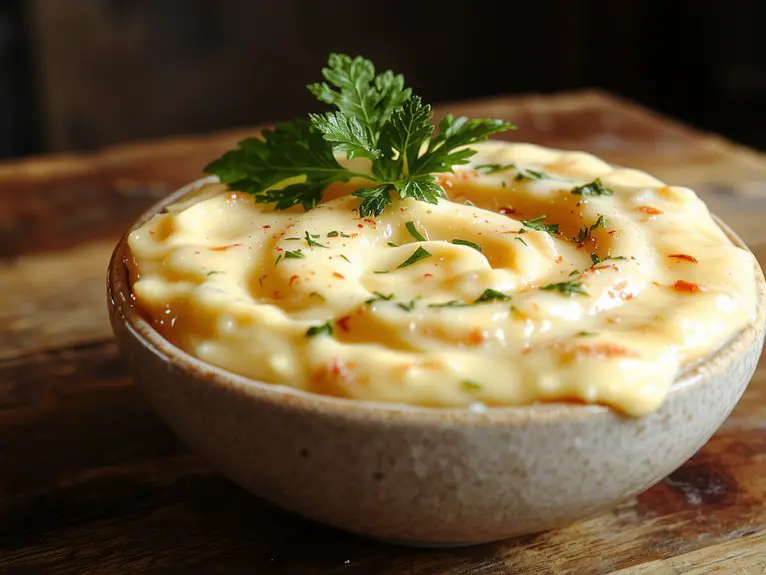
This garlic aioli is the kind of condiment that transforms meals from good to unforgettable—trust me, once you try it, you’ll want to put it on *everything*. Creamy, garlicky, and with just the right zing from fresh lemon juice, it’s a homemade upgrade that beats store-bought versions hands down.
I’ve been making this recipe for years, and it’s become my go-to for dipping fries, dressing sandwiches, and even jazzing up roasted veggies. The magic is in the simplicity: just a handful of quality ingredients whipped together for a smooth, velvety texture that’s packed with flavor. Whether you’re a kitchen newbie or a seasoned cook, this recipe is foolproof and downright delicious. Let’s get started—your taste buds are going to thank you.
Ingredients
The key to a truly irresistible garlic aioli lies in the quality of your ingredients. Freshness and balance are everything—this creamy condiment hinges on bold garlic flavor, richness from the best oil you’ve got, and a touch of acidity to brighten it all up. Here’s what you’ll need:
- Garlic: Fresh garlic cloves are non-negotiable—skip the jarred stuff. For a milder flavor, roast the garlic first; for a punchy kick, use it raw.
- Egg Yolk: Acts as the emulsifier, giving the aioli its creamy texture. Use the freshest egg you can find to guarantee stability.
- Neutral Oil: Mild, neutral oils like avocado, grapeseed, or light olive oil work best. Avoid extra virgin olive oil—its strong flavor can overpower the garlic.
- Lemon Juice: Freshly squeezed lemon juice adds the right acidity. If you don’t have lemons, white wine vinegar or apple cider vinegar are great substitutes.
- Dijon Mustard: Adds depth and helps stabilize the emulsion. If you don’t have Dijon, a bit of whole-grain mustard works too.
- Kosher Salt: Enhances all the flavors. Adjust to taste, but don’t skip it—it’s essential for balance.
- Black Pepper: Freshly cracked black pepper adds a subtle warmth.
For an elevated twist, consider adding a pinch of smoked paprika, a splash of hot sauce, or a handful of fresh herbs like parsley or chives. These extras can take your aioli from good to unforgettable.
How to Make the Best Authentic Garlic Aioli Method
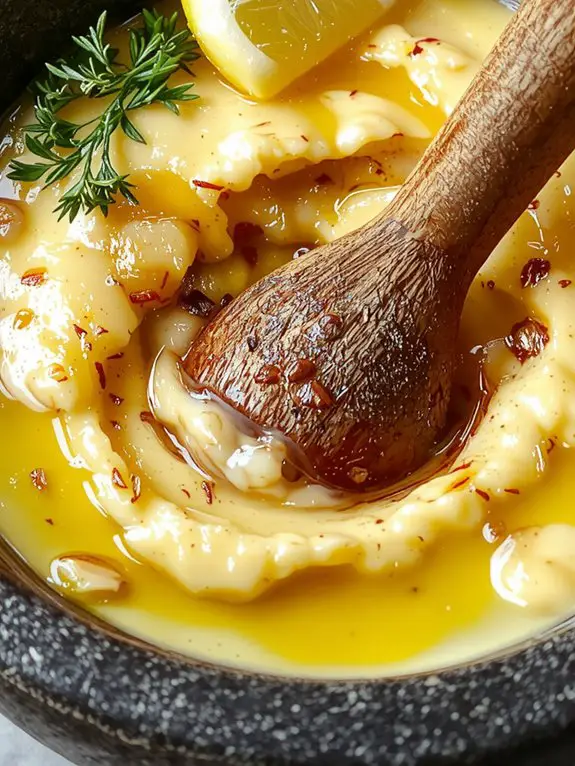
- Gather fresh ingredients: Start with fresh garlic, a good-quality egg yolk, and extra virgin olive oil. Fresh garlic guarantees the aioli has a vibrant flavor that shines through, while high-quality oil and eggs make the emulsion smoother and richer.
- Mince the garlic finely: Use a sharp knife or a microplane to mince the garlic as finely as possible. This step secures the garlic disperses evenly into the aioli, creating a consistent flavor without any overpowering chunks.
- Whisk the egg yolk and garlic together: In a medium bowl, combine the egg yolk and minced garlic. Whisk them together until they form a smooth, thick base. This initial mixture is essential for stabilizing the emulsion later.
- Add oil slowly: Start drizzling the olive oil into the egg mixture drop by drop while whisking constantly. This gradual process is vital to creating a stable emulsion—rushing this step can cause the aioli to break.
- Increase oil flow gradually: Once the mixture begins to thicken, you can add the oil in a thin, steady stream, continuing to whisk vigorously. The aioli should become creamy and glossy as it emulsifies.
- Season to taste: Once all the oil is incorporated, season the aioli with a pinch of salt and a squeeze of lemon juice (if desired). Taste and adjust the seasoning to your preference.
- Check the consistency: The finished aioli should be thick, creamy, and smooth. If it’s too thick, you can thin it with a teaspoon of water or lemon juice. If it breaks, see the tip below to fix it.
- Pro Tip: Fixing a broken aioli: If your aioli separates, don’t panic. Place a fresh egg yolk in a clean bowl and slowly whisk the broken mixture into it. This should bring it back together.
- Store properly: Transfer the aioli to an airtight container and refrigerate. It will keep for up to 3 days. For the best flavor, bring it to room temperature before serving.
- Watch-Out Warning: Avoid using a food processor for this recipe—it’s easy to overmix and break the emulsion. A hand whisk gives you better control.
Nutrition
Garlic aioli is a flavorful condiment that can be enjoyed in moderation. Below is the nutritional breakdown per serving (1 tablespoon).
| Nutrient | Amount |
|---|---|
| Calories | 94 kcal |
| Fat | 10 g |
| Saturated Fat | 1.5 g |
| Cholesterol | 5 mg |
| Sodium | 80 mg |
| Carbohydrates | 1 g |
| Protein | 0.2 g |
Chef Tips
While garlic aioli’s nutrition is straightforward, I’ve picked up a few tips to make it even better.
Use fresh garlic—it’s sharper and more aromatic.
Let the minced garlic sit for 10 minutes before mixing to deepen flavor.
Whisk slowly to emulsify properly.
Add lemon juice gradually for balance.
If it’s too thick, a splash of water helps.
Store in an airtight container; it keeps for up to a week.
Frequently Asked Questions
Can I Use Jarred Garlic Instead of Fresh?
I’d recommend fresh garlic for the best flavor, but you can use jarred garlic if that’s all you’ve got. Just remember it’s milder, so I’d add a bit more to taste. It’ll still work!
Is Aioli the Same as Mayonnaise?
Aioli isn’t the same as mayo, though they’re similar. I know mayo’s made with oil, egg yolk, and lemon or vinegar, while aioli adds garlic and sometimes skips the egg. Both are creamy, but aioli’s got that garlic punch.
How Long Does Homemade Aioli Last?
Homemade aioli lasts about 3–5 days in the fridge if stored in an airtight container. I always check for off smells or separation before using it—better safe than sorry with homemade condiments.
Can I Make Aioli Without Eggs?
Yes, I can make aioli without eggs. I’ll use substitutes like mayonnaise, yogurt, or silken tofu as a base. It won’t be traditional, but it’ll still give me that creamy, garlicky flavor I love.
What Dishes Pair Well With Garlic Aioli?
I’d pair garlic aioli with roasted potatoes, sandwiches, grilled veggies, or seafood like shrimp or fish tacos. It’s also great with fries, burgers, or as a dip for crispy appetizers like calamari or artichokes.


