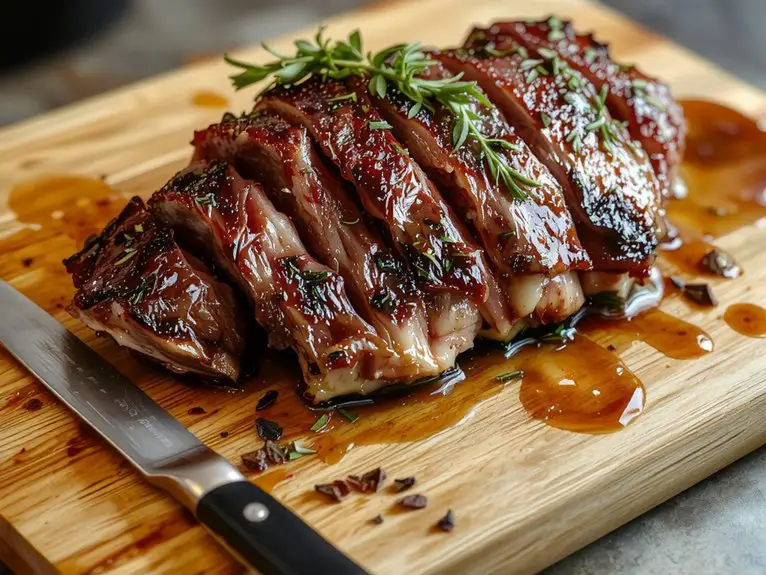
The Best Homemade Short Rib Recipe
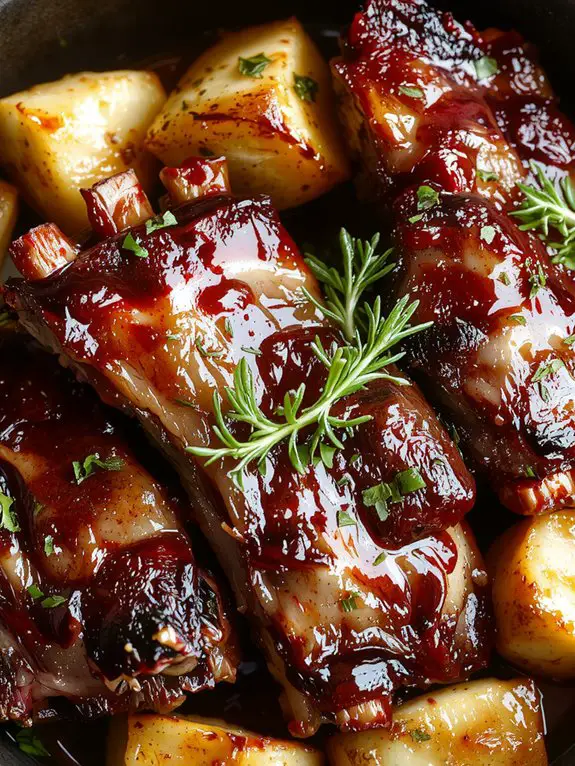
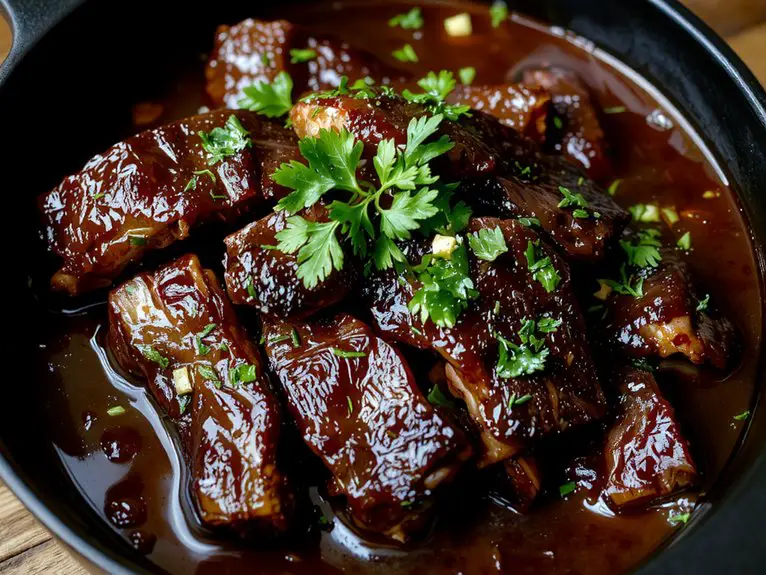
Recipe
If you’re looking for a show-stopping dish that will have everyone asking for seconds, these homemade short ribs are your answer. Imagine this: tender, fall-off-the-bone ribs braised to perfection in a rich, savory sauce that’s been simmering all day, filling your kitchen with an aroma that’s impossible to resist.
The secret? A splash of red wine and a medley of garlic, thyme, and bay leaves that transform the meat into something truly special. Imagine slicing into a rib so tender it practically melts on your fork, while the deep, complex flavors of the sauce wrap around it like a cozy blanket.
This recipe is a labor of love, sure, but one bite and you’ll know it’s worth every second. Perfect for a Sunday dinner that feels like a hug on a plate, or a dinner party where you want to impress without stressing. Trust me, these short ribs are the kind of dish that turns a meal into a memory.
Ingredients
When it comes to making the ultimate homemade short ribs, the ingredients are what set the stage for a dish that’s rich, tender, and packed with flavor. Choosing the right cuts and seasonings is key, but don’t stress—there’s room for swaps if you don’t have everything on hand. Here’s what you’ll need to create a showstopping meal with insider tips to make it foolproof.
Beef Short Ribs
- Bone-in short ribs are the star here—they add depth to the braising liquid and keep the meat extra juicy.
- Pro tip: opt for English-cut ribs for easier searing.
Oil
– Use a high smoke-point oil like avocado or grapeseed for searing. Olive oil works too, but avoid its delicate flavor being overpowered by the robust sauce.
Aromatics
– Yellow onion, garlic, and carrots form the flavor base. Don’t skimp on these—they’re non-negotiable for building that rich, savory depth.
Tomato Paste
– A couple tablespoons of tomato paste add umami and help thicken the sauce. Bonus: it caramelizes beautifully during searing.
Red Wine
– Dry red wine like Cabernet Sauvignon or Merlot adds acidity and complexity. No wine? Swap with beef broth and a splash of balsamic vinegar.
Beef Broth
– Use low-sodium beef broth to control the saltiness of the dish. Homemade stock? Even better.
Herbs
– Fresh thyme sprigs and bay leaves are must-haves for their earthy, aromatic flavor. Dry thyme works if fresh isn’t available.
Seasonings
– Kosher salt, black pepper, and a pinch of smoked paprika for a subtle smokiness. Adjust salt to taste as you go.
Flour
– A tablespoon of flour helps thicken the sauce into a luscious gravy. Cornstarch works as an alternative for a gluten-free option.
Optional Extras
– A splash of Worcestershire sauce or a dollop of Dijon mustard can elevate the flavor profile. Fresh parsley for garnish adds a pop of color and freshness.
How to Make the Best Slow-Braised Short Ribs
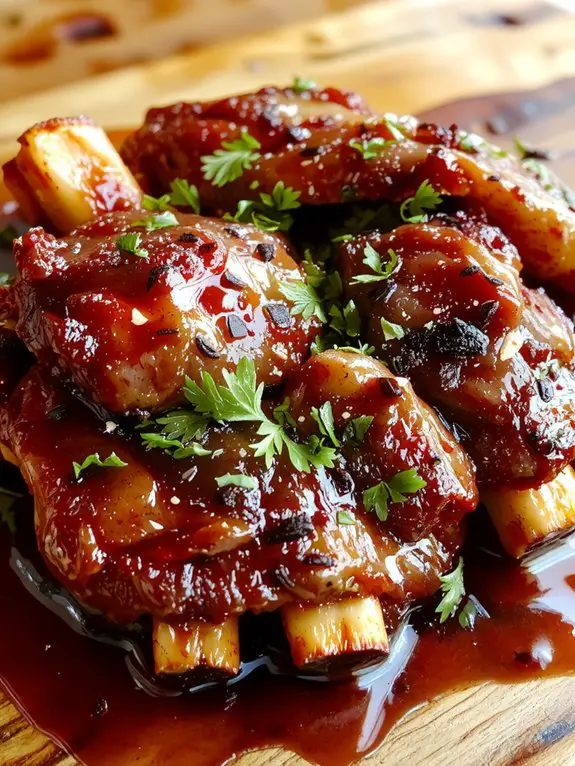
- Deglaze the pot with red wine, scraping up any remaining fond. Simmer until the wine reduces by half, which concentrates its flavor and removes harsh alcohol notes. Pro tip: Use a wine you’d enjoy drinking for the best results.
- Return the ribs to the pot and add beef broth, tomato paste, and herbs like thyme or bay leaves. The liquid should come about halfway up the ribs; adjust with more broth if needed. Why? This slow-braising method guarantees the ribs stay succulent and tender.
- Cover and braise in a low oven (around 300°F/150°C) for 2.5 to 3 hours, or until the meat is fork-tender. Visual cue: The ribs should pull apart easily with a fork but still hold their shape.
- Skim off excess fat from the braising liquid, then reduce it on the stovetop to create a rich, glossy sauce. Pro tip: For a thicker sauce, whisk in a cornstarch slurry or a bit of butter at the end.
- Serve the ribs with the reduced sauce, garnished with fresh herbs like parsley or thyme. Pair with creamy mashed potatoes or polenta to soak up all the delicious flavors. Flexibility: This dish tastes even better the next day, making it perfect for meal prep.
Nutrition
Homemade short ribs are rich in flavor and nutrients, providing a hearty meal with essential proteins and fats.
| Nutrition | Per Serving |
|---|---|
| Calories | 450 kcal |
| Protein | 32g |
| Fat | 34g |
| Carbohydrates | 4g |
| Fiber | 1g |
| Sodium | 600mg |
Chef Tips
To guarantee your short ribs turn out tender and flavorful, I recommend searing them on high heat before slow cooking. This locks in juices and creates a rich crust. Use a heavy-bottomed pot for even heat distribution.
Don’t rush the braising process—low and slow is key. Finally, skim excess fat from the sauce before serving for a cleaner taste. These steps secure restaurant-quality results every time.
Frequently Asked Questions
Can I Use a Pressure Cooker Instead of Slow-Braising?
Yes, I can use a pressure cooker for short ribs instead of slow-braising. It’ll save time while still making them tender. I’ll adjust the cooking time to about 45 minutes under pressure for a similar result.
What Sides Pair Best With Short Ribs?
I’d pair short ribs with creamy mashed potatoes or polenta to soak up the rich sauce. Roasted root vegetables or a crisp green salad with a tangy vinaigrette also balance the dish perfectly. Don’t forget crusty bread!
How Do I Store Leftover Short Ribs?
I’ll store leftover short ribs in an airtight container in the fridge for up to 3 days. If I need to keep them longer, I’ll freeze them in a freezer-safe bag or container for up to 3 months.
Can I Freeze Cooked Short Ribs?
Yes, I’ve frozen cooked short ribs before, and they hold up well. I make sure they’re cooled completely, then store them in airtight containers or freezer bags. They’ll stay good for about 2-3 months.
What Wine Works Best for Braising?
I’d recommend a full-bodied red wine like Cabernet Sauvignon or Merlot for braising; they’ve got the depth to enhance the richness of the dish. Pinot Noir’s lighter, but it’ll work if you prefer something subtler.