The Best Homemade Congee Recipe
Recipe
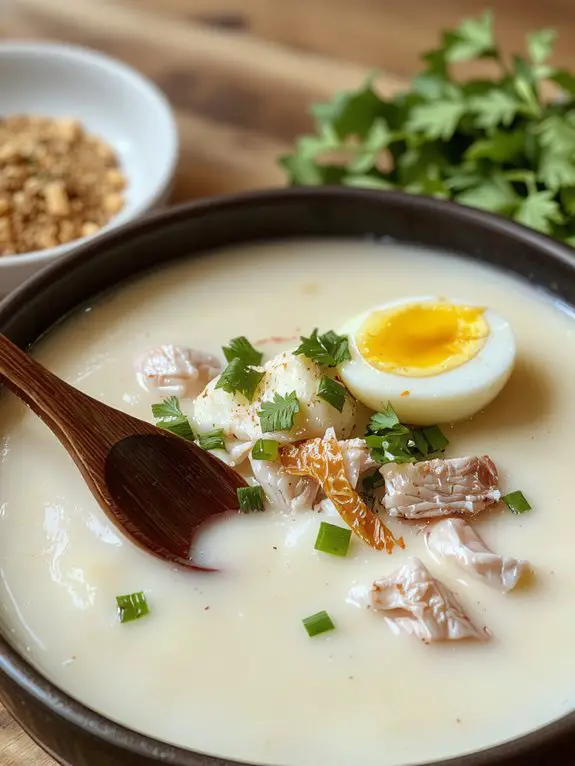
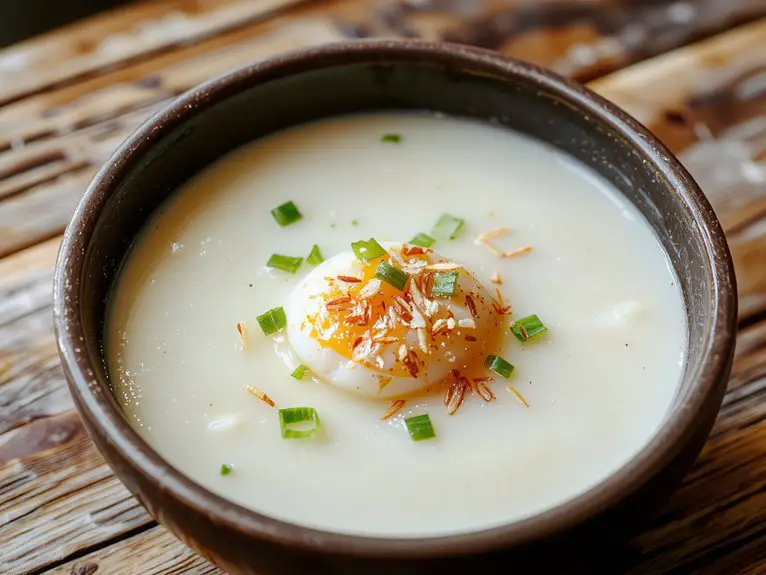
This homemade congee recipe is the ultimate comfort food you’ll want to make on repeat—it’s creamy, versatile, and downright soul-soothing. What makes it special? The secret lies in the slow simmering of rice until it breaks down into a velvety, porridge-like texture that’s both rich and satisfying.
I’ve been making this for years, whether it’s for a lazy Sunday breakfast or a healing meal when I’m under the weather, and it never fails to hit the spot. The beauty of this dish is its simplicity—just a handful of ingredients transform into something magical.
Imagine warm, silky rice infused with savory broth, topped with your favorite add-ins for a cozy, customizable experience. Trust me, once you try this, it’ll become your go-to for comfort in a bowl.
Ingredients
Congee, the ultimate comfort food, starts with simplicity. The magic lies in the ratios and the right ingredients transforming humble rice into a silky, soul-warming bowl. Here’s what you’ll need—and why each matters:
Base Ingredients
- Jasmine rice or short-grain rice: Jasmine rice creates a smoother texture, while short-grain rice gives a thicker, creamier consistency. Skip long-grain rice; it won’t break down as nicely.
- Water or stock: Water works, but chicken or vegetable stock adds depth. For a richer flavor, use a 50/50 mix of stock and water.
- Salt: Essential for seasoning—don’t skimp.
Optional Add-Ins (Customize Your Bowl)
- Ginger: Freshly grated ginger adds warmth and balances the dish. A must for savory congee.
- Garlic: Minced garlic infuses the broth with aromatic flavor.
- Green onions: A garnish that brings freshness and a pop of color.
- Protein: Poached chicken, shredded pork, or a soft-boiled egg turn it into a meal.
- Soy sauce or fish sauce: Adds umami; start with a splash and adjust to taste.
Pro Tip Substitutions
- No ginger? Use a pinch of ground ginger or skip it entirely.
- Out of stock? Enhance plain water with a dash of soy sauce or a bouillon cube.
- Prefer shortcuts? Use leftover rice for quicker cooking—just reduce the cooking time.
Non-Negotiables
- Rice: The foundation—choose the right type for your desired texture.
- Salt: Underseasoned congee is bland; taste as you go.
Little Wins
- Toasted sesame oil: Drizzle a few drops at the end for a nutty finish.
- Crispy shallots or garlic: Adds crunch and elevates the dish.
- Fresh herbs: Cilantro or Thai basil adds brightness if you’re feeling fancy.
How to Make the Best Authentic Congee Method
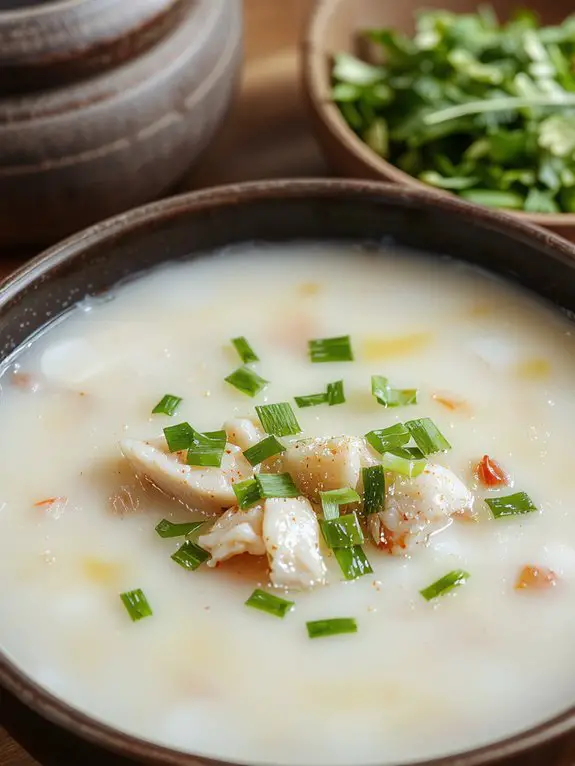
– Simmer gently, stirring occasionally, for about 1 to 1.5 hours. Patience is key here—slow cooking allows the rice to break down completely and creates a velvety texture.
Visual cue: The congee should look thick and porridge-like, with the rice grains fully dissolved.
– Season lightly towards the end of cooking. Add a pinch of salt or soy sauce to enhance the flavor without overpowering the dish.
Pro tip: For a richer taste, simmer with a piece of ginger or a few slices of scallion.
– Customize with toppings once the congee is ready. Serve it plain or garnish with your favorite additions like poached eggs, shredded chicken, or crispy fried shallots.
Flexibility: Congee can be enjoyed warm or stored in the fridge for up to 3 days—simply reheat with a splash of water to loosen.
– Adjust consistency as needed. If the congee is too thick, stir in hot water or broth until you reach your desired texture.
Watch out: Avoid adding cold water, as it can disrupt the temperature and consistency.
Nutrition
Congee is a simple and nutritious dish that can be easily customized with various toppings.
Calories: 150
Protein: 4g
Carbohydrates: 30g
Fat: 1g
Fiber: 1g
Sodium: 200mg
Chef Tips
To elevate your congee, I recommend using high-quality broth instead of water for a richer flavor. Toast your rice lightly before cooking to deepen its nuttiness.
Stir frequently to prevent sticking and guarantee a creamy texture. Add toppings like green onions, ginger, or fried garlic for extra layers of flavor.
Adjust the consistency by adding more liquid if needed—keep it simple and let the ingredients shine.
Frequently Asked Questions
Can I Freeze Leftover Congee?
Yes, you can freeze leftover congee! I freeze mine in airtight containers or freezer bags, leaving some space for expansion. When reheating, I add a splash of water to bring back the creamy texture. It keeps well for up to 3 months.
Is Congee Gluten-Free?
Congee can be gluten-free if it’s made with gluten-free ingredients like rice. I always check my broth or add-ins since soy sauce or other items might contain gluten. It’s easy to adapt to my diet.
What’s the Best Rice-To-Water Ratio for Congee?
I’ve found the best rice-to-water ratio for congee is 1:8—one part rice to eight parts water. It gives me that creamy, silky texture I love. Adjust it slightly if you prefer it thicker or thinner.
Can I Use a Slow Cooker for Congee?
I’d say you can totally use a slow cooker for congee—just set it on low for 6-8 hours. I find it’s hands-off and gives the rice time to break down into that perfect creamy texture.
How Long Does Homemade Congee Last in the Fridge?
Your homemade congee will last 3-4 days in the fridge if stored in an airtight container. I always make sure mine cools completely before refrigerating—otherwise, it spoils faster. Reheat it gently with a splash of water to loosen it up.


