The Best Homemade Pasta Carbonara Recipe
Recipe
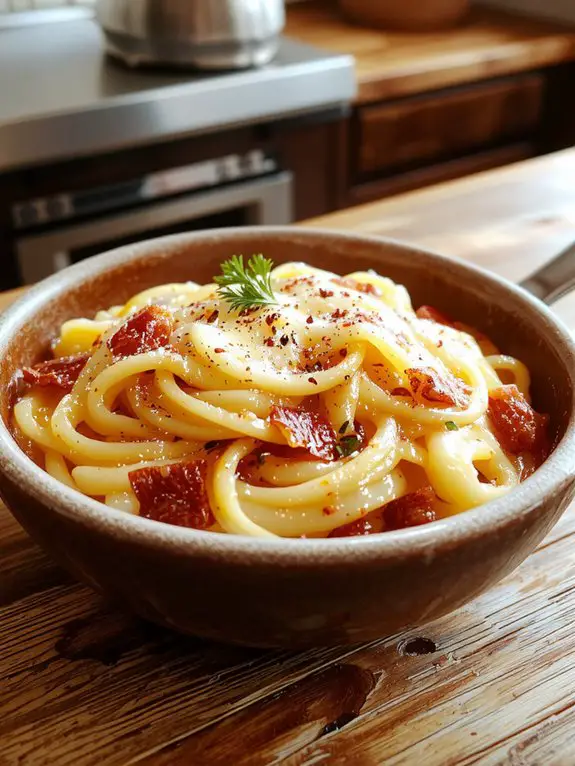
If there’s one dish that proves simplicity and flavor can go hand in hand, it’s this homemade pasta carbonara. With just a handful of ingredients—eggs, pancetta, pecorino, and pasta—this recipe delivers creamy, indulgent perfection in under 20 minutes.
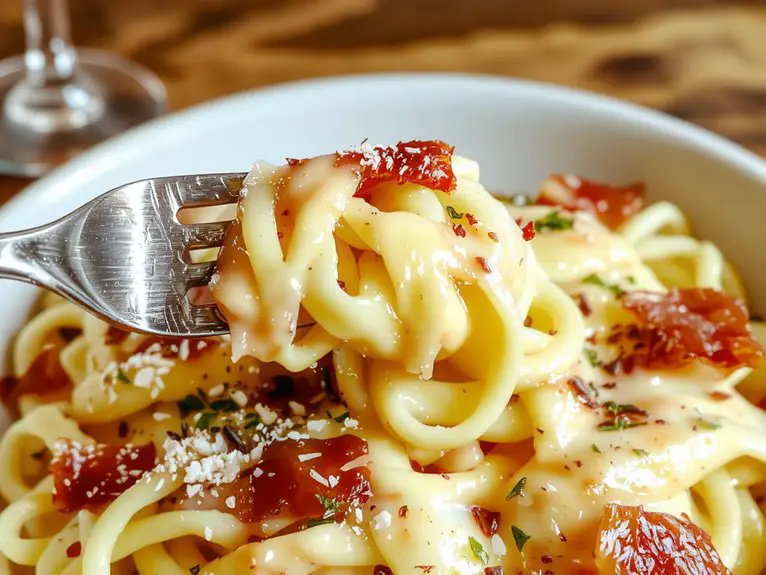
The magic lies in the technique: tossing al dente pasta with a silky egg-and-cheese sauce that clings to every strand, creating a texture that’s rich without being heavy. Crispy pancetta adds a salty, savory punch that balances the dish beautifully.
It’s the kind of meal that feels fancy but is surprisingly easy to pull off—perfect for a quick weeknight dinner or impressing guests. Trust me, once you’ve tried this version, you’ll never go back to the heavy, cream-laden imposters.
Let’s get cooking!
Ingredients
Pasta Carbonara is all about simplicity and quality ingredients—each component plays a vital role in creating that creamy, savory masterpiece. Here’s what you’ll need, along with some chef-approved tips to guarantee your dish shines.
- Spaghetti: The classic choice for carbonara—its thickness holds the sauce perfectly. No spaghetti? Linguine or fettuccine works too.
- Pancetta or Guanciale: Guanciale is traditional and adds unparalleled richness, but pancetta is a great substitute. Avoid bacon—it’s too smoky for this dish.
- Eggs: Fresh, high-quality eggs are a must—the yolks create the sauce’s silky texture.
- Pecorino Romano Cheese: Sharp and salty, this cheese is essential for authentic flavor. Parmesan can sub in if needed, but Pecorino is worth seeking out.
- Black Pepper: Freshly cracked pepper is non-negotiable—it’s the backbone of carbonara’s flavor.
- Garlic (optional): Not traditional, but a clove adds depth if you like extra flavor.
- Salt: For seasoning the pasta water—critical for flavoring the noodles.
- Olive Oil: Just a drizzle to cook the pancetta—don’t overdo it, as the fat from the meat does most of the work.
- Parsley (optional): For a fresh garnish that brightens the dish.
Pro tip: Prep everything before cooking—carbonara comes together fast, and timing is key.
Fresh ingredients make all the difference here—don’t skimp!
How to Make the Best Authentic Egg-Based Carbonara
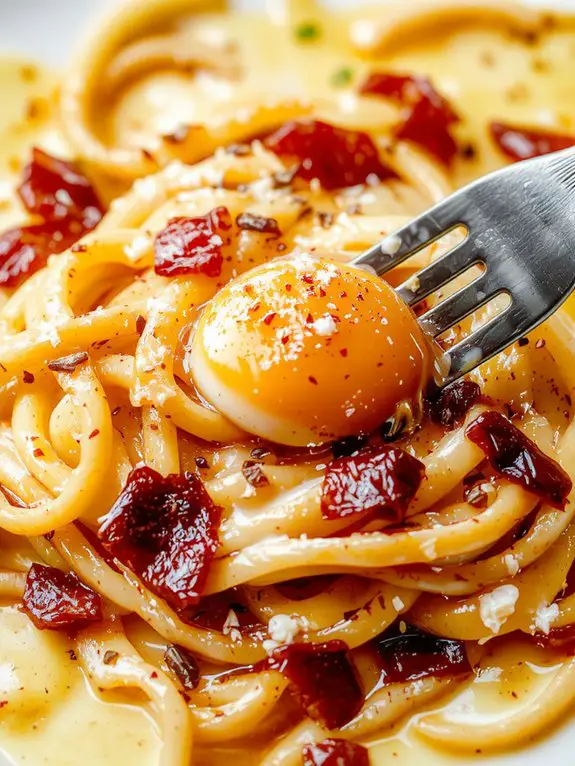
Cook the Pancetta: Start by heating a large skillet over medium heat. Add diced pancetta and cook until crispy and golden brown, about 6–8 minutes. Remove the pancetta with a slotted spoon and set aside, leaving the rendered fat in the skillet. The pancetta fat is essential for flavoring the sauce, so don’t discard it.
Boil the Pasta: Meanwhile, bring a large pot of salted water to a boil. Cook spaghetti (or your preferred pasta) until al dente, about 1 minute less than the package instructions. Reserve 1 cup of pasta water before draining. Al dente pasta guarantees it won’t become mushy when combined with the sauce.
Prepare the Sauce Base: In a medium bowl, whisk together 3 large eggs, 1 cup of freshly grated Pecorino Romano cheese, and freshly cracked black pepper. This mixture will create the creamy sauce, so whisk until smooth and well combined. The cheese adds saltiness, so taste before adding additional salt.
Combine Pasta and Sauce: Add the drained pasta to the skillet with the pancetta fat over low heat. Quickly toss the pasta to coat it evenly in the fat. Remove the skillet from the heat to prevent the eggs from scrambling. Slowly pour in the egg and cheese mixture, tossing constantly to create a glossy, creamy sauce.
Adjust Consistency: If the sauce feels too thick, add reserved pasta water, 1 tablespoon at a time, until it reaches your desired consistency. The pasta water helps emulsify the sauce and binds everything together.
Add Pancetta Back In: Stir the crispy pancetta back into the pasta, confirming it’s evenly distributed. This adds a savory, salty crunch to every bite.
Serve Immediately: Plate the pasta immediately and garnish with additional Pecorino Romano cheese and black pepper. Carbonara is best enjoyed fresh, as the sauce can thicken over time.
Pro Tip: Always use room temperature eggs to guarantee a smooth, creamy sauce without any clumps. Cold eggs can chill the pasta and make the sauce difficult to emulsify.
Watch-Out Warning: Avoid adding garlic or cream—authentic carbonara relies on eggs, cheese, pancetta, and pasta water for its signature texture and flavor. Cream will make the dish heavy, and garlic can overpower the delicate balance of ingredients.
Visual Cue: Success looks like a silky, glossy sauce clinging to each strand of pasta. If the sauce looks grainy or scrambled, you likely added the eggs while the skillet was too hot.
Flexibility: If you can’t find pancetta, thick-cut bacon is a suitable substitute. Adjust the amount of cheese and pepper to your taste preferences for a personalized touch.
Nutrition
This homemade Pasta Carbonara recipe offers a balanced mix of essential nutrients.
| Nutrient | Amount per Serving |
|---|---|
| Calories | 450 |
| Protein | 18g |
| Carbohydrates | 42g |
| Fat | 22g |
| Saturated Fat | 10g |
| Cholesterol | 120mg |
| Sodium | 450mg |
| Fiber | 2g |
| Sugar | 3g |
Chef Tips
Even though carbonara seems simple, I’ve learned that perfecting it requires a few key tricks.
Always use freshly grated Pecorino Romano for authentic flavor.
Reserve starchy pasta water to create a creamy sauce without cream.
Cook the eggs gently to avoid scrambling; remove the pan from heat before adding them.
Toss everything quickly to emulsify.
Timing is everything—serve immediately for the best texture and taste.
Frequently Asked Questions
Can I Use Milk Instead of Eggs?
I wouldn’t use milk instead of eggs because carbonara relies on eggs to create its creamy sauce. Milk won’t thicken the same way, and you’ll lose that signature richness and flavor. Stick with eggs for authenticity.
Is It Safe to Eat Raw Eggs?
I wouldn’t risk eating raw eggs unless they’re pasteurized—there’s a small chance of salmonella. If I’m making carbonara, I’d use fresh eggs from a trusted source and mix them hot pasta to cook them slightly.
Can I Substitute Pancetta for Bacon?
Yes, I can substitute pancetta for bacon. They’re similar, but pancetta’s milder and less smoky. I’d use it the same way, but I’ll adjust seasoning since bacon’s saltier. It’ll still taste great in my dish.
How Do I Store Leftover Carbonara?
I’d store leftover carbonara in an airtight container in the fridge for up to two days. Avoid reheating it in the microwave; I’d gently warm it in a pan with a splash of water to prevent drying.
Can I Use Gluten-Free Pasta?
Yes, you can use gluten-free pasta—I’ve done it myself. Just cook it al dente since it can get mushy fast. The sauce will still cling to it, but watch the texture when mixing.


