The Best Homemade Thai Tea Recipe

Recipe
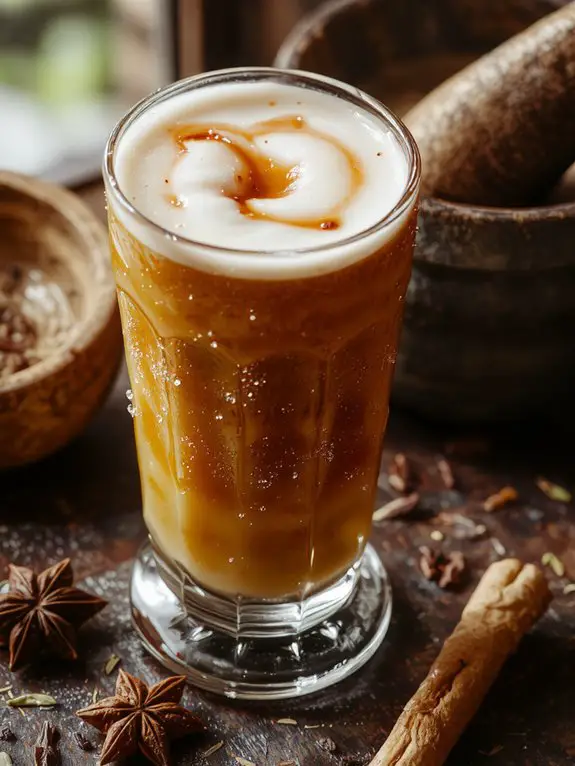
I can confidently say this homemade Thai tea will blow your mind—it’s creamy, fragrant, and tastes like the real deal you’d get at your favorite Thai restaurant. The secret? A blend of bold black tea, aromatic spices like star anise and cardamom, and just a hint of vanilla sweetness.
Perfectly balanced with creamy condensed milk, this drink is a velvety, amber-hued masterpiece that’s both invigorating and indulgent. Trust me, once you try making it at home, you’ll never settle for store-bought again.
It’s easier than you think, and the aroma alone will transport you straight to Bangkok. Let’s get brewing!
Ingredients
Making the perfect homemade Thai tea starts with the right ingredients—each one plays a vital role in capturing that signature creamy, aromatic, and slightly spiced flavor. While some elements are non-negotiable for authenticity, others can be swapped or adjusted to suit your pantry. Here’s what you’ll need to craft this iconic drink:
- Thai Tea Leaves: The heart of this recipe—opt for a high-quality brand like *Number One Brand*. These leaves give the tea its vibrant orange hue and distinct floral, vanilla-like flavor. Don’t skip this or substitute with regular black tea.
- Water: Freshly boiled water is essential for steeping the tea leaves properly—use filtered water for the best taste.
- Sweetened Condensed Milk: This adds creaminess and sweetness. If you’re out of it, you can use evaporated milk with sugar, though it won’t be as rich.
- Whole Milk: For that silky finish, whole milk works best. Sub with coconut milk or a non-dairy alternative if needed.
- Sugar: Adjust to your sweetness preference. Palm sugar or cane sugar can be used for a more authentic touch.
Pro Tips:
- Straining the tea through a fine mesh or cheesecloth is key to avoiding gritty bits from the tea leaves.
- For an extra indulgent twist, add a splash of heavy cream to the final mix.
- Let the tea cool before adding milk to prevent it from curdling.
These ingredients, combined with a little patience, will reward you with a glass of Thai tea that’s as good as—if not better than—what you’d find at your favorite Thai restaurant.
How to Make the Best Authentic Thai Tea Recipe
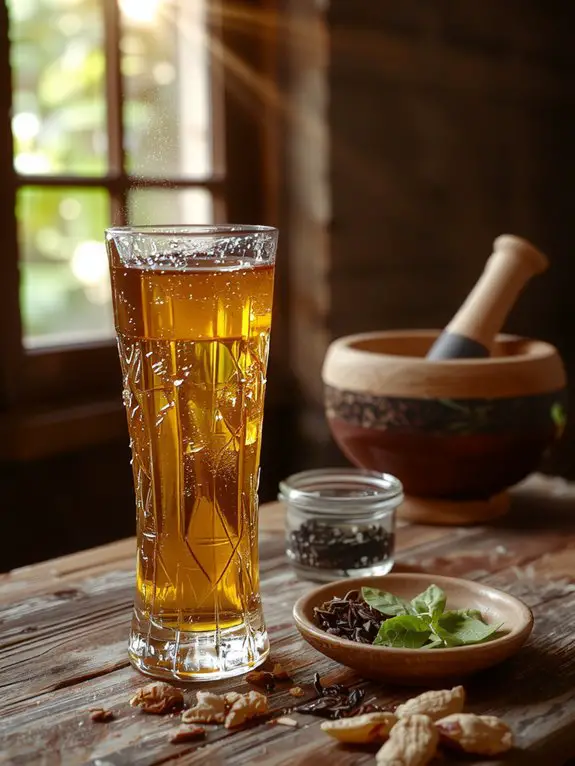
– Steep the tea leaves: Boil 4 cups of water and add 1 cup of Thai tea leaves (or 6-8 tea bags). Let steep for 5 minutes—this extracts the bold flavor and vibrant color.
*Pro tip*: Use a fine-mesh strainer or cheesecloth to avoid gritty bits in your tea.
– Sweeten while hot: Stir in ½ cup of granulated sugar (or adjust to taste) right after straining the tea.
The heat helps dissolve the sugar completely, ensuring a balanced sweetness.
*Watch out*: Skip this step, and your tea might taste unevenly sweet when chilled.
– Cool to room temperature: Let the tea sit for 15-20 minutes before refrigerating.
Rushing this can dilute flavors when you add ice later.
*Time-saving trick*: Pour the tea into a shallow container to speed up cooling.
– Prepare the creamy layer: In a glass, fill halfway with ice, then pour the chilled tea until ¾ full.
Slowly top with 2-3 tablespoons of evaporated milk or coconut milk—it’ll create that signature layered look.
*Visual cue*: The milk should float on top like a sunset!
– Mix gently (or not): Stir just before drinking to blend the sweetness and creaminess, or sip it layered for contrasting flavors.
*Flexibility*: Swap dairy for condensed milk for extra richness, or almond milk for a lighter version.
– Serve immediately: Thai tea is best fresh over ice.
*Pro tip*: Make a big batch of tea base ahead, but add milk and ice only when serving to prevent watering down.
Nutrition
Thai tea is a flavorful and aromatic beverage that can be enjoyed hot or cold. Here’s the nutritional breakdown for a typical serving of homemade Thai tea.
| Nutrient | Amount per Serving |
|---|---|
| Calories | 200 kcal |
| Total Fat | 7 g |
| Saturated Fat | 4 g |
| Cholesterol | 20 mg |
| Sodium | 30 mg |
| Total Carbohydrate | 30 g |
| Sugars | 25 g |
| Protein | 2 g |
Chef Tips
When preparing homemade Thai tea, I find that using high-quality tea leaves makes all the difference in achieving an authentic flavor.
I always steep the tea in hot water for at least 5 minutes to extract its full richness.
Adding a pinch of salt enhances the sweetness without overpowering it.
For creaminess, I use evaporated milk or coconut milk.
Adjust sweetness with condensed milk to taste.
Frequently Asked Questions
Can I Make Thai Tea Without Condensed Milk?
Yes, you can make Thai tea without condensed milk. I’d use coconut milk or evaporated milk instead—they’re lighter but still creamy. If you want it sweeter, just add sugar or honey to taste. It’ll still taste great.
Is Thai Tea the Same as Chai Tea?
No, Thai tea isn’t the same as chai tea. Thai tea’s sweet and creamy with spices like star anise, while chai’s spicier with ginger and cardamom. I prefer Thai tea’s smoothness, but it’s all about taste.
How Long Does Homemade Thai Tea Last?
Homemade Thai tea lasts up to 5-7 days in the fridge if I keep it in an airtight container. If I add milk, I’ll drink it within 2-3 days to avoid spoilage. Always check for freshness first.
Can I Use Almond Milk Instead of Regular Milk?
Yes, I can use almond milk instead of regular milk in my Thai tea. It’s a great dairy-free option that adds a slightly nutty flavor, but I’ll adjust the sweetness since almond milk can vary in taste.
What Is the Difference Between Thai Tea and Bubble Tea?
Thai tea’s a spiced black tea with creamy sweetness, while bubble tea’s any tea mixed with milk or flavors and chewy tapioca pearls. I’d say the key difference’s the tapioca—it’s what makes bubble tea unique.


