The Best Homemade Philadelphia Cheesecake Recipe
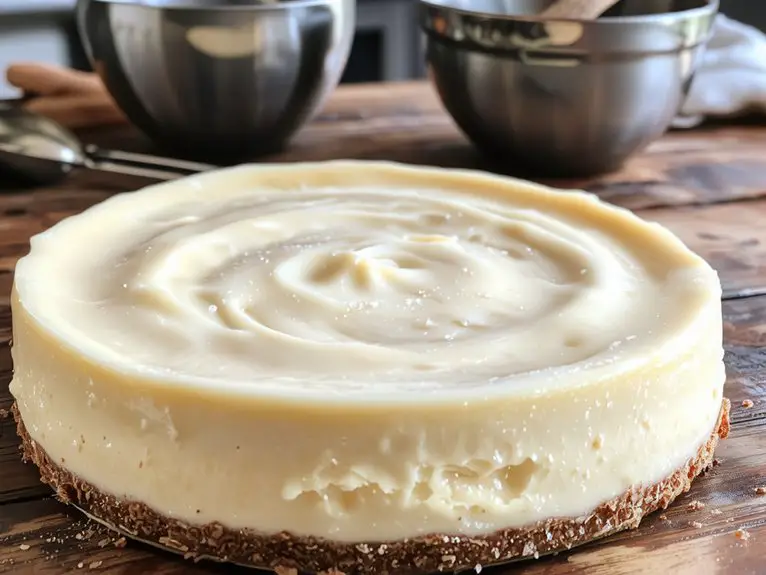
Recipe
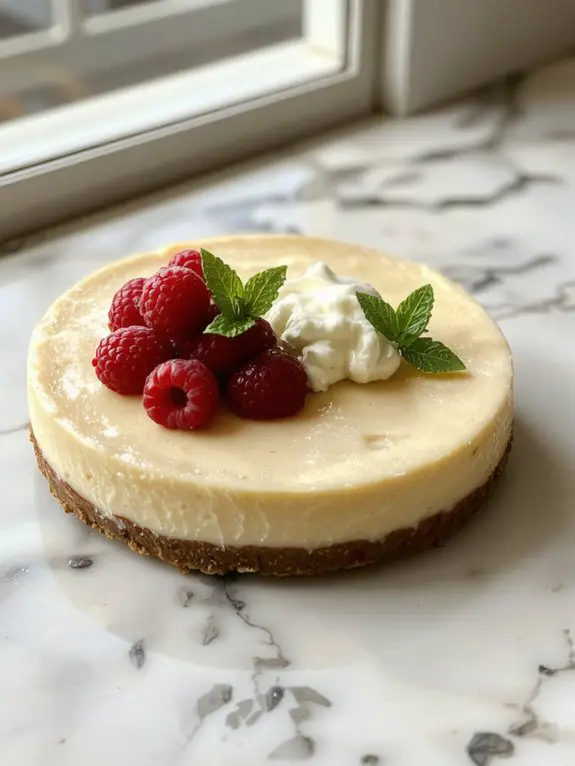
This Philadelphia cheesecake is the one recipe you’ll come back to time and time again, trust me. It’s creamy, velvety, and has that perfect balance of tangy and sweet that makes it downright irresistible.
What sets it apart? The simplicity of using Philadelphia cream cheese—it’s smooth texture and rich flavor make all the difference. Plus, no water bath required, which means less fuss and more time enjoying every bite.
I’ve made this countless times for family gatherings, and it’s always the first dessert to disappear. Imagine a buttery graham cracker crust giving way to a luxuriously smooth filling that melts in your mouth—it’s pure indulgence without being overly heavy.
Whether you’re a baking pro or a beginner, this cheesecake is foolproof and guaranteed to impress. Let’s get started—your taste buds are in for a treat!
Ingredients
Crafting the perfect Philadelphia cheesecake starts with selecting the right ingredients—each one plays a vital role in achieving that creamy, velvety texture and rich flavor. Here’s what you’ll need, along with some insider tips to guarantee your cheesecake is a showstopper.
- Cream cheese (32 oz, full-fat): The star of the show. Philadelphia brand is ideal for its smooth consistency and richness—don’t skimp here.
- Granulated sugar (1 cup): For the perfect balance of sweetness without overpowering the tangy cream cheese.
- Eggs (3 large, room temperature): They bind the filling and give it structure. Cold eggs can cause cracks, so let them sit out beforehand.
- Sour cream (1 cup): Adds a luxurious tanginess and creaminess to the filling. Greek yogurt can work as a substitute in a pinch.
- Vanilla extract (1 tsp): Enhances the flavor profile. Use pure vanilla for the best results.
- Graham cracker crumbs (1 ½ cups): The classic base. For a twist, try using digestive biscuits or add a pinch of cinnamon.
- Butter (6 tbsp, melted): Binds the crust and gives it that buttery, crumbly texture. Salted or unsalted works—just adjust the seasoning accordingly.
- Lemon zest (½ tsp, optional): A little goes a long way to brighten up the flavor. Fresh is best!
- Salt (¼ tsp): Balances the sweetness and enhances all the flavors.
- Optional garnish: Fresh berries, whipped cream, or a drizzle of salted caramel for a professional finish.
Stick to full-fat ingredients for the creamiest texture, and always bring your cream cheese and eggs to room temperature for a smooth, even batter.
While substitutions can work, the quality of your ingredients will make or break this classic dessert.
How to Make the Best Philadelphia Cheesecake Instructions
- Pour the filling over the crust. Use a spatula to smooth the top. Tap the pan gently on the counter to release any air bubbles, which can create unsightly holes in the finished cheesecake.
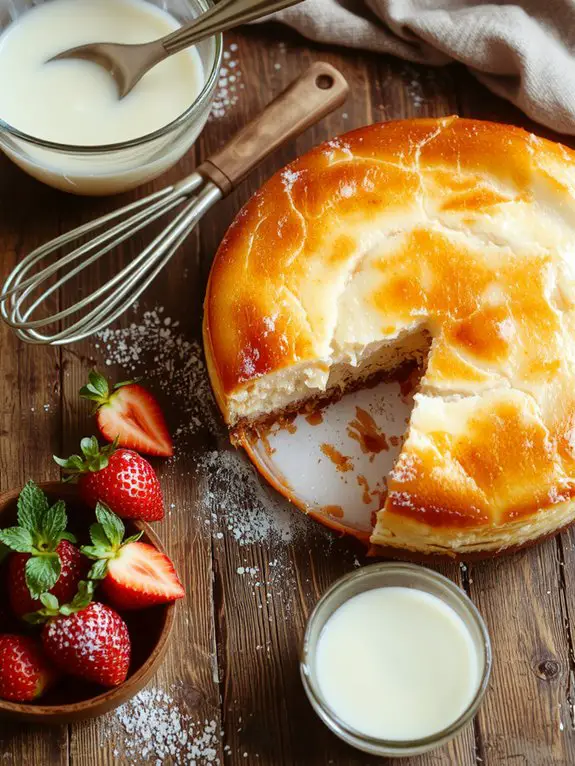
- Bake the cheesecake. Place it in the preheated oven and bake for about 45-55 minutes, or until the edges are set but the center still jiggles slightly when you gently shake the pan. This jiggle is normal—it will firm up as it cools.
- Cool the cheesecake slowly. Turn off the oven, crack the door open, and let the cheesecake cool inside for about an hour. This gradual cooling helps prevent cracks.
- Then, transfer it to a wire rack to cool completely.
- Chill before serving. Refrigerate the cheesecake for at least 4 hours, or overnight, to allow it to set fully. This step is essential for the perfect creamy texture.
- Serve and enjoy. Run a knife around the edge of the pan to loosen the cheesecake before removing the springform ring. Slice with a clean, sharp knife dipped in hot water for clean cuts.
Pro Tip: For extra insurance against cracks, place a pan of hot water on the lower rack of the oven while baking. The steam helps maintain moisture and prevents the surface from drying out.
Watch Out: Avoid overbaking! Overbaked cheesecake will lose its creamy texture and may crack. The center should still have a slight jiggle when you remove it from the oven.
Nutrition
Philadelphia cheesecake is a rich and creamy dessert that offers a delightful balance of sweetness and tanginess. Below is the detailed nutritional information for a standard serving size.
| Nutrient | Amount per Serving |
|---|---|
| Calories | 257 kcal |
| Total Fat | 18 g |
| Saturated Fat | 10 g |
| Cholesterol | 85 mg |
| Sodium | 180 mg |
| Total Carbohydrates | 20 g |
| Sugars | 15 g |
| Protein | 5 g |
Chef Tips
Getting the texture just right is what makes a great cheesecake. I always use room-temperature cream cheese—it blends smoother.
Don’t overmix the batter; it introduces air and causes cracks. Bake in a water bath for even heat.
Let it cool gradually in the oven with the door slightly open. Chill overnight for the perfect set. These small steps make all the difference.
Frequently Asked Questions
How Long Can I Store the Cheesecake in the Fridge?
I can store my cheesecake in the fridge for up to 5 days if it’s tightly covered with plastic wrap or in an airtight container. It’ll stay fresh, but I’d avoid keeping it longer to prevent spoilage.
Can I Freeze the Cheesecake for Later Use?
Yes, you can freeze the cheesecake for later! Wrap it tightly in plastic wrap and foil, then store it in an airtight container. It’ll keep for up to 2 months—just thaw it overnight in the fridge before serving.
What’s the Best Way to Prevent Cracks on Top?
I’ll tell you how I prevent cracks—I avoid overmixing the batter, bake it in a water bath, and let it cool slowly in the oven with the door cracked. Never skip the sour cream; it helps, too.
Can I Use a Different Crust Instead of Graham Crackers?
I’d say you can definitely use a different crust—try crushed cookies, pretzels, or even nuts mixed with butter. Just make sure it’s packed tightly so it holds up when you slice the cheesecake.
Is It Necessary to Use a Water Bath for Baking?
I don’t always use a water bath, but it helps prevent cracks and guarantees even baking. If I skip it, I’ll lower the oven temp and bake slower; it still works, but the texture’s less creamy.