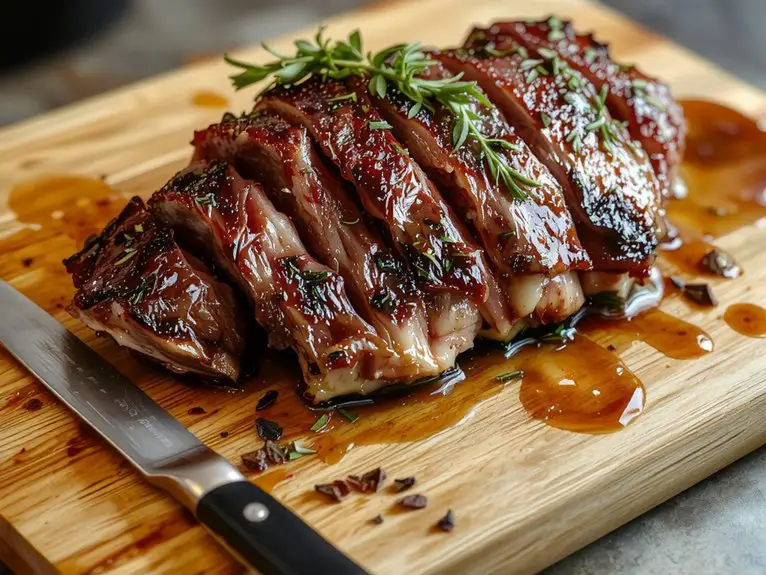
The Best Homemade Rib Roast Recipe
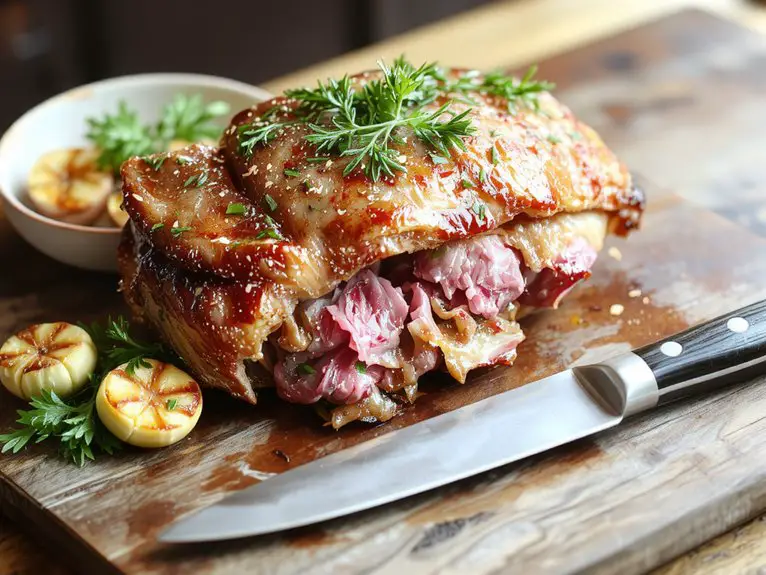
Recipe
Let me tell you, this Homemade Rib Roast is the showstopper of all holiday meals—trust me, it’s foolproof and guaranteed to impress.
What makes it special? A perfectly seasoned crust that locks in all the juiciness, paired with a simple yet powerful rosemary-garlic rub that elevates every bite.
I’ve been making this for years, and it’s always the star of the table—everyone goes back for seconds (and thirds!).
Imagine slicing into a tender, medium-rare roast with a golden, herb-speckled exterior that’s fragrant and irresistible.
Don’t let the elegance fool you—this recipe is straightforward, even for first-timers.
Once you try it, you’ll understand why it’s my go-to for any special occasion.
Let’s get roasting!
Ingredients
Start with a high-quality rib roast—this is the star of the show, so don’t skimp. The right ingredients will elevate this dish from good to unforgettable. Here’s what you’ll need:
- Bone-in rib roast (4-6 lbs): Opt for prime grade if possible; the marbling guarantees juiciness and flavor. A boneless cut works too, but bones add extra richness during cooking.
- Coarse kosher salt: Essential for seasoning. It draws out moisture, creating a flavorful crust. Table salt can be used, but reduce the quantity by half.
- Freshly ground black pepper: Adds depth and a subtle spice. Pre-ground pepper lacks the punch, so grind it yourself.
- Garlic cloves (4-6, minced): Fresh garlic brings aromatic warmth. Jarred minced garlic can substitute, but fresh is best.
- Fresh rosemary (2-3 sprigs, chopped): This herb pairs beautifully with beef. Dried rosemary works in a pinch, but use half the amount.
- Fresh thyme (2-3 sprigs, chopped): Adds earthy notes. Dried thyme is an alternative, but fresh herbs shine here.
- Extra virgin olive oil (2 tbsp): Helps the seasonings adhere to the roast. Use avocado oil if preferred—it has a higher smoke point for searing.
- Unsalted butter (4 tbsp): Rubbed over the roast post-cooking for a rich, glossy finish. Salted butter works, but adjust seasoning accordingly.
- Optional: Red wine or beef broth (1 cup) for a decadent pan sauce.
Pro Tip: Let the roast sit at room temperature for 1-2 hours before cooking. This secures even cooking and a tender result.
Little Win: Garnish with fresh herbs or serve with horseradish cream for an extra wow factor.
How to Make the Best Classic Rib Roast Recipe
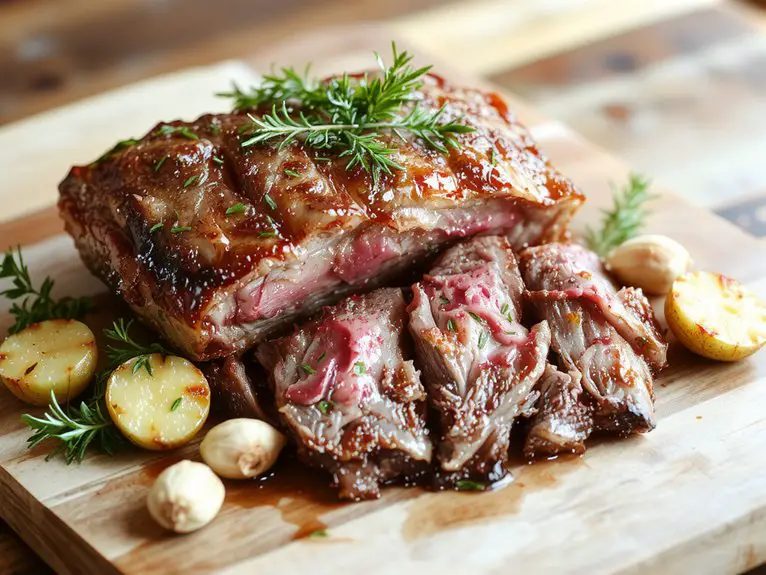
- Reduce the oven temperature to 325°F (163°C) and continue roasting – Lower heat maintains uniform cooking without drying out the meat.
- Cook for about 15 minutes per pound, or until the internal temperature reaches your desired doneness (120°F for rare, 130°F for medium-rare).
- Use a meat thermometer to check the internal temperature – Insert it into the thickest part of the roast, avoiding bones or fat. This maintains precision and prevents overcooking.
- Remove the roast from the oven and tent it loosely with foil – Letting it rest for 20-30 minutes allows the juices to redistribute, maintaining a moist and tender result.
- Carve against the grain for ideal tenderness – Cutting against the shortens the muscle fibers, making each slice easier to chew.
- Serve immediately – Pair with your favorite sides like roasted vegetables, mashed potatoes, or Yorkshire pudding for a classic meal.
Pro Tip: For extra flavor, rub the roast with minced garlic, rosemary, and thyme before seasoning.
Watch-Out Warning: Avoid opening the oven door frequently, as this can cause temperature fluctuations and slow down cooking. Peek only when necessary!
Nutrition
This rib roast is a hearty dish packed with protein and essential nutrients. Here’s the nutritional breakdown per serving.
| Nutrient | Amount per Serving |
|---|---|
| Calories | 450 kcal |
| Protein | 35g |
| Fat | 30g |
| Carbohydrates | 0g |
| Cholesterol | 120mg |
| Sodium | 80mg |
Chef Tips
While preparing a rib roast might seem intimidating, I’ve found a few tricks that make it easier and guarantee great results.
Always bring the roast to room temperature before cooking—it promotes even doneness.
Use a meat thermometer to avoid overcooking; I aim for 135°F for medium-rare.
Rest the roast for 15-20 minutes after cooking to lock in juices.
Patting the surface dry before seasoning helps achieve a perfect crust.
Frequently Asked Questions
Can I Cook Rib Roast in a Slow Cooker?
I wouldn’t recommend cooking rib roast in a slow cooker because it’s best when roasted to develop a crispy crust and tender interior. Slow cooking might make it too soft and less flavorful.
How Do I Store Leftover Rib Roast?
I’ll wrap leftover rib roast tightly in foil or plastic wrap and refrigerate it for up to 3 days. For longer storage, I’ll slice it, seal it in an airtight bag, and freeze it for 2 months.
What’s the Best Wine Pairing for Rib Roast?
If I were pairing wine with rib roast, I’d grab a bold red like Cabernet Sauvignon or Malbec—their richness complements the meat’s savory flavors. A full-bodied Pinot Noir works if I want something smoother. Cheers!
Can Rib Roast Be Frozen Before Cooking?
Yes, I can freeze rib roast before cooking it. I’d wrap it tightly in plastic or foil and store it in an airtight bag or container to prevent freezer burn. It’ll keep for several months.
Is Rib Roast Safe for a Low-Sodium Diet?
I’d say rib roast can fit a low-sodium diet if you skip added salt and use herbs or spices instead. Just check the meat’s natural sodium content and avoid pre-seasoned cuts to keep it heart-healthy.