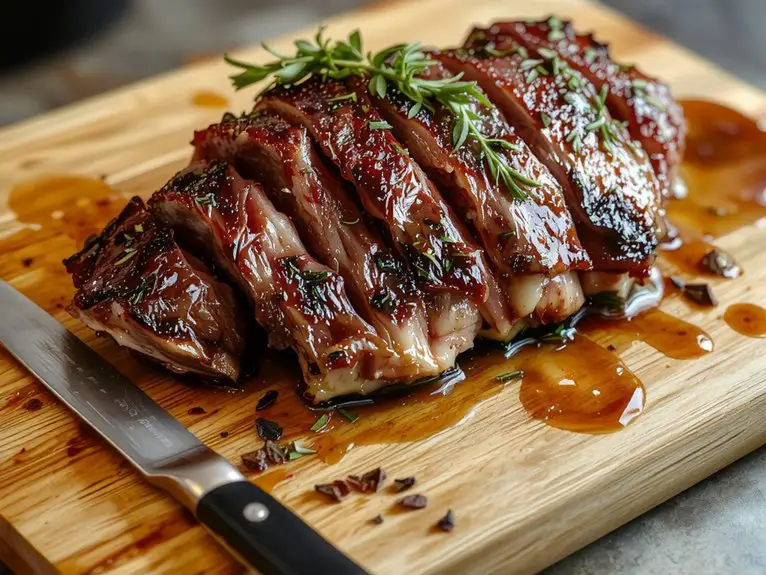
The Best Homemade Gyro Meat Recipe
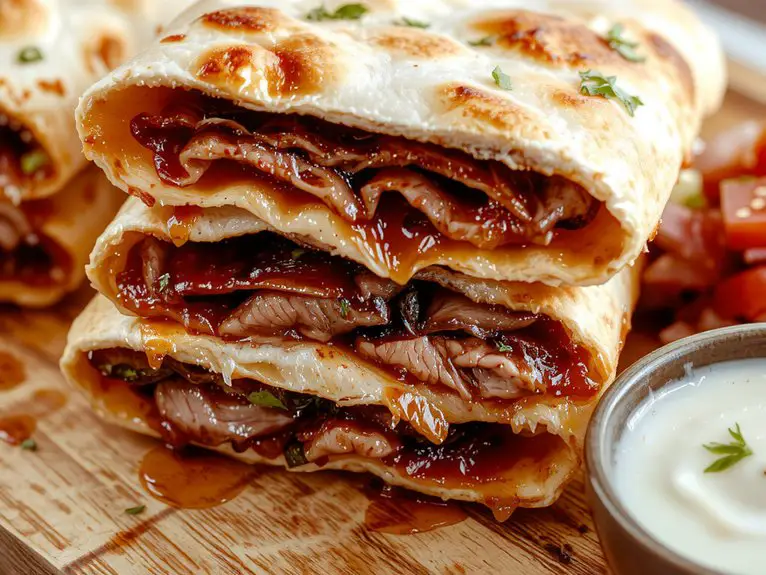
Recipe
Absolutely nothing beats the flavor of homemade gyro meat—it’s juicy, tender, and packed with spices that transport you straight to the streets of Athens. This recipe is a game-changer because it skips the mystery of store-bought gyro cones and puts YOU in control of the flavors.
Imagine this: a blend of ground lamb and beef (or your favorite protein) seasoned with garlic, oregano, and smoky paprika, then roasted to perfection until it’s crispy on the edges and melt-in-your-mouth tender inside.
The secret? A quick pulse in the food processor to bind it all together, ensuring every slice holds up beautifully. Whether you’re wrapping it in warm pita, piling it high on salads, or just snacking straight from the tray, this gyro meat is so good, you’ll wonder why you ever settled for less. Trust me, once you try it, there’s no going back.
Ingredients
Creating the perfect homemade gyro meat starts with choosing the right ingredients. The blend of spices, the type of meat, and even the fat content can make or break the flavor and texture. Here’s what you’ll need to nail that authentic gyro taste:
- Ground lamb or beef (80/20 fat ratio): The fat is essential for juiciness. If you’re feeling adventurous, try a mix of both meats for a richer flavor.
- Garlic cloves: Fresh garlic adds depth—don’t skimp here. Powder won’t cut it!
- Onion: Finely grated for moisture. Yellow onions work best, but white onions are a fine substitute.
- Dried oregano: This herb is non-negotiable for that classic gyro flavor. Greek oregano is ideal if you can find it.
- Ground cumin: Adds warmth and earthiness. Don’t skip it!
- Paprika: Sweet *and* smoked paprika work, but smoked adds a hint of complexity.
- Salt and black pepper: Balance the spices and enhance the meat’s natural flavor.
- Olive oil: Helps bind the mixture and keeps it moist.
Optional Extras:
- Red wine vinegar or lemon juice: A splash brightens the flavor.
- Fresh parsley: Adds a fresh, herbaceous note if you’re garnishing.
Pro Tip: For the best texture, chill the mixture before shaping it. This helps the flavors meld and makes it easier to slice thinly later.
Substitutions: No lamb? Use beef or even chicken thighs for a leaner option. Just add a bit more olive oil for moisture.
Little Wins: Serve with tzatziki, pita bread, and a sprinkle of fresh parsley for that “straight-from-the-street-food-cart” vibe.
How to Make the Best Authentic Greek Gyro Meat
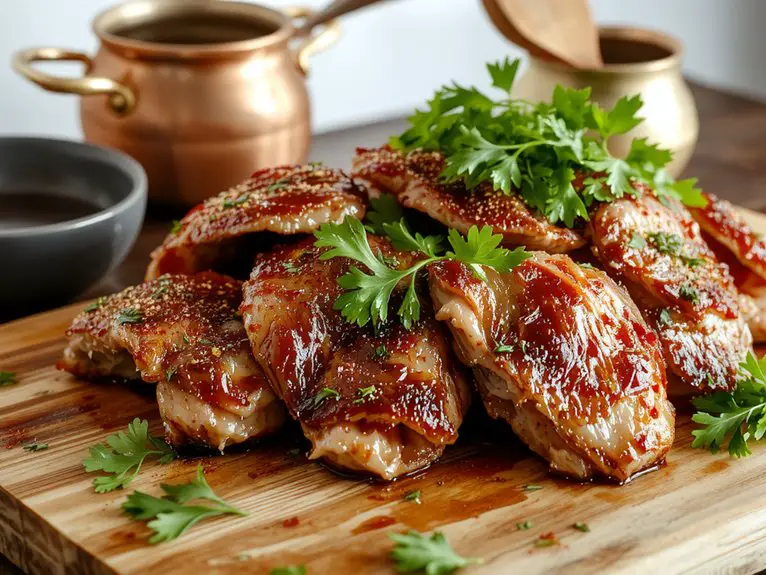
- Bake for 45-60 minutes, flipping halfway through – This guarantees even cooking and browning. Check for doneness with a meat thermometer; it should read 160°F (71°C) for safe consumption.
- Let it rest for 10 minutes before slicing – Resting allows the juices to redistribute, keeping the meat moist and flavorful. Slice thinly against the grain for the perfect Gyro texture.
- Optional: Pan-fry slices for extra crispiness – If you prefer a crispy exterior, quickly fry the slices in a hot skillet with a touch of olive oil. This step adds a delicious texture while enhancing the flavor.
- Serve warm with pita bread, tzatziki, and fresh toppings – Gyro meat shines when paired with cool tzatziki, crisp lettuce, tomatoes, and onions. Warm the pita briefly for a soft, pliable wrap.
- Store leftovers in an airtight container for up to 3 days – Gyro meat reheats well in the oven or skillet. Add a splash of water or broth to keep it moist when reheating.
- Freeze for longer storage – Wrap tightly in plastic wrap or foil, then place in a freezer-safe bag. Thaw in the refrigerator before reheating for best results.
Nutrition
Homemade gyro meat offers a flavorful and protein-packed meal option. Below is the nutritional information per serving.
| Calories | Protein | Fat | Carbohydrates | Sodium | Cholesterol |
|---|---|---|---|---|---|
| 250 | 20g | 15g | 10g | 500mg | 75mg |
Chef Tips
To get the best flavor and texture for your gyro meat, I recommend using a mix of ground lamb and beef—it’s what gives that authentic taste.
Don’t skip blending with spices and breadcrumbs; they bind everything and add depth.
Chill the mixture before shaping—it’s easier to handle. Cook over medium heat to avoid drying it out. Slice thinly for serving—you’ll nail that classic gyro feel.
Frequently Asked Questions
Can I Use Lamb Instead of Beef?
I’d absolutely use lamb instead of beef—it’s traditional for gyros and gives that authentic flavor. I’ve swapped them before, and lamb’s richer taste works perfectly. Just keep the seasonings and cooking method the same.
How Do I Store Leftover Gyro Meat?
I’d store leftover gyro meat in an airtight container or tightly wrapped in foil, then refrigerate it for up to 3 days. If I want it longer, I’ll freeze it for up to 2 months.
Can I Make This Recipe Gluten-Free?
Yes, you can make this recipe gluten-free. I’d swap regular breadcrumbs for gluten-free ones or try almond flour. Just double-check all spices and seasonings to confirm they’re gluten-free, and you’re good to go.
What Sides Pair Best With Gyro Meat?
I’d pair gyro meat with warm pita bread, crisp cucumber-tomato salad, or creamy tzatziki sauce. Roasted veggies or lemon rice also work well. It’s all about balancing flavors and textures while keeping things fresh and hearty.
Can I Cook Gyro Meat in an Air Fryer?
I’ve cooked gyro meat in an air fryer before, and it works great! Just slice it thin, cook at 375°F for 8-10 minutes, flipping halfway. It gets crispy edges while staying juicy inside—perfect for pita wraps.