The Best Homemade Baked Spaghetti Recipe
Recipe
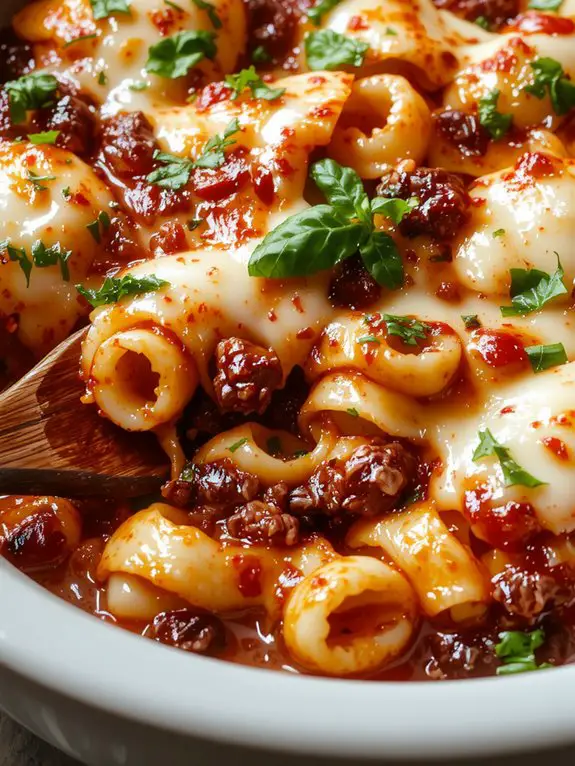
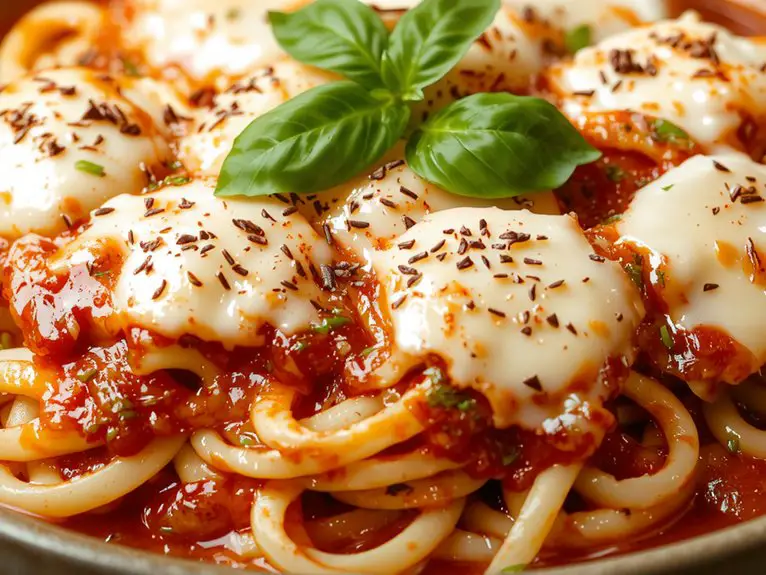
Let me tell you, this baked spaghetti is the ultimate comfort food upgrade you didn’t know you needed. It’s everything you love about classic spaghetti—rich marinara, melty cheese, tender noodles—but with a twist that takes it to a whole new level. The secret? Baking it to golden perfection, creating crispy edges, gooey layers, and a flavor that’s straight-up unforgettable.
I’ve been making this for family dinners and potlucks for years, and it’s always the first dish to disappear. With a mix of fresh herbs, high-quality marinara, and a generous sprinkle of mozzarella and Parmesan, every bite is a warm hug of flavor.
Plus, it’s one of those dishes that’s deceptively easy to make but looks and tastes like you spent hours in the kitchen. Trust me, once you try this, it’s going to be your new go-to crowd-pleaser.
Ingredients
For the ultimate homemade baked spaghetti, the right ingredients make all the difference. This recipe balances simplicity with bold flavors, and a few chef-level tips will guarantee your dish shines. Whether you’re sticking to the classics or making swaps, here’s what you’ll need and why it matters:
- Spaghetti (12 oz): The foundation of the dish—cook it al dente so it holds up during baking. Shortcuts like angel hair or linguine work in a pinch, but spaghetti is the gold standard for its texture and sauce-holding ability.
- Marinara Sauce (24 oz): Homemade is best for depth of flavor, but a high-quality store-bought sauce is a great time-saver. Look for one with minimal added sugar.
- Ground Beef (1 lb): Opt for 80/20 for the perfect balance of flavor and juiciness. Swap with ground turkey or Italian sausage for a twist.
- Onion (1 medium, diced): A non-negotiable for flavor-building base. Yellow or white onions work best.
- Garlic (3 cloves, minced): Fresh is key here—jarred garlic just doesn’t pack the same punch.
- Italian Seasoning (1 tbsp): A blend of oregano, basil, and thyme that brings the dish together. If you don’t have it, mix equal parts dried oregano and basil.
- Egg (1, beaten): This is the secret to binding the spaghetti and keeping it from drying out. Don’t skip it!
- Ricotta Cheese (1 cup): Adds creaminess and richness. Cottage cheese can be used as a substitute, but ricotta’s texture is superior.
- Mozzarella Cheese (2 cups, shredded): Freshly grated melts better than pre-shredded, which often contains anti-caking agents.
- Parmesan Cheese (1/2 cup, grated): Adds a salty, nutty flavor. Freshly grated Parmigiano-Reggiano is worth the splurge.
- Olive Oil (1 tbsp): For sautéing the onions and garlic—extra virgin olive oil brings a fruity note.
- Salt and Pepper (to taste): Adjust according to your preference, but don’t forget to season each component as you go.
- Fresh Basil (for garnish, optional): A finishing touch that adds brightness and elevates the presentation.
Pro Tip: For a golden, bubbly top, broil the baked spaghetti for the last 2-3 minutes.
And don’t skimp on the cheese—layering it throughout secures every bite is decadent.
How to Make the Best Baked Spaghetti Preparation Steps
– Combine cooked spaghetti and sauce – Gently fold the pasta into the sauce until evenly coated.
Avoid overmixing to keep the noodles intact. If the mixture seems dry, add a splash of pasta water or extra sauce.
– Layer half the spaghetti in a greased baking dish – Spread it evenly to create a solid base.
Sprinkle with half the shredded mozzarella and Parmesan for gooey pockets of cheese in every bite.
– Repeat with remaining spaghetti and cheese – Top with the rest of the mozzarella and Parmesan, plus a sprinkle of Italian seasoning for a golden, bubbly crust.
Cover with foil to prevent over-browning.
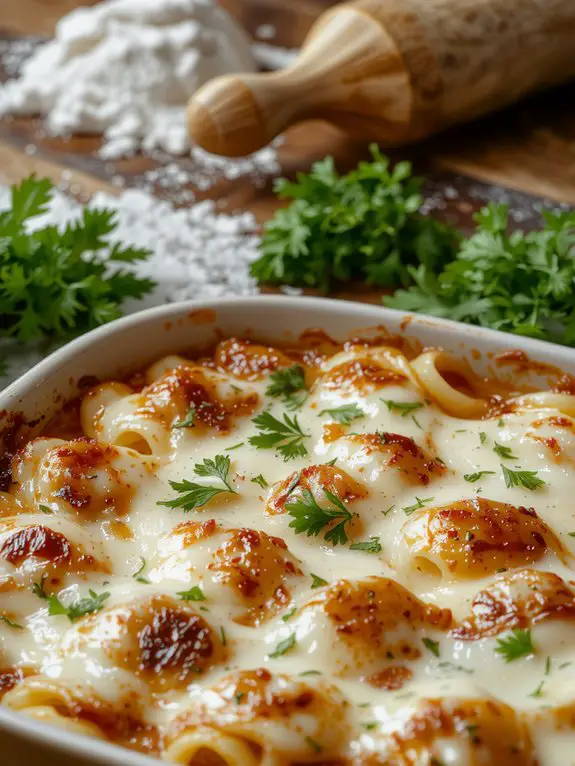
– Bake for 20 minutes covered, then 10 uncovered – The foil traps steam to melt the cheese, while the final uncovered bake crisps the top.
Watch for the edges to bubble and the cheese to turn lightly golden.
– Let rest for 5 minutes before serving – This allows the layers to set, making slices neater.
Garnish with fresh basil or parsley for a pop of color and freshness.
Pro Tips:
- Shortcut: Use store-bought marinara, but doctor it up with a pinch of sugar, red pepper flakes, or fresh herbs.
- Make ahead: Assemble the dish, refrigerate overnight, and bake the next day—add 5-10 extra minutes if cold.
- Crispy topping: Broil for the last 2 minutes for extra browning (watch closely to avoid burning).
Nutrition
This baked spaghetti recipe is a comforting and hearty dish. Here’s the nutritional breakdown per serving.
| Nutrient | Amount per Serving |
|---|---|
| Calories | 420 kcal |
| Protein | 18 g |
| Carbohydrates | 52 g |
| Fat | 15 g |
| Fiber | 4 g |
| Sugar | 8 g |
| Sodium | 680 mg |
Chef Tips
Making baked spaghetti even better comes down to a few simple tricks. I always undercook the pasta slightly since it’ll finish cooking in the oven.
Don’t skimp on seasoning—I add salt, garlic, and herbs to every layer. Mixing a bit of sauce with the noodles guarantees they stay moist.
For the cheese, I layer it throughout and finish with a golden top for that perfect crust.
Frequently Asked Questions
Can I Freeze Baked Spaghetti?
Yes, I can freeze baked spaghetti. I’d let it cool completely, transfer it to an airtight container or freezer-safe dish, and store it for up to three months. When I’m ready, I’d thaw and reheat it well.
How Long Does Baked Spaghetti Last in the Fridge?
I keep baked spaghetti in the fridge for up to 5 days. I make sure it’s stored in an airtight container to stay fresh. If I notice any off smells or textures, I toss it out.
What Type of Cheese Works Best for Baked Spaghetti?
I prefer using a mix of mozzarella for meltiness and parmesan for flavor. Cheddar works too if you want it sharper. Just make sure it melts well—nothing ruins baked spaghetti like clumpy, unmelted cheese.
Can I Use Gluten-Free Pasta for This Recipe?
Yes, I can use gluten-free pasta for this recipe. It’ll work just fine as long as I cook it al dente since it tends to soften more during baking. Just check the package instructions for timing.
Can I Substitute Ground Beef With Another Protein?
You can absolutely swap ground beef for another protein—try ground turkey, chicken, or even plant-based crumbles. Just brown it the same way and adjust seasoning if needed. The recipe stays delicious either way!


