The Best Homemade Balsamic Glaze Recipe
Recipe
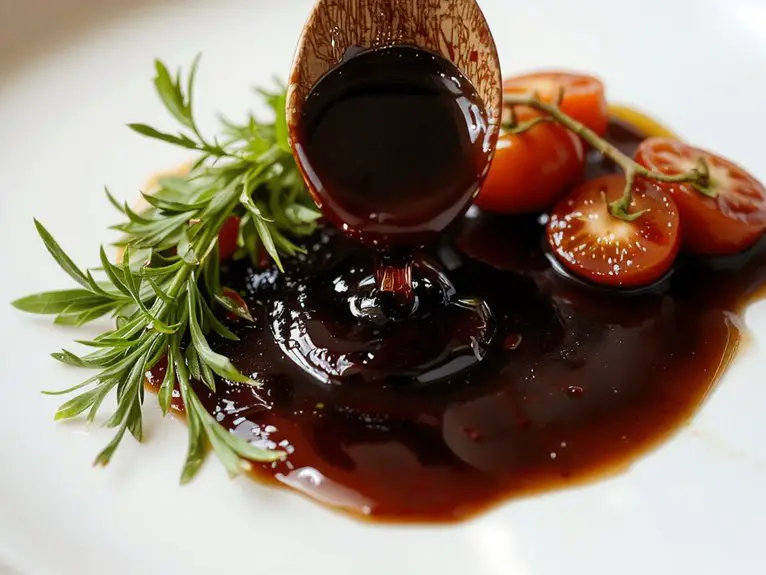
Once you taste this homemade balsamic glaze, you’ll never buy the store-bought version again—trust me, it’s that good. With just two simple ingredients and a little patience, you can whip up a glossy, syrupy glaze that’s bursting with sweet, tangy, and complex flavors.
Whether you’re drizzling it over roasted vegetables, tossing it with fresh strawberries, or elevating a caprese salad, this glaze is pure magic. I’ve been making it for years, and it’s one of those kitchen staples that never fails to impress.
The best part? It’s so easy, you’ll wonder why you haven’t been making it all along. Let’s get cooking—your taste buds are in for a treat!
Ingredients
A balsamic glaze is a versatile condiment that elevates everything from salads to roasted vegetables, and making it at home is surprisingly simple. The key lies in the quality of your ingredients—since this recipe relies on just a few components, each one plays a starring role. Here’s what you’ll need to create a rich, tangy, and glossy balsamic glaze:
Core Ingredients:
- Balsamic Vinegar: Opt for a high-quality, aged balsamic vinegar—it’s the backbone of the glaze and provides depth of flavor. A cheaper vinegar can taste overly sharp.
- Sweetener: Honey or brown sugar balances the vinegar’s acidity. Honey adds a floral note, while brown sugar lends a caramel-like richness. Choose based on your preference.
Optional Enhancers:
- Garlic: A minced clove adds a savory twist, perfect for drizzling over meats or roasted veggies.
- Fresh Herbs: A sprig of thyme or rosemary infused while simmering introduces an aromatic layer.
Pro Tips:
- Reduce Slowly: Simmering the mixture on low heat guarantees the glaze thickens evenly without burning.
- Test Consistency: The glaze should coat the back of a spoon—if it’s too thin, keep simmering; too thick, add a splash of water.
Substitutions:
- If you’re out of honey, maple syrup or granulated sugar works as a sweetener.
- For a savory kick, swap herbs for a pinch of red pepper flakes.
Non-Negotiables:
High-quality balsamic vinegar is essential—skip the cheap stuff, as it won’t deliver the same complexity or smooth finish.
Little Wins:
Drizzle the glaze over fresh strawberries, caprese salads, or even grilled chicken for a chef-worthy touch. Store leftovers in a squeeze bottle for easy use!
How to Make the Best Homemade Balsamic Glaze Recipe
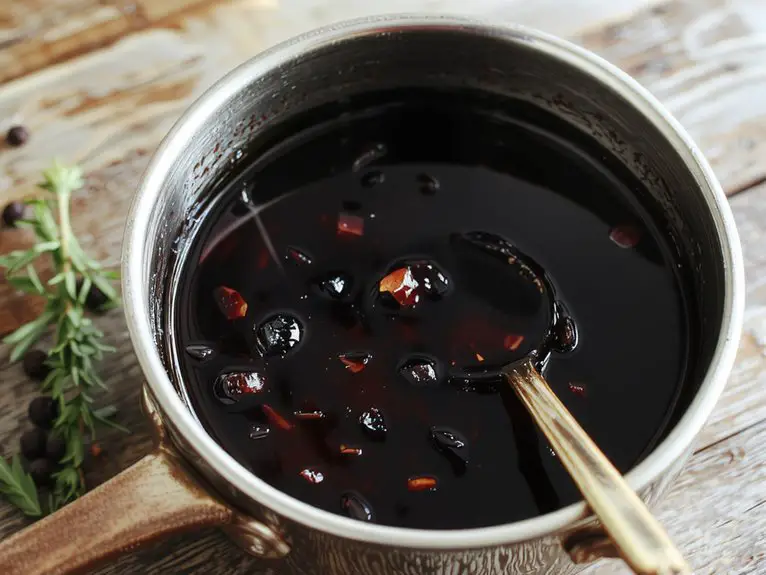
– Gather Your Ingredients: Start by measuring out 1 cup of balsamic vinegar and 2 tablespoons of honey (or sugar). Having everything ready will streamline the process and prevent any last-minute scrambling.
*Pro Tip:* Use high-quality balsamic vinegar for the best flavor. Cheaper versions may lack depth and sweetness.
– Combine Ingredients in a Saucepan: Pour the balsamic vinegar and honey into a small saucepan. Stir gently to mix them together. This guarantees even sweetness throughout the glaze.
*Watch-Out Warning:* Avoid using stainless steel pans if possible, as they can react with the vinegar and alter the flavor.
– Simmer Over Medium Heat: Place the saucepan on medium heat and bring the mixture to a simmer. Stir occasionally to prevent sticking or burning.
*Visual Cue:* Look for small bubbles forming around the edges of the saucepan—this indicates it’s simmering.
– Reduce the Mixture: Lower the heat slightly and let the mixture simmer gently until it reduces by about half. This process intensifies the flavor and creates the thick, syrupy consistency you’re after.
*Pro Tip:* Keep an eye on it! Reducing can take 10–15 minutes, but the time varies based on your stove and pan size.
– Test Consistency: To check if the glaze is ready, dip a spoon into the mixture and let it cool slightly. It should coat the back of the spoon without being too runny.
*Why It Matters:* This step secures the perfect thickness for drizzling over dishes.
– Cool and Store: Once the glaze reaches your desired consistency, remove it from the heat and let it cool completely. It will thicken further as it cools. Transfer it to a jar or bottle for storage.
*Time-Saving Trick:* Make a double batch and store it in the fridge for up to 2 weeks—it’s a versatile condiment for salads, meats, and desserts.
– Serve and Enjoy: Drizzle the glaze over roasted vegetables, grilled chicken, strawberries, or even vanilla ice cream. Get creative with how you use it!
*Flexibility:* Adjust the sweetness by adding more or less honey/sugar to suit your taste preferences.
Nutrition
1 tablespoon of balsamic glaze contains approximately:
| Nutrient | Amount |
|---|---|
| Calories | 20 kcal |
| Carbohydrates | 5 g |
| Sugars | 4 g |
| Sodium | 10 mg |
Chef Tips
Though balsamic glaze seems simple, mastering it takes a bit of finesse. I always use high-quality balsamic vinegar for depth of flavor. Reduce it slowly on low heat to avoid burning. Stir occasionally to prevent sticking.
Let it cool before serving—it thickens as it sits. Store leftovers in a glass jar; it keeps well for weeks. Experiment with honey or brown sugar for added sweetness.
Frequently Asked Questions
Can I Use White Balsamic Vinegar Instead?
Yes, I can use white balsamic vinegar instead. It’ll give a lighter, slightly sweeter flavor compared to the traditional dark balsamic, but it still works well for a glaze. Just adjust the cooking time as needed.
How Long Does Homemade Balsamic Glaze Last?
Homemade balsamic glaze lasts about 2 weeks in the fridge if I store it in an airtight container. I make sure it’s cooled completely before sealing it, and I check for spoilage before using it.
Is Balsamic Glaze the Same as Balsamic Reduction?
Balsamic glaze and balsamic reduction are pretty much the same thing—they’re both made by simmering balsamic vinegar until it thickens. I just think the term “glaze” sounds fancier, but they’re interchangeable in my book!
Can I Freeze Balsamic Glaze?
Yes, I can freeze balsamic glaze. I’d pour it into an airtight container or ice cube trays for smaller portions. It’ll thicken when frozen, but I can reheat it gently to restore its original consistency.
What Dishes Pair Best With Balsamic Glaze?
I love drizzling balsamic glaze over roasted veggies, grilled chicken, or caprese salad. It’s perfect on steak, strawberries, or even pizza. I find it adds a sweet-tangy kick that elevates almost any savory or sweet dish.


