The Best Homemade Basil Pesto Recipe
Recipe
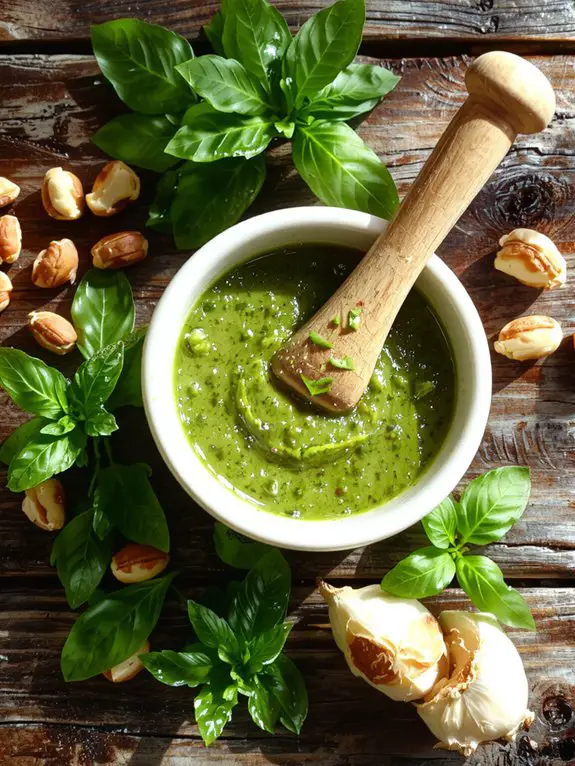
Let me tell you, this homemade basil pesto is an absolute game-changer—seriously, once you taste it, you’ll never go back to store-bought. Fresh basil, creamy pine nuts, and sharp Parmesan come together in a vibrant, aromatic sauce that’s bursting with flavor.
What makes it special? It’s all about using the best ingredients and blending them just right for that perfect balance of richness and brightness. Whether you’re tossing it with pasta, spreading it on toast, or dolloping it on grilled veggies, this pesto transforms any dish into something extraordinary.
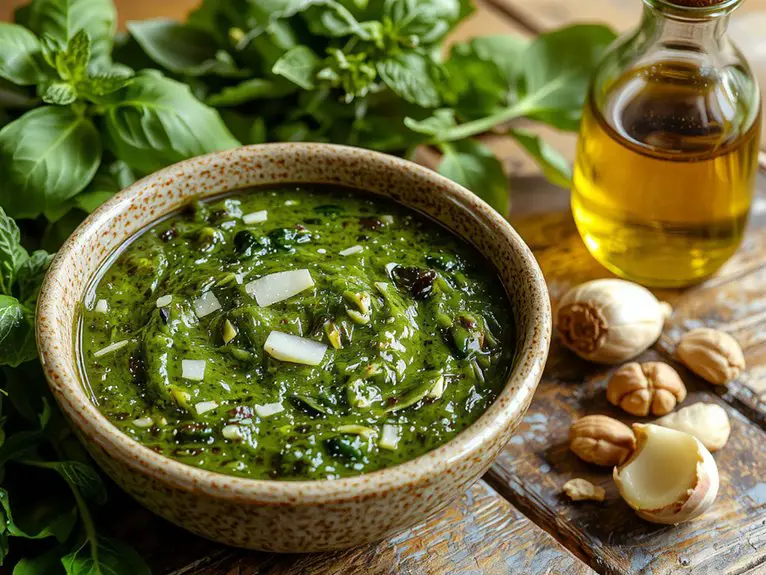
The texture is luxuriously smooth yet slightly chunky, with a garlicky punch and a hint of lemon zest that keeps it fresh and irresistible. Trust me, it’s so easy to whip up, and the payoff is huge.
Your kitchen will smell like an Italian trattoria, and you’ll feel like a culinary rockstar. Ready to elevate your meals? Let’s do this.
Ingredients
Great pesto starts with the right ingredients—fresh, vibrant, and full of flavor. While you can tweak a few things, some elements are non-negotiable for that classic, punchy taste. Here’s what you’ll need:
- Fresh basil leaves (2 cups packed) – The star of the show. Skip dried basil—it lacks the bright, aromatic punch. If your basil is wilting, revive it in ice water for 5 minutes.
- Parmigiano-Reggiano (½ cup grated) – The real deal matters here. Pre-grated cheese often contains anti-caking agents that dull the flavor.
- Pine nuts (¼ cup) – Toasted for depth. No pine nuts? Swap in walnuts or almonds, but toast them first for maximum nuttiness.
- Garlic (2 cloves) – Fresh and pungent. For a milder kick, blanch the cloves in boiling water for 30 seconds before using.
- Extra-virgin olive oil (½ cup) – Use the good stuff—it’s the backbone of the sauce. A fruity, peppery oil elevates everything.
- Kosher salt (½ tsp) – Balances the flavors. Taste as you go—cheese adds saltiness, so adjust accordingly.
- Lemon juice (1 tsp, optional) – A splash brightens the pesto and keeps it vibrant green longer.
Pro tip: For a smoother texture, let the food processor run longer. Want it chunkier? Pulse lightly. And always reserve a little oil to adjust the consistency after blending.
How to Make the Best Follow Precise Ingredient Measurements
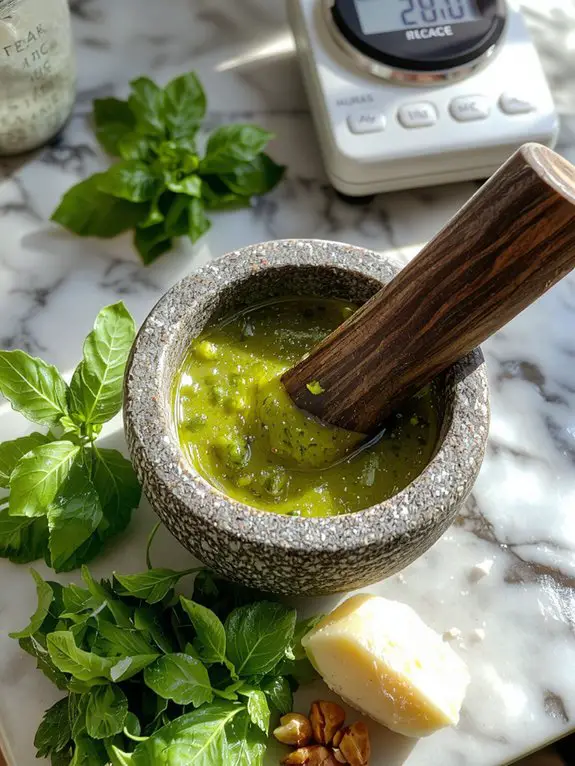
If the pesto is too thick, add a splash of olive oil or water. This step maintains a spreadable consistency.
Add just a little at a time to avoid making it too loose.
Use immediately or store in an airtight container with a thin layer of olive oil on top. This prevents the pesto from oxidizing and turning brown.
It can be refrigerated for up to a week or frozen for longer storage.
Nutrition
This homemade basil pesto is packed with nutrients from fresh basil, nuts, and olive oil. Here’s the nutritional breakdown per serving (2 tablespoons):
| Nutrient | Amount per Serving |
|---|---|
| Calories | 120 kcal |
| Total Fat | 12 g |
| Saturated Fat | 2 g |
| Sodium | 150 mg |
| Carbohydrates | 2 g |
| Fiber | 1 g |
| Protein | 2 g |
Chef Tips
Making pesto is simple, but a few techniques can elevate it. I always use fresh, high-quality basil and toast the pine nuts lightly for deeper flavor. Grate the Parmesan finely to blend smoothly.
Add olive oil gradually while blending to control consistency. Taste as you go, adjusting salt and lemon juice for balance.
Finally, store it with a thin layer of oil on top to preserve its vibrant color.
Frequently Asked Questions
Can I Freeze Homemade Basil Pesto?
Yes, I freeze homemade basil pesto all the time. I spoon it into an ice cube tray, cover it with plastic wrap, and pop it in the freezer. Once frozen, I transfer the cubes to a bag for easy use.
How Long Does Homemade Pesto Last in the Fridge?
Homemade pesto lasts about 5-7 days in the fridge if I store it properly. I always make sure it’s in an airtight container to keep it fresh, and sometimes I drizzle olive oil on top to help preserve it.
Can I Use a Blender Instead of a Food Processor?
Yes, I can use a blender instead of a food processor, but I’ll need to scrape the sides often and maybe add more oil to help blend it smoothly. It might not be as consistent, though.
What Can I Substitute for Pine Nuts in Pesto?
I can replace pine nuts with walnuts, almonds, or cashews—they’ve got a similar texture and richness. Sunflower seeds or pistachios also work great if I’m looking for something a bit different but still delicious.
Is It Okay to Use Dried Basil Instead of Fresh?
I wouldn’t recommend dried basil—it lacks the bright, fresh flavor pesto needs. If I had to use it, I’d soak it first, but fresh basil’s still best. The taste just won’t be the same.


