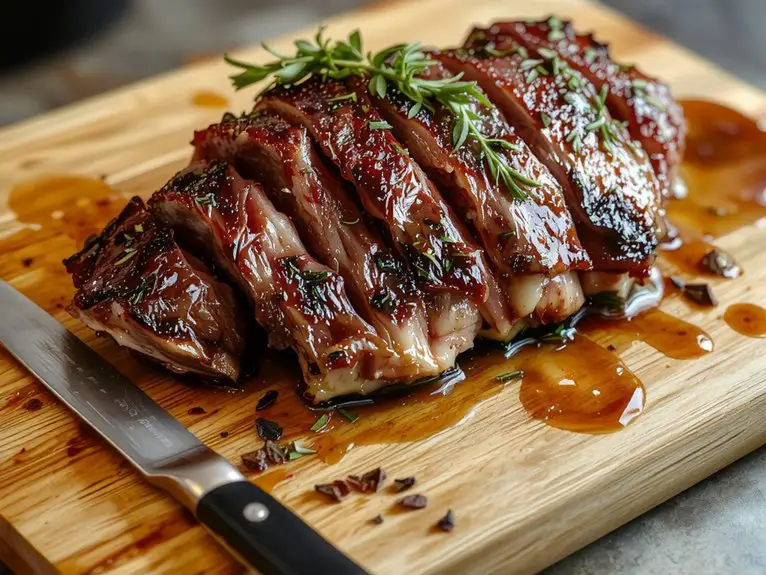
The Best Homemade Beef Ribs Recipe
Recipe
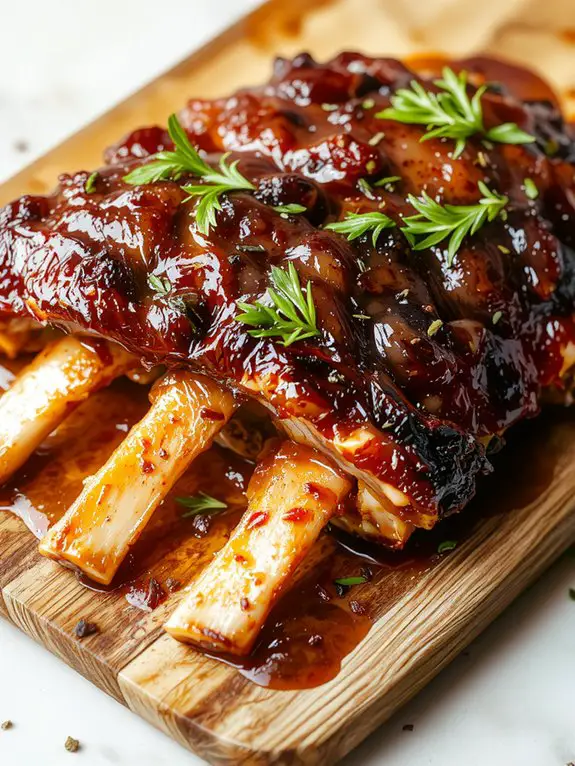
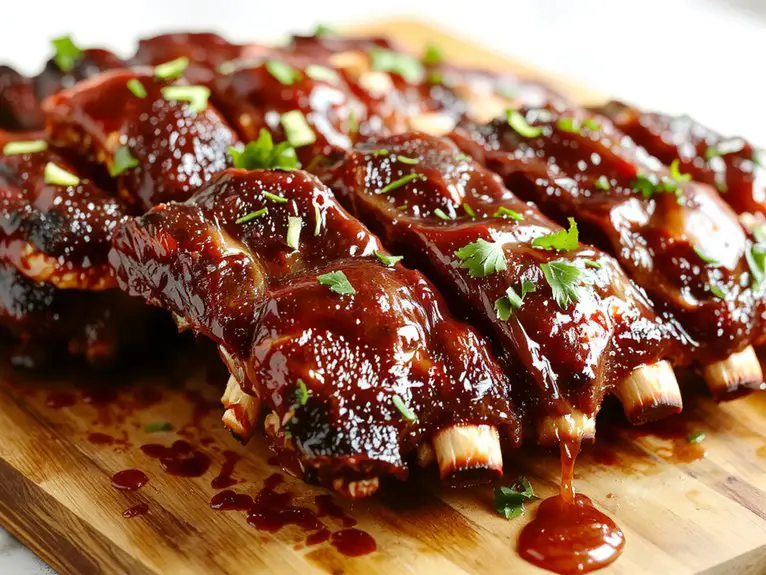
I can confidently say these beef ribs are the most fall-off-the-bone, flavor-packed, crowd-pleasing dish you’ll ever make—period. What sets them apart? The magic of slow-cooking combined with a simple yet bold marinade that caramelizes into a sticky, smoky glaze.
I’ve been making these for years, from backyard BBQs to cozy winter dinners, and they never fail to impress. Picture tender, juicy meat that melts in your mouth, paired with a crust that’s slightly charred and packed with savory-sweet goodness.
Whether you’re a BBQ pro or a beginner, this recipe is foolproof and guaranteed to make you feel like a pitmaster. Trust me, once you taste these ribs, you’ll be hooked. Let’s get cooking!
Ingredients
For the ultimate beef ribs, sourcing quality ingredients is key. The right mix of spices, sauces, and cuts of meat will transform this dish into a tender, smoky masterpiece. Here’s what you’ll need to make it happen:
- Beef Ribs: Choose a full rack of beef back ribs or short ribs for best results. Short ribs are fattier and more flavorful, while back ribs are leaner but still delicious.
- Olive Oil: Helps the seasoning stick to the ribs and adds a subtle richness.
- Salt and Black Pepper: Essential for enhancing the natural flavor of the beef.
- Paprika: Adds a smoky, slightly sweet base to the rub.
- Garlic Powder: Infuses the ribs with a savory depth.
- Onion Powder: Complements the garlic and adds a touch of sweetness.
- Brown Sugar: Balances the savory spices with a hint of caramelized sweetness.
- Cayenne Pepper: Optional, but adds a kick of heat for those who like it spicy.
- Worcestershire Sauce: Adds umami and tang to the marinade or glaze.
- BBQ Sauce: Use your favorite store-bought or homemade sauce for the final glaze.
*Pro Tip:* For even more flavor, let the ribs marinate in the spice rub overnight. This step is non-negotiable for maximum tenderness and taste.
*Substitutions:* If you’re out of paprika, smoked paprika works wonders for a deeper smokiness. No Worcestershire sauce? Soy sauce or balsamic vinegar can be a decent swap.
*Little Wins:* Garnish with fresh parsley or green onions before serving for a pop of color and freshness.
How to Make the Best Slow-Cooked Beef Ribs
2
– Prepare the ribs: Remove the membrane from the back of the ribs for better tenderness and flavor absorption. Use a paper towel to grip and peel it off.
*Why?* Leaving the membrane on can make the ribs tough and chewy.
– Season generously: Rub the ribs with a mix of salt, pepper, garlic powder, paprika, and brown sugar. Let them sit for at least 30 minutes, or overnight in the fridge for deeper flavor.
*Pro Tip*: Massage the seasoning into the meat to guarantee it sticks well during cooking.
– Preheat your oven or smoker: Set the oven to 275°F (135°C) or prepare your smoker to maintain a steady 225°F (107°C). Low and slow is the key to tender ribs.
*Why?* Cooking at a low temperature breaks down the connective tissue without drying out the meat.
– Wrap in foil: Place the ribs on a large piece of aluminum foil, meat side down. Add a splash of apple juice, broth, or water to the foil before sealing it tightly.
*Watch Out*: Make sure the foil is tightly sealed to trap moisture and prevent the ribs from drying out.
– Cook low and slow: Bake or smoke the ribs for 3-4 hours.
Check for tenderness by inserting a toothpick—it should slide in with little resistance.
*Visual Cue*: The meat should pull back slightly from the bone when ready.
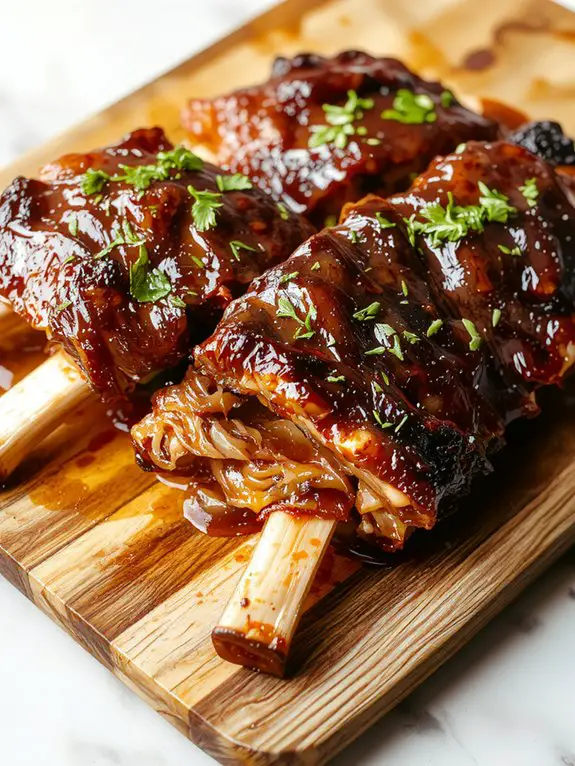
– Glaze (optional): Unwrap the ribs, brush them with your favorite BBQ sauce, and return them to the oven or smoker uncovered for 15-20 minutes to caramelize the glaze.
*Pro Tip*: Apply the sauce in thin layers to avoid burning.
– Rest before serving: Let the ribs rest for 10 minutes after cooking. This allows the juices to redistribute, keeping the meat moist.
*Why?* Cutting into the ribs right away can cause the juices to run out, leaving them dry.
– Slice and serve: Cut the ribs between the bones and serve with extra BBQ sauce or sides of your choice.
*Time-Saving Trick*: Use kitchen shears for easier slicing through the meat and bones.
– Flexibility: If you’re short on time, you can cook the ribs at 300°F (150°C) for 2-2.5 hours, though they may not be as tender.
Adjust the seasoning and sauce to suit your taste preferences.
Nutrition
Beef ribs are a rich source of protein and essential nutrients. Here’s a breakdown of their nutritional value per serving (approximate values for a 3-ounce cooked portion):
| Nutritions | Amount (3 oz cooked) |
|---|---|
| Calories | 248 kcal |
| Protein | 22 g |
| Fat | 17 g |
| Saturated Fat | 7 g |
| Cholesterol | 75 mg |
| Sodium | 60 mg |
| Iron | 2.3 mg |
| Zinc | 6.3 mg |
Chef Tips
When preparing beef ribs, I always start by choosing well-marbled cuts—they’ll stay juicier during cooking. Trim excess fat but leave some for flavor.
Season generously and let them rest before cooking. Low and slow is key—225°F for tender results.
Wrap in foil halfway to lock in moisture. Finish with a glaze or char for texture. Rest again before serving to let juices redistribute.
Frequently Asked Questions
Can I Use Pork Ribs Instead of Beef Ribs?
Yes, I can use pork ribs instead of beef ribs. They’ll cook differently since pork’s leaner and cooks faster, so I’ll adjust my timing and seasoning to match. Pork ribs are equally delicious when done right.
How Do I Store Leftover Beef Ribs?
I store leftover beef ribs in an airtight container in the fridge for up to 3 days. If I want to keep them longer, I freeze them in a sealed bag for up to 3 months.
Can I Freeze Cooked Beef Ribs?
Yes, you can freeze cooked beef ribs. Let them cool completely, then wrap tightly in foil or plastic wrap and place in a freezer-safe bag. They’ll last up to 3 months—just thaw and reheat when ready.
What Sides Pair Best With Beef Ribs?
I’d pair beef ribs with coleslaw for crunch, creamy mac n’ cheese for richness, or grilled corn on the cob for sweetness. Roasted potatoes or garlic bread also complement ’em perfectly—don’t forget a pickle for tang!
How Do I Reheat Beef Ribs Without Drying Them Out?
I’d reheat beef ribs by wrapping them in foil with a splash of broth or water, then baking at 250°F until warmed through. For quicker results, I’d use a microwave with a damp paper towel to lock in moisture.