The Best Homemade Bone Broth Recipe
Recipe
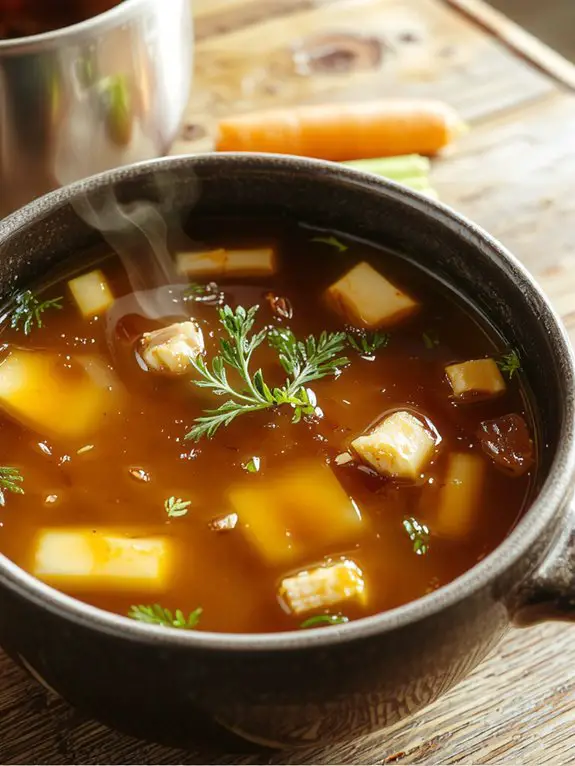
This bone broth recipe is the real deal—rich, nourishing, and packed with flavor that feels like a warm hug from the inside out. What sets it apart? Slow-simmering roasted bones with aromatic veggies and a splash of apple cider vinegar to draw out every bit of goodness.
It’s the kind of broth that transforms soups, stews, and even your morning sipping routine into something extraordinary. I’ve made this countless times, and it’s always a hit—whether I’m fighting off a cold or just craving something deeply comforting.
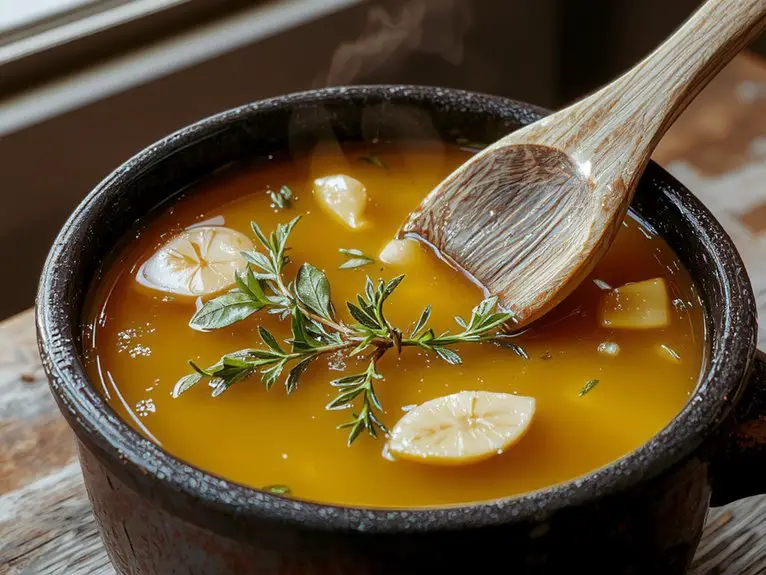
The result? A silky, golden broth with a deep umami punch that’s worth every minute of simmering. Trust me, once you try this, you’ll never go back to store-bought.
Ingredients
Bone broth is as much about the ingredients as it’s the process. Use high-quality bones and aromatics to build a rich, flavorful foundation. Here’s what you’ll need:
Bones (The Star of the Show):
- Beef marrow bones, knuckle bones, or chicken carcasses (must have connective tissue for gelatin).
- Roast bones beforehand for deeper flavor (optional but highly recommended).
Aromatics (The Flavor Builders):
- Onions (leave skins on for color).
- Carrots (add natural sweetness).
- Celery (essential for that classic broth flavor).
- Garlic cloves (whole, smashed for mellow richness).
Herbs & Seasonings (The Finishers):
- Bay leaves (a must for earthy depth).
- Peppercorns (whole, for subtle spice).
- Apple cider vinegar (helps extract nutrients from bones).
- Parsley stems (add freshness at the end).
Optional Elevators:
- Leeks (for a subtle onion sweetness).
- Ginger (great for a warming twist).
- Mushrooms (add umami depth).
Pro Tips:
- Use cold water to start; it helps extract nutrients slowly.
- If using chicken bones, a whole carcass yields more collagen.
- No apple cider vinegar? White vinegar works in a pinch.
- Fresh herbs are key; dried herbs can overpower the broth’s delicate flavor.
Non-Negotiables:
- High-quality bones with connective tissue (gelatin is what makes bone broth healing).
- Bay leaves and peppercorns (they round out the flavor profile beautifully).
With these ingredients, you’re set to create a nutrient-packed broth that’s both comforting and nourishing.
How to Make the Best Herb-Infused Bone Broth
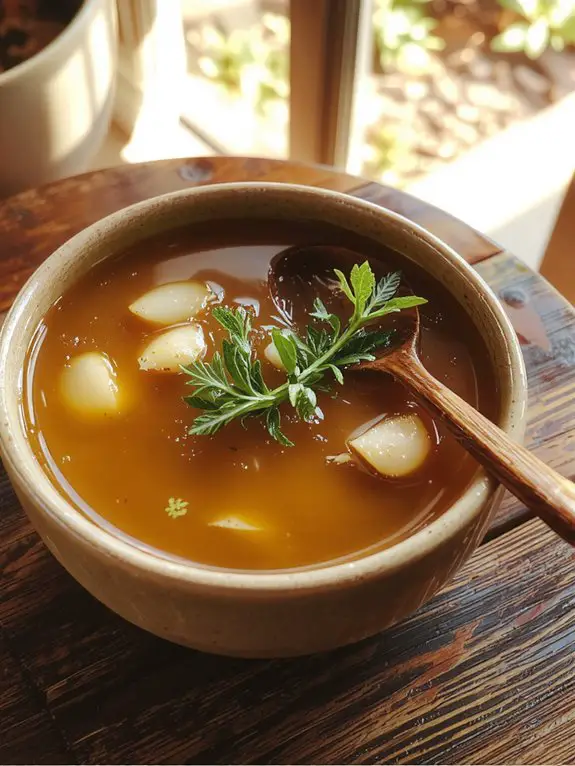
– Reheat gently – Warm on the stove over low heat to preserve nutrients.
Avoid microwaving, which can create uneven hot spots.
*Time-saving trick:* Reduce leftover broth by half for a concentrated stock to use in sauces.
Nutrition
Bone broth is rich in nutrients and provides essential minerals. Below is the nutritional breakdown per serving.
| Nutrient | Amount per Serving |
|---|---|
| Calories | 50 kcal |
| Protein | 10g |
| Fat | 1g |
| Carbohydrates | 2g |
| Sodium | 500mg |
| Calcium | 100mg |
| Iron | 1mg |
Chef Tips
If you’re aiming for the richest flavor and best texture in your bone broth, I always recommend roasting the bones first. It deepens the flavor and adds a rich, caramelized note.
Use a mix of bones—knuckle, marrow, and feet—for maximum collagen. Simmer gently; boiling creates cloudiness.
Add vinegar to extract minerals. Skim impurities early, and don’t rush—low and slow yields the best results.
Frequently Asked Questions
Can I Use Frozen Bones for Bone Broth?
Yes, I use frozen bones for bone broth all the time. Just thaw them first or roast them straight from frozen—it works fine. I find they still give great flavor and nutrients to my broth.
How Long Does Homemade Bone Broth Last in the Fridge?
Homemade bone broth lasts about 4-5 days in the fridge if I store it in an airtight container. I make sure it’s cooled before refrigerating, and if I need longer storage, I freeze it instead.
Can I Make Bone Broth in a Slow Cooker?
Yes, I can make bone broth in a slow cooker. I’ll add bones, water, and any veggies or seasonings, then cook it on low for 12-24 hours. It’s easy, hands-off, and yields rich, flavorful broth.
Is Bone Broth Safe for Dogs to Consume?
I’d say bone broth is safe for dogs if it’s plain, unsalted, and free from onions or garlic. I always check with my vet first to make sure it’s right for my dog’s diet.
What’s the Difference Between Bone Broth and Stock?
I know bone broth simmers longer than stock, extracting more nutrients from bones and connective tissue. Stock’s lighter, made with bones and veggies, but broth’s richer, often using roasted bones for deeper flavor. Both are great, but broth’s more nutrient-dense.


