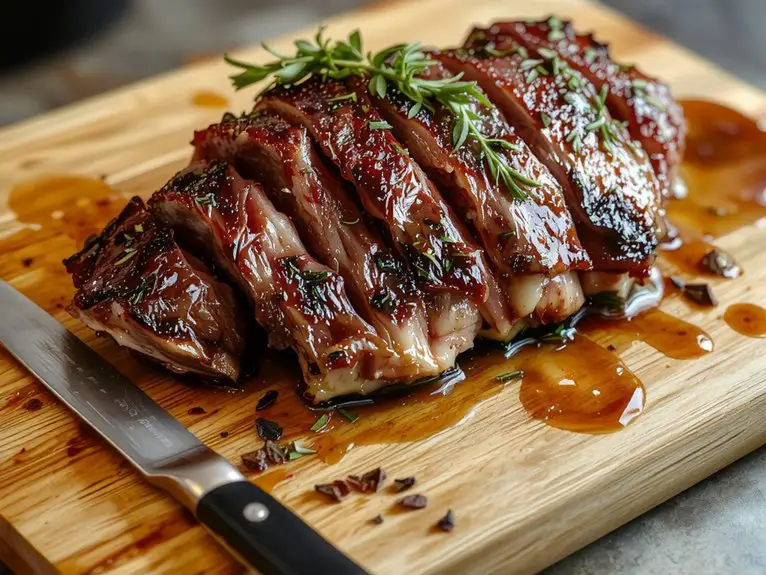
The Best Homemade Brisket Recipe

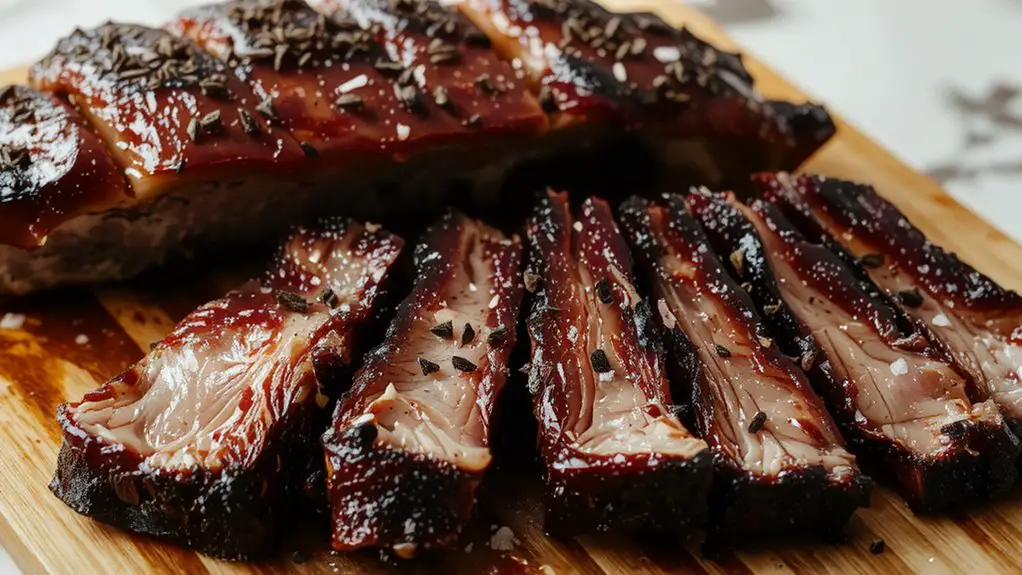
Recipe
There’s nothing quite like the magic of a perfectly cooked brisket—tender, juicy, and packed with smoky, savory flavor that melts in your mouth. This recipe? It’s the real deal.
I’ve made it countless times, tweaking every detail until it’s downright foolproof, and now it’s the star of every backyard BBQ and family gathering. The secret? A killer dry rub with just the right balance of spices and a slow, low cook that transforms tough meat into buttery perfection.
Imagine this: a caramelized crust giving way to slices so tender they practically fall apart at the touch of a fork, with a rich, smoky aroma that’ll have everyone hovering around the kitchen.
Trust me, once you try this method, you’ll never go back. Let’s get cooking—your new favorite brisket is just a few hours away.
Ingredients
For a brisket that’s tender, flavorful, and falls apart effortlessly, the right ingredients are key. While some elements are non-negotiable for that perfect result, there’s room for flexibility to suit your pantry or preferences. Here’s what you’ll need:
- Brisket (5-6 pounds): The star of the show. Opt for a well-marbled cut—this fat melts during cooking, keeping the meat moist and rich. If you’re short on time, a smaller cut works, but adjust cooking times accordingly.
- Kosher Salt & Black Pepper: The foundation of your rub. These enhance the beef’s natural flavor without overpowering it.
- Garlic Powder & Onion Powder: Adds depth and a savory undertone. If you’re out of powder, fresh minced garlic and onion can work, but they’ll add moisture to the rub.
- Paprika (smoked or sweet): Smoked paprika delivers a subtle smokiness, while sweet paprika adds color and mild flavor—your choice, but smoked is a game-changer.
- Brown Sugar: Balances the savory spices with a touch of sweetness and helps create a beautiful crust.
- Worcestershire Sauce: A secret weapon for umami. It tenderizes and intensifies the beef’s flavor. No Worcestershire? Soy sauce or balsamic vinegar can step in.
- Beef Broth: Keeps the brisket juicy during slow cooking. Low-sodium is best to control the saltiness—homemade broth is ideal if you have it.
- Onions & Garlic: Sliced onions and whole garlic cloves add aromatic richness to the cooking liquid.
- Apple Cider Vinegar (optional): A splash brightens the flavor and helps tenderize the meat.
- Bay Leaves: Infuse the brisket with a subtle herbal note. Don’t skip these—they’re a small but mighty flavor booster.
Pro Tip: For an extra layer of flavor, let the brisket marinate in the rub overnight. This allows the spices to penetrate deep into the meat. If you’re short on time, even an hour will make a difference.
Little Wins: Garnish with chopped parsley or serve with pickled jalapeños for a fresh, zesty contrast to the rich brisket.
How to Make the Best Texas-Style Smoked Brisket
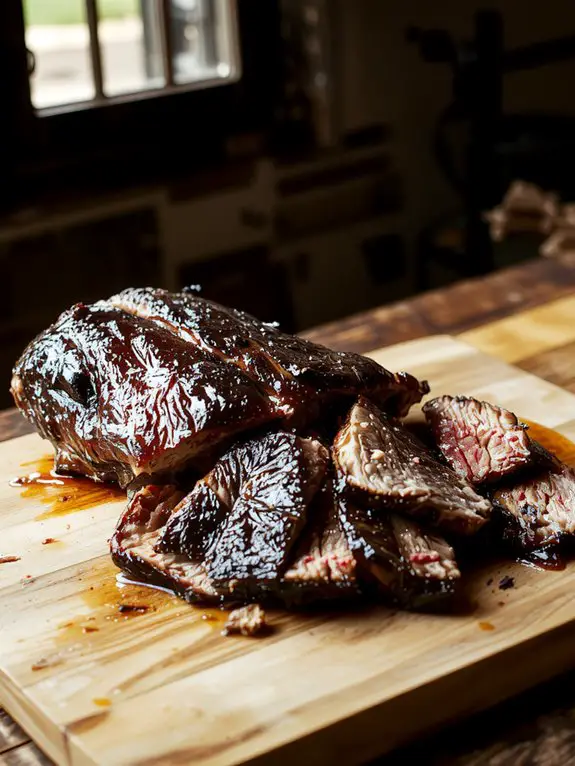
Start by Preparing the Brisket
Trim the fat cap to about 1/4-inch thickness using a sharp knife. Leaving too much fat can make the brisket greasy, while trimming too much can dry it out.
Pat the brisket dry with paper towels to guarantee the seasoning adheres properly.
Season Generously
Apply a heavy coat of your chosen rub—typically a mix of coarse salt, black pepper, and garlic powder—on all sides of the brisket.
Let it sit at room temperature for 30 minutes to allow the seasoning to penetrate the meat. This step enhances flavor and helps form a nice crust during smoking.
Preheat the Smoker
Set your smoker to 225°F (107°C) and use a hardwood like oak, hickory, or mesquite for an authentic Texas flavor.
Maintaining a consistent temperature is key, so avoid opening the smoker too often, as it can cause fluctuations.
Smoke the Brisket
Place the brisket on the smoker grates fat side up to allow the fat to baste the meat as it renders.
Insert a meat probe into the thickest part of the brisket but avoid touching the fat or bone. Smoke until the internal temperature reaches around 165°F (74°C), which usually takes 6–8 hours.
Wrap in Butcher Paper****
Once the brisket hits the “stall” (when the internal temperature plateaus), wrap it tightly in butcher paper.
This step helps retain moisture and speeds up the cooking process without sacrificing the bark’s texture. Avoid using aluminum foil, as it can make the bark soggy.
Continue Cooking Until Tender
Return the wrapped brisket to the smoker and cook until the internal temperature reaches 200–205°F (93–96°C).
The brisket should feel tender when probed, with little resistance. This usually takes another 4–6 hours, depending on the size of the brisket.
Rest the Brisket
Remove the brisket from the smoker and let it rest, still wrapped, for at least 1 hour.
Resting allows the juices to redistribute throughout the meat, ensuring every slice is moist and flavorful. Avoid skipping this step—it’s essential for a perfect brisket.
Slice and Serve
Slice the brisket against the grain into 1/4-inch-thick pieces.
Slicing against the grain guarantees tenderness, as it shortens the muscle fibers. Serve immediately with your favorite sides, like pickles, onions, and barbecue sauce. Enjoy the fruits of your patience and effort!
Nutrition
This homemade brisket recipe provides a hearty and flavorful meal. Here’s a breakdown of its nutritional value per serving:
Calories: 350
Total Fat: 22g
Saturated Fat: 8g
Cholesterol: 120mg
Sodium: 500mg
Total Carbohydrates: 5g
Dietary Fiber: 1g
Sugars: 2g
Protein: 30g
Chef Tips
Brisket’s rich flavor and tenderness depend on how it’s prepared, and I’ve found a few techniques that make a difference. Always trim excess fat to prevent greasiness, and season generously overnight for deeper flavor.
Cook it low and slow—225°F works best—and wrap it in foil halfway to lock in moisture. Let it rest for 30 minutes before slicing against the grain for perfect, tender bites every time.
Frequently Asked Questions
How Long Can I Store Cooked Brisket?
I can store cooked brisket in the fridge for 3-4 days or freeze it for up to 3 months. I’ll make sure it’s tightly wrapped or in an airtight container to keep it fresh and flavorful.
Can I Use a Gas Grill Instead of a Smoker?
Yes, I can use a gas grill for brisket if I set it up for indirect heat. I’ll keep the temperature low, around 225°F, and add wood chips in foil packets for smoke flavor. It’ll take patience but works.
What Sides Pair Best With Brisket?
I love pairing brisket with creamy coleslaw, buttery cornbread, or tangy pickles. Roasted potatoes or mac and cheese work too. A fresh green salad cuts through the richness. Don’t forget baked beans—they’re a classic!
How Do I Reheat Brisket Without Drying It Out?
I reheat brisket by wrapping it in foil with a splash of broth, then warming it at 250°F until heated through. If I’m in a hurry, I’ll use a covered skillet on low with extra moisture.
Is Brisket Safe to Eat if It’s Pink?
I’ve found brisket can stay pink even when fully cooked, especially if smoked. It’s safe as long as it reaches 195-205°F internally. I always use a meat thermometer to check before eating.