The Best Homemade Buttercream Frosting Recipe
Recipe
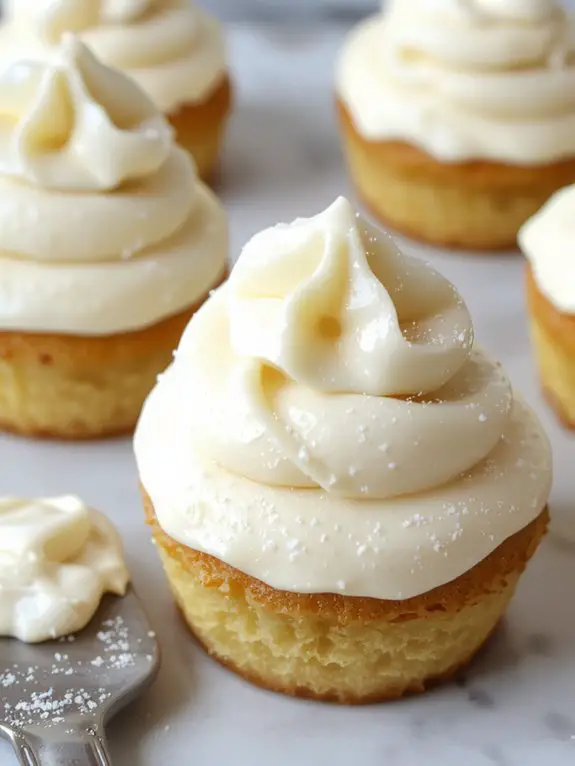
There’s nothing quite like the magic of homemade buttercream frosting—silky, rich, and infinitely customizable, it’s the kind of recipe that turns good desserts into showstoppers.
I’ve made this frosting more times than I can count, and I can promise you: once you try it, store-bought will never compare.
With just a handful of pantry staples—real butter, pure vanilla, and a touch of cream—you get a frosting that’s luxuriously smooth, holds its shape like a dream, and melts on the tongue.
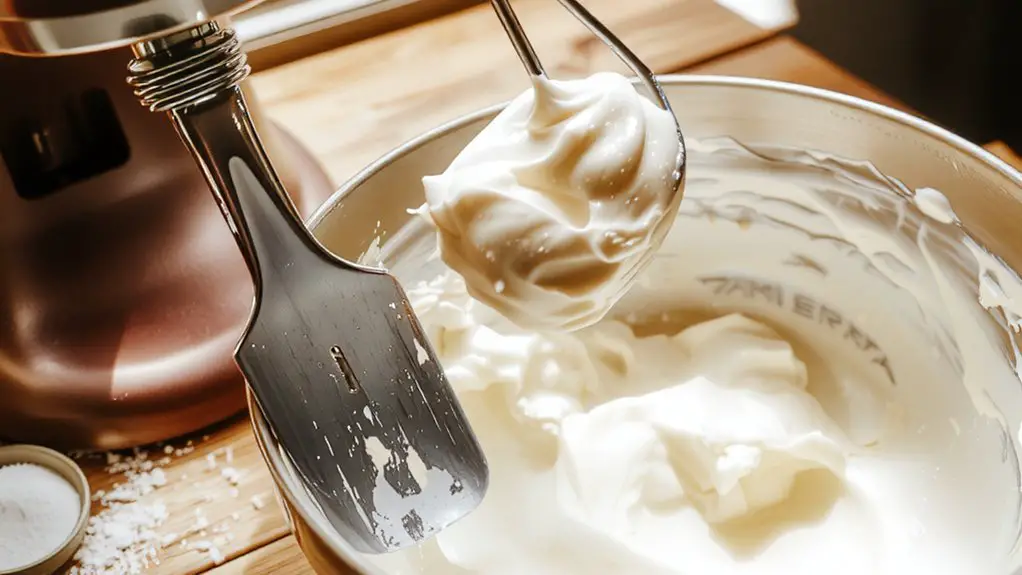
My secret? Whipping the butter until it’s almost fluffy, then slowly adding the sugar to avoid any graininess.
Whether you’re piping swirls on cupcakes or layering a birthday cake, this buttercream is your ticket to bakery-level results at home.
Trust me, one bite and you’ll be hooked.
Ingredients
The secret to dreamy buttercream lies in quality ingredients—each one plays a starring role. Use real butter (not margarine!) for that rich, velvety texture, and sift your powdered sugar to avoid lumps. Here’s what you’ll need:
- Unsalted butter (room temperature) – The foundation. Salted butter can throw off the flavor balance, so stick with unsalted and adjust salt separately. *Swap:* Vegan butter works, but opt for a high-fat brand for best results.
- Powdered sugar (sifted) – Adds sweetness and structure. Sifting is non-negotiable for silky-smooth frosting. *Pro tip:* For a less sweet version, replace up to ¼ cup with cornstarch (but don’t overdo it!).
- Heavy cream or whole milk – Thins the frosting without making it greasy. Heavy cream yields a luxe, stable texture. *Swap:* Coconut cream for dairy-free, but expect a subtle coconut flavor.
- Vanilla extract – Pure extract (not imitation!) gives depth. *Upgrade:* Scrape a vanilla bean for next-level aroma.
- Pinch of salt – Balances sweetness and enhances flavor. Don’t skip!
*Little win:* A splash of almond extract (¼ tsp) adds a bakery-style complexity. Just don’t overpower the vanilla.
How to Make the Best Perfect Buttercream Frosting Technique
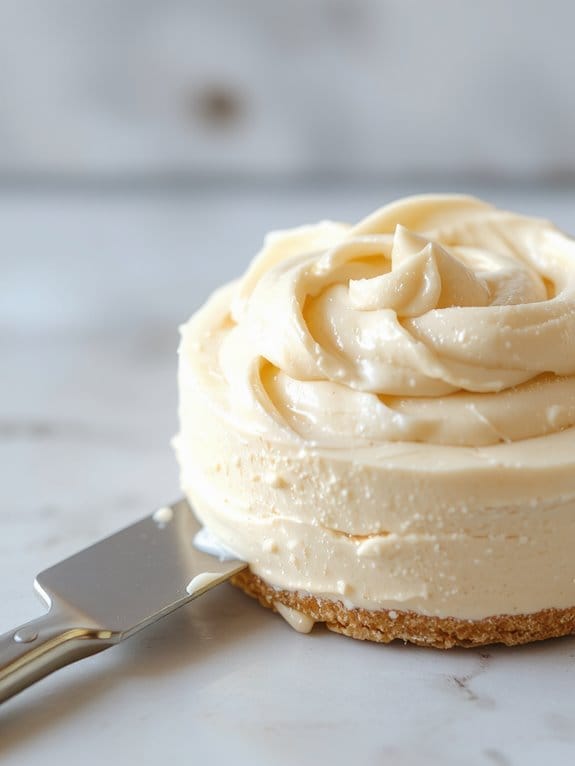
Gradually add the powdered sugar****, about 1 cup at a time, mixing on low speed to avoid a sugar cloud.
Once incorporated, increase the speed to medium and beat until smooth and creamy.
Pour in the vanilla extract and a pinch of salt to enhance the flavor.
Mix briefly to combine—overmixing at this stage can cause the frosting to lose its structure.
Add heavy cream or milk****, 1 tablespoon at a time, until you reach your desired consistency.
For stiff peaks, use less liquid; for a softer spread, add a bit more.
Scrape down the sides of the bowl halfway through mixing to guarantee all ingredients are evenly incorporated.
This prevents lumps and uneven texture.
Adjust the flavor or color as needed.
Add cocoa powder for chocolate buttercream or food coloring for vibrant hues, mixing gently to avoid overworking the frosting.
Use immediately or store in an airtight container in the fridge for up to a week.
Bring it back to room temperature and re-whip before using to restore its creamy texture.
Pro tip: If your frosting becomes too soft, pop it in the fridge for 10-15 minutes to firm up before piping or spreading.
Watch out: Avoid adding too much liquid at once, as it can make the frosting runny.
Start with a small amount and adjust gradually.
Nutrition
Buttercream frosting is a rich and sweet topping that can add flavor and texture to cakes and cupcakes. Below is the nutritional information per serving (approximately 2 tablespoons).
| Calories | Total Fat | Saturated Fat | Cholesterol | Sodium | Total Carbs | Sugars | Protein |
|---|---|---|---|---|---|---|---|
| 140 | 8g | 5g | 20mg | 10mg | 18g | 18g | 0g |
Chef Tips
When making buttercream frosting, I always recommend using room-temperature butter—it blends more smoothly and creates a fluffier texture.
Start at a low mixing speed to avoid splatters, then gradually increase it for a creamy consistency.
If the frosting’s too thick, add milk a teaspoon at a time. Too thin? Incorporate more powdered sugar.
Patience guarantees the perfect frosting consistency for piping or spreading.
Frequently Asked Questions
Can I Use Margarine Instead of Butter?
I wouldn’t recommend margarine—it’s a butter substitute but makes frosting greasy. If you need dairy-free options, try plant-based butter instead. It’ll give you better texture and flavor than margarine for your frosting.
How Long Does Buttercream Frosting Last?
I’d say buttercream frosting lasts up to two weeks if stored properly. For storage tips, keep it in an airtight container in the fridge to maintain its shelf life and prevent it from drying out or spoiling.
Can I Freeze Buttercream Frosting?
Yes, I can freeze buttercream frosting! Use airtight containers or freezer bags for the best freezing methods. When I’m ready to use it, I follow thawing tips like letting it sit at room temperature and rewhipping.
Why Is My Frosting Too Runny?
My frosting’s too runny ‘cause I’ve messed up the ingredient ratios—maybe too much liquid or not enough powdered sugar. Also, if I overmix it or don’t cream the butter properly, it’ll lose its thickness.
Can I Color the Frosting Without Altering Consistency?
I can color my frosting without changing its texture. Using gel food coloring instead of liquid helps maintain consistency since it’s more concentrated. Adding it gradually and mixing thoroughly guarantees my frosting stays smooth and holds its shape.


