The Best Homemade Cabbage Soup Recipe
Recipe
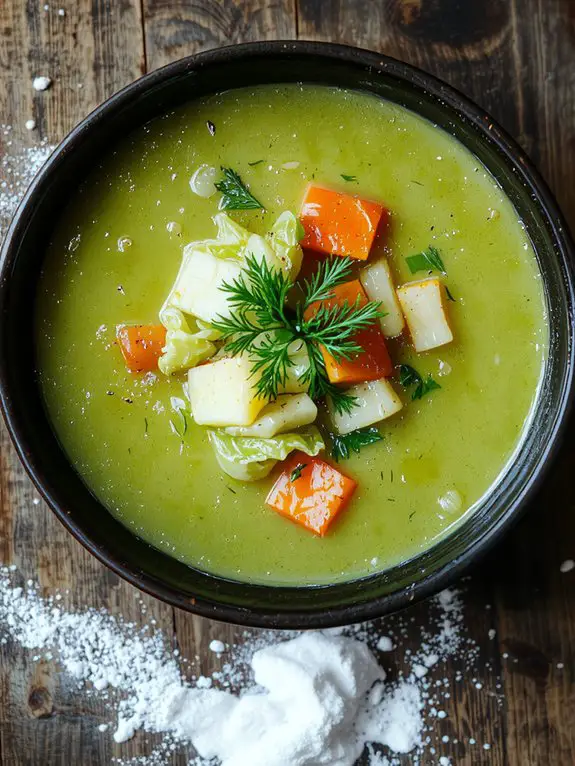
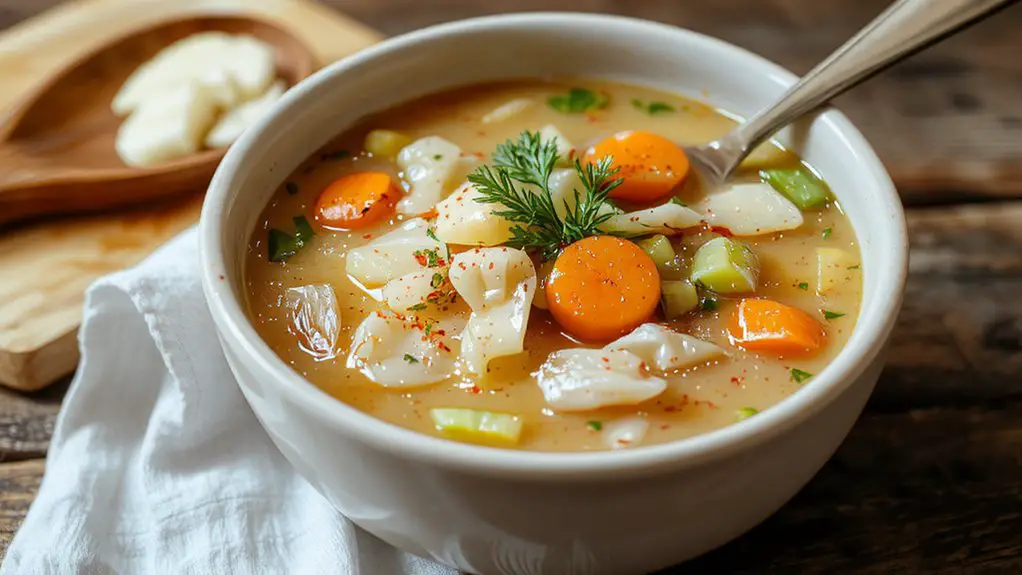
This cabbage soup is the ultimate comfort food—trust me, you’ll want to make it on repeat once you try it. Packed with tender cabbage, savory broth, and a hint of sweetness from fresh veggies, it’s like a warm hug in a bowl.
What makes it special? Simplicity. With just a handful of pantry staples and a quick prep time, it’s proof that delicious doesn’t have to be complicated.
I’ve been making this recipe for years, and it never fails to please—whether I’m craving something light or need a nourishing meal after a long day.
Imagine soft cabbage mingling with hearty carrots and potatoes, all swimming in a flavorful broth that’s subtly seasoned to perfection. It’s satisfying, healthy, and totally customizable.
Ready to make magic in your kitchen? Let’s jump right in—this soup is as easy as it’s irresistible.
Ingredients
Start with the basics: this cabbage soup relies on simple, wholesome ingredients that come together to create a comforting, hearty dish. Fresh cabbage is the star, but don’t underestimate the depth of flavor from aromatics and herbs. Here’s what you’ll need, along with some tips and swaps to make it your own.
- Cabbage: Use green cabbage for its mild sweetness and tender texture when cooked. Savoy cabbage works too for a slightly more delicate bite.
- Olive oil: A good-quality olive oil for sautéing adds richness. Substitute with avocado oil or butter if needed.
- Onion: Yellow onions are ideal for their balance of sweetness and sharpness. Red onions can work in a pinch.
- Garlic: Fresh garlic is non-negotiable—it’s the base of flavor here. Pre-minced garlic works if you’re in a hurry.
- Carrots: Adds natural sweetness and a pop of color. Feel free to toss in celery for extra crunch.
- Tomatoes: Canned diced tomatoes bring acidity and depth. Fresh tomatoes work if they’re in season.
- Vegetable or Chicken Broth: Use low-sodium for better control of seasoning. Swap in beef broth for a richer flavor.
- Potatoes: Yukon Gold or russet potatoes add heartiness. Skip if you’re going low-carb.
- Bay leaves: Essential for that earthy, aromatic undertone. No substitutes here—it’s a game-changer.
- Thyme: Fresh thyme is ideal, but dried works too (use half the amount).
- Salt and Black Pepper: Adjust to taste—don’t be shy with the seasoning.
Optional extras: Add a splash of apple cider vinegar for brightness, or toss in a Parmesan rind while simmering for umami depth.
Fresh parsley or dill at the end gives a burst of freshness.
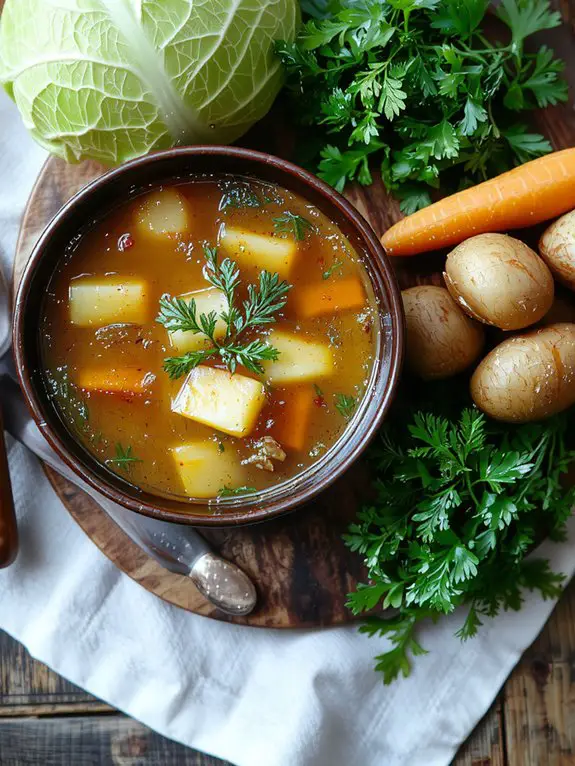
How to Make the Best Cabbage Soup Freshest Ingredients
– Prepare Your Ingredients: Start by washing and chopping all vegetables—cabbage, carrots, celery, and onions—into uniform pieces for even cooking. Rinse canned tomatoes and beans to remove excess sodium if desired.
Pro Tip: Prepping everything beforehand guarantees a smooth cooking process.
– Sauté the Aromatics: Heat olive oil in a large pot over medium heat. Add diced onions, minced garlic, and chopped celery, sautéing until softened and fragrant, about 5 minutes.
This step builds the flavor foundation of your soup.
- Add Root Vegetables: Toss in chopped carrots and cook for another 5 minutes, stirring occasionally. These heartier veggies need a bit more time to soften and release their natural sweetness.
- Incorporate Cabbage: Add shredded cabbage to the pot, stirring well to combine. Let it cook down slightly for 3-4 minutes.
Cabbage reduces in volume as it cooks, so don’t worry if it seems like a lot at first.
– Pour in Liquids: Add vegetable or chicken broth, diced tomatoes, and a bay leaf. Bring the mixture to a gentle boil.
Watch-Out: Avoid high heat, which can make the cabbage bitter.
– Simmer to Perfection: Reduce the heat to low, cover the pot, and let the soup simmer for 20-30 minutes until all vegetables are tender. Stir occasionally to prevent sticking.
Pro Tip: The longer it simmers, the deeper the flavors develop.
- Add Beans and Season: Stir in rinsed beans during the last 5 minutes of cooking. Season with salt, pepper, and your favorite herbs (like thyme or parsley). Taste and adjust seasoning as needed.
- Serve and Enjoy: Ladle the soup into bowls and garnish with fresh herbs or a drizzle of olive oil if desired.
Visual Cue: The soup should be aromatic, with tender veggies and a harmonious broth.
Flexibility: Store leftovers in the fridge for up to 3 days or freeze for longer storage.
Nutrition
This cabbage soup is a low-calorie, nutrient-packed dish. Here’s a breakdown of its nutritional value per serving.
| Nutrient | Amount per Serving |
|---|---|
| Calories | 100 kcal |
| Protein | 4 g |
| Carbohydrates | 18 g |
| Fat | 1 g |
| Fiber | 5 g |
| Sugar | 8 g |
| Sodium | 400 mg |
Chef Tips
Cabbage soup’s nutritional benefits make it a great choice, but nailing the flavor and texture takes a few tricks. I focus on sharp knife skills to slice cabbage and veggies evenly, ensuring they cook uniformly.
When recipe scaling, I adjust spices gradually to avoid overpowering the broth. Simmering longer enhances depth, and a splash of vinegar or lemon at the end brightens flavors.
Perfection lies in balance and patience.
Frequently Asked Questions
How Long Does Cabbage Soup Last in the Fridge?
Cabbage soup lasts 3–4 days in the fridge if I store it properly. For food safety, I keep it in an airtight container and cool it quickly before refrigerating. Storage tips include reheating it thoroughly before eating.
Can I Freeze Cabbage Soup for Later Use?
Yes, I can freeze cabbage soup for later. I’ll make sure it’s cooled completely, then use airtight storage containers or freezer bags to prevent freezer burn. I’ll label and date them for easy retrieval.
What’s the Best Way to Reheat Cabbage Soup?
I’d reheat cabbage soup gently to keep it tasty. On the stove, I’d warm it over low heat, stirring often. For microwave tips, I’d use short bursts, stirring in between to avoid hot spots.
Is Cabbage Soup Suitable for a Keto Diet?
Yes, I think cabbage soup is great for a keto diet because it’s low carb and packed with keto benefits. Just skip high-carb ingredients like potatoes or carrots to keep it keto-friendly while staying delicious.
Can I Use Red Cabbage Instead of Green?
Yes, I can use red cabbage instead of green—it’s a great swap. Red cabbage adds vibrant color and even more cabbage nutrition to the soup. Experimenting with soup variations like this keeps the dish exciting and versatile.


