The Best Homemade Cajun Seasoning Recipe
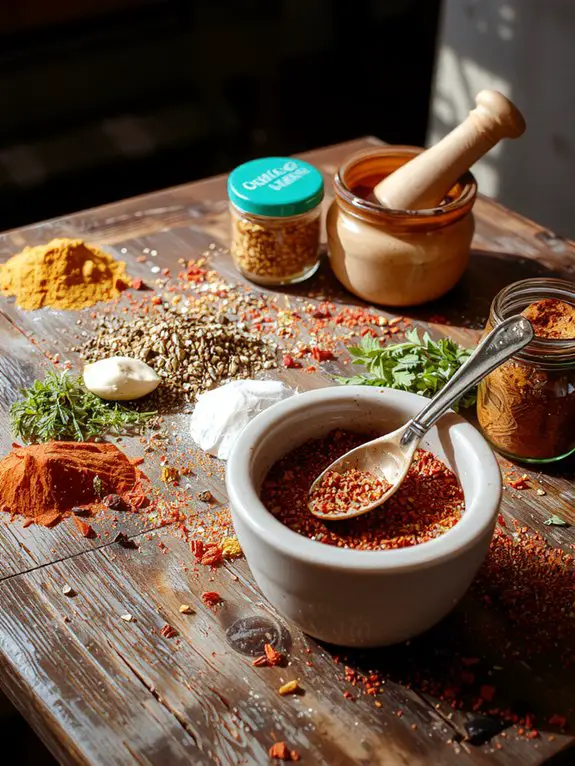
Recipe
Craving that bold, zesty kick of Cajun flavor but tired of store-bought blends that taste, well, meh? Say hello to this homemade Cajun seasoning recipe—it’s about to become your kitchen MVP. Trust me, once you taste this, there’s no going back.
With smoky paprika, fiery cayenne, and just a hint of garlicky sweetness, this mix is perfectly balanced and ridiculously versatile. Sprinkle it on shrimp, rub it on chicken, or jazz up roasted veggies—it’s magic in a jar.
I’ve been making this for years, and it’s become a non-negotiable staple in my pantry. The best part? You know exactly what’s in it—no mystery additives, just pure, punchy flavor. Seriously, your taste buds are about to throw a party.
Let’s get mixing!
Ingredients
Crafting the perfect homemade Cajun seasoning starts with the right blend of spices. The key is balancing heat, smokiness, and depth of flavor. While you can tweak the ratios to suit your taste, these ingredients are the foundation of an authentic, versatile seasoning that’ll elevate everything from grilled meats to roasted veggies.
- Paprika (sweet or smoked): The backbone of Cajun seasoning, paprika adds a rich, earthy base. Smoked paprika lends a deeper, more complex flavor, so it’s worth grabbing if you can.
- Garlic powder: Essential for that savory, aromatic punch. Fresh garlic won’t give the same consistency, so stick with powdered here.
- Onion powder: Adds a subtle sweetness and rounds out the savory notes. It’s a must for a well-balanced blend.
- Cayenne pepper: Brings the heat! Adjust the amount to your spice tolerance, but don’t skip it—it’s what gives Cajun seasoning its kick.
- Dried oregano: Adds a hint of herbal brightness. If you’re out of oregano, thyme makes a decent substitute.
- Dried thyme: Another layer of earthy, aromatic flavor. Fresh thyme can be used in a pinch, but it won’t blend as evenly.
- Black pepper: For a subtle sharpness and warmth. Freshly ground works best.
- White pepper: Optional but recommended for a more complex, slightly floral heat. If you don’t have it, just use extra black pepper.
- Salt: Balances and enhances all the flavors. Kosher or sea salt works best for even distribution.
Pro Tip: If you want to amp up the smokiness, add a pinch of cumin or a dash of chipotle powder.
And remember, store your seasoning in an airtight jar away from heat and light to keep it fresh and flavorful.
How to Make the Best Exact Cajun Seasoning Recipe
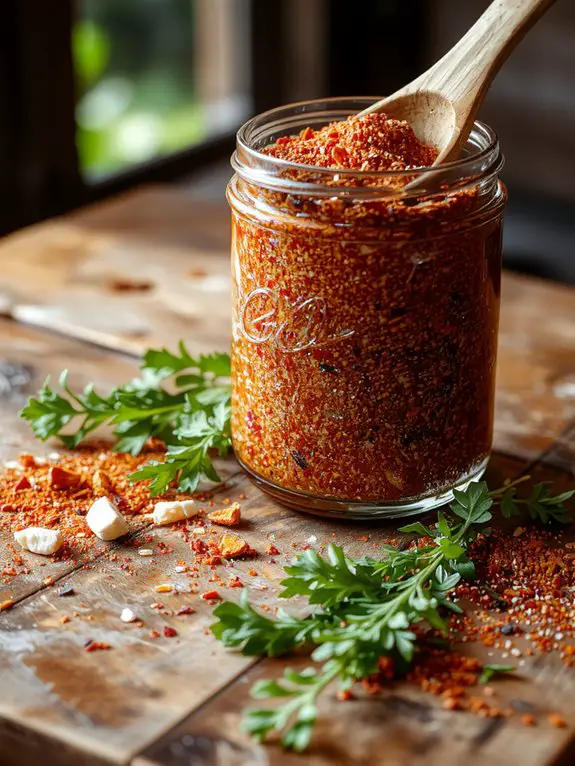
– Gather all your spices and measuring tools.
Having everything ready before you start guarantees a smooth process and helps avoid missing any ingredients.
– Combine paprika, garlic powder, onion powder, and oregano in a bowl.
These are the base flavors of Cajun seasoning, so mix them evenly to create a balanced foundation.
– Add cayenne pepper, black pepper, and thyme.
Start with less cayenne if you prefer a milder spice level—you can always add more later.
– Mix in salt, guaranteeing it’s evenly distributed.
Salt enhances all the flavors, but be cautious if using in recipes with already salty ingredients.
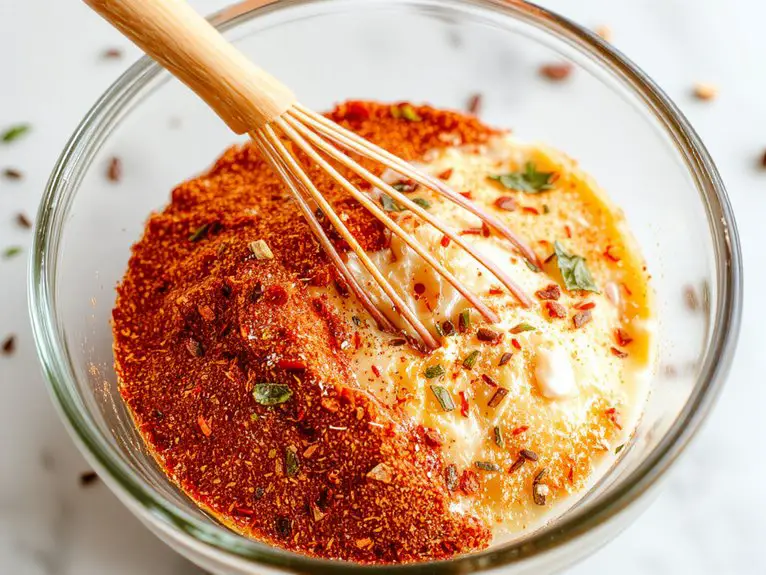
– Whisk everything together thoroughly.
This confirms the spices are well-blended, so each pinch of seasoning delivers the same flavor.
– Taste and adjust the spice level.
If it’s too mild, add a bit more cayenne; for a smokier flavor, try smoked paprika.
– Store in an airtight container.
Keep it in a cool, dark place to maintain freshness for up to 6 months.
– Label your container with the date and recipe.
This helps you track freshness and recreate the blend if needed.
Nutrition
This Cajun seasoning blend is low in calories and contains no added sugars or fats. It’s a healthy way to add flavor to your dishes.
| Nutrition | Per 1 tsp |
|---|---|
| Calories | 5 |
| Fat | 0g |
| Carbs | 1g |
| Protein | 0g |
Chef Tips
To get the most out of this Cajun seasoning, I always recommend toasting the spices lightly before blending. It deepens their flavor and adds a smoky note.
Store it in an airtight container to keep it fresh. Adjust the heat by tweaking the cayenne—less for mild, more for fiery.
Use it within six months for peak taste. It’s perfect on meats, veggies, or even popcorn.
Frequently Asked Questions
What Dishes Pair Well With Cajun Seasoning?
I find Cajun seasoning pairs perfectly with grilled chicken, shrimp, or fish. It also adds a kick to roasted veggies, jambalaya, and gumbo. I even sprinkle it on popcorn or fries for extra flavor.
Can Cajun Seasoning Be Used as a Dry Rub?
Yes, Cajun seasoning works great as a dry rub! I love using it on meats like chicken, pork, or steak before grilling or roasting—just coat generously and let it sit for at least 30 minutes to soak up all that bold flavor.
How Long Does Homemade Cajun Seasoning Last?
Homemade Cajun seasoning lasts about six months if I store it in an airtight container in a cool, dark place. I make sure it’s kept dry because moisture can cause it to clump or lose flavor faster.
Is Cajun Seasoning Gluten-Free?
If I make my Cajun seasoning with gluten-free ingredients, it’s naturally gluten-free. I always check each spice to verify no hidden gluten. Most common spices are safe, but I avoid anything with additives or cross-contamination risks.
Can I Adjust the Spice Level in Cajun Seasoning?
Yes, I can easily adjust the spice level in Cajun seasoning. I just control the amounts of cayenne pepper, chili powder, or red pepper flakes. Reducing them makes it milder, while adding more increases the heat.


