The Best Homemade Caramel Recipe
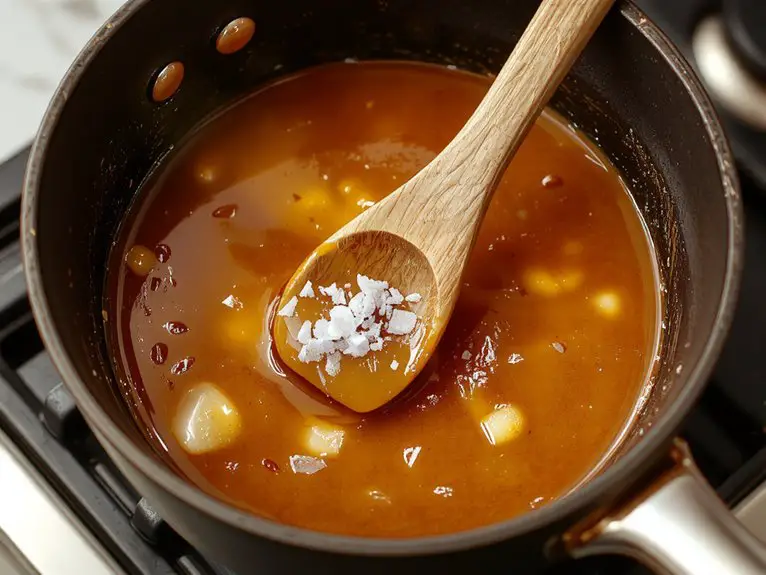
Recipe
Say goodbye to store-bought caramel forever—this homemade version is so ridiculously good, it’ll ruin you for anything else. Made with just sugar, butter, and cream, it’s the kind of magic that transforms desserts from basic to unforgettable.
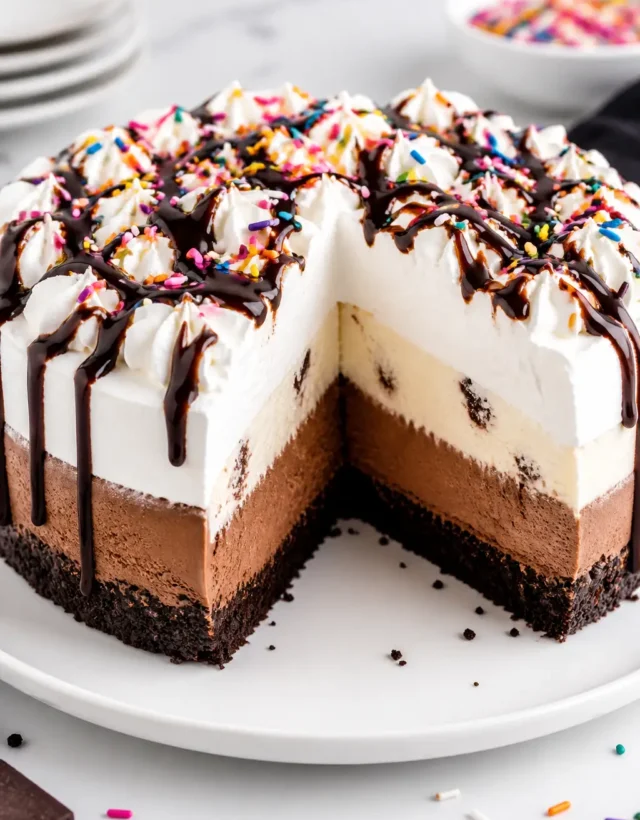
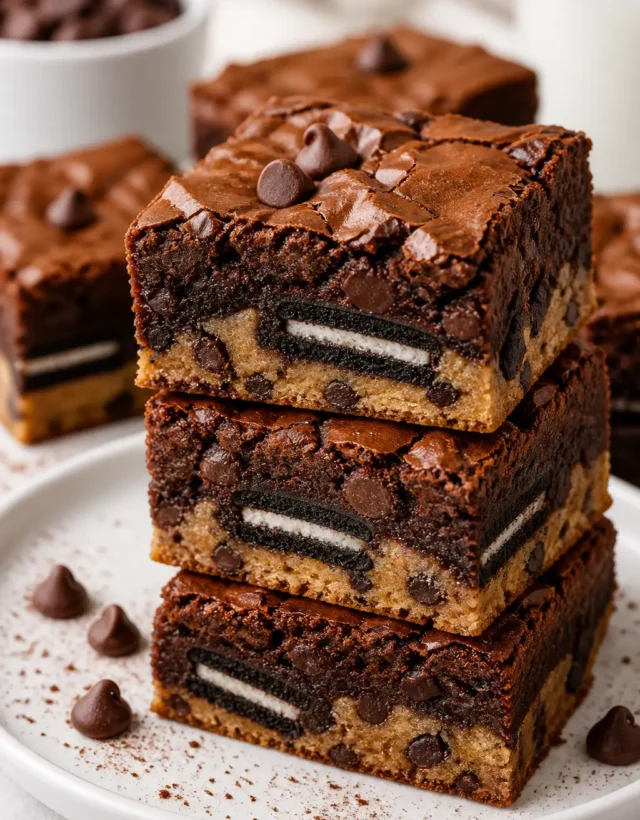
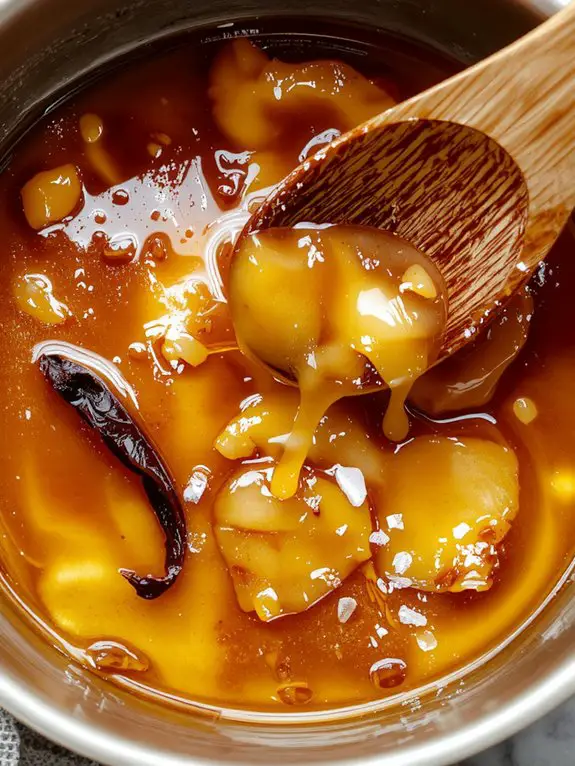
The secret? Taking your time to let the sugar caramelize into a deep amber hue, creating a rich, buttery flavor with just the right balance of sweetness. Imagine this: silky-smooth caramel that drapes over ice cream, drizzles onto brownies, or gets spooned straight from the jar (no judgment).
It’s easier than you think, and once you’ve tasted it, you’ll wonder why you ever settled for anything less. Trust me, this caramel is a game-changer.
Ingredients
Making homemade caramel is all about precision, but the ingredient list is surprisingly simple. With just a few key items, you can create a velvety, luscious caramel that’s far superior to store-bought versions. Here’s what you’ll need to get started:
- Granulated sugar – The foundation of any caramel. Its pure sweetness and ability to melt and caramelize evenly are non-negotiable.
- Unsalted butter – Adds richness and a silky texture. Use high-quality butter for the best flavor. If you only have salted butter, reduce added salt accordingly.
- Heavy cream – This is what transforms the mixture into a creamy caramel sauce. Don’t skimp here—low-fat alternatives won’t yield the same luxurious result.
- Salt – A pinch of salt balances the sweetness and enhances the caramel’s depth. Use fine sea salt for even distribution.
- Vanilla extract (optional) – A splash adds a warm, aromatic note. Use pure vanilla extract for the best flavor.
Pro Tips:
- Use a light-colored saucepan to monitor the sugar’s color change easily.
- Avoid whisking the sugar as it melts—it can crystallize. Instead, gently swirl the pan to guarantee even heating.
- If you prefer salted caramel, increase the salt to ½ teaspoon or more, depending on your taste.
Little Wins:
- A candy thermometer can help you nail the perfect caramel stage, but you can also rely on visual cues (a deep amber color).
- For a fun twist, add a splash of bourbon or bourbon extract along with the vanilla for a grown-up caramel flavor.
How to Make the Best Classic Salted Caramel Method
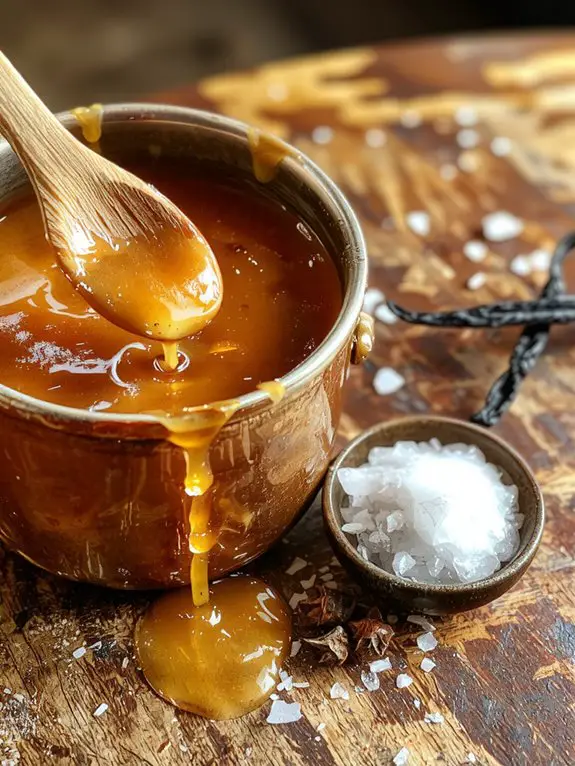
– Cook until smooth and thickened. Continue cooking and stirring for about 1-2 minutes until the caramel is smooth and slightly thickened.
Overcooking can make it too hard once cooled, so keep an eye on it.
– Add sea salt and let it cool. Remove the pan from heat and stir in a pinch of sea salt. This balances the sweetness and enhances the flavor.
Let the caramel cool slightly before using or transferring to a jar.
– Store or use immediately. If storing, pour the caramel into a clean jar and let it cool completely before sealing.
It can be refrigerated for up to two weeks; gently reheat before use.
Pro Tip: For a richer flavor, use high-fat cream and unsalted butter. Always use a heavy-bottomed pan to prevent hot spots and burning.
Watch-Out Warning: Avoid stirring the sugar while it’s melting, as this can cause crystallization, leading to a grainy texture. Patience is key!
Nutrition
Caramel is a delicious treat made from sugar, butter, and cream.
Here’s the nutritional breakdown per serving:
Calories: 150
Total Fat: 8g
Saturated Fat: 5g
Cholesterol: 20mg
Sodium: 50mg
Total Carbohydrates: 20g
Sugars: 20g
Protein: 0.5g
Chef Tips
To guarantee your caramel turns out perfectly, I always recommend using a heavy-bottomed saucepan to prevent burning. Keep a close eye on the sugar—it can burn quickly once it starts to change color.
Stir gently and consistently to avoid crystallization. Use a candy thermometer for precision.
Don’t rush the process; low and steady heat is key. Finally, have all your ingredients measured and ready before starting.
Frequently Asked Questions
Can I Use a Sugar Substitute for Caramel?
I’ve tried sugar substitutes for caramel, but it’s tricky. Erythritol or stevia can work, but they don’t caramelize like sugar. You’ll need a recipe designed for substitutes to get the right texture and flavor.
How Do I Fix Crystallized Caramel?
If my caramel crystallizes, I add a bit of water, heat it gently, and stir until the crystals dissolve. Sometimes, I strain it to remove stubborn bits. Keeping the heat low and avoiding stirring helps prevent it.
What Is the Shelf Life of Homemade Caramel?
I’ll keep my homemade caramel fresh for about two to three weeks if stored in an airtight container in the fridge. If I freeze it, it’ll last up to three months. I always check for spoilage.
Can I Make Caramel in a Microwave?
I can make caramel in a microwave, but it’s tricky. I’d use a microwave-safe bowl, heat the sugar in short intervals, and stir often to avoid burning. It’s quicker, but I’d prefer the stovetop for control.
Why Does My Caramel Turn Out Chewy?
Your caramel turns chewy because you might’ve undercooked it or added too much cream or butter. I’ve found that cooking it longer to reach the right temperature and measuring ingredients precisely helps avoid chewiness.