The Best Homemade Cheesecake Recipe
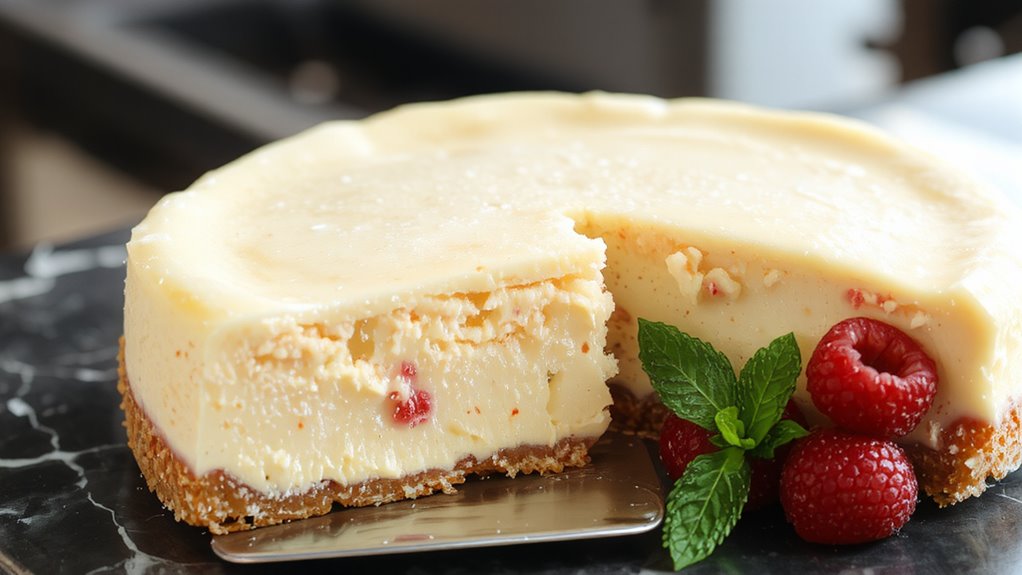
Recipe
There’s nothing quite like the first bite of a perfectly made cheesecake—creamy, rich, and just sweet enough to make you close your eyes and savor it.
This homemade cheesecake recipe? It’s the real deal. No fancy techniques or hard-to-find ingredients, just a foolproof method that delivers a velvety smooth filling and a buttery graham cracker crust every single time.
The secret? A touch of sour cream for that extra tang and a slow bake to prevent cracks (because we eat with our eyes first, right?).
Whether you’re a cheesecake newbie or a seasoned baker, this recipe will make you feel like a dessert pro. Get ready for a slice so good, you’ll forget the bakery exists.
Ingredients
The secret to a perfect cheesecake lies in the quality of your ingredients—each one plays a vital role in achieving that creamy, dreamy texture and rich flavor. Don’t cut corners on the essentials, but feel free to swap where it makes sense.
For the Crust:
- Graham crackers (1 ½ cups, crushed) – The classic base, but digestive biscuits work too.
- Unsalted butter (⅓ cup, melted) – Salted butter can work, but adjust added salt in the filling.
- Granulated sugar (2 tbsp) – Just enough to sweeten the crust without overpowering.
For the Filling:
- Cream cheese (24 oz, full-fat, room temperature) – *Non-negotiable.* Low-fat versions will ruin the texture.
- Granulated sugar (1 cup) – Fine-grain dissolves better for a silky filling.
- Sour cream (1 cup) – Adds tang and creaminess. Greek yogurt is a decent substitute in a pinch.
- Eggs (3 large, room temperature) – Cold eggs can cause lumps—patience pays off.
- Vanilla extract (1 tsp) – Pure vanilla, not imitation, for depth of flavor.
- Lemon zest (1 tsp, optional but recommended) – Brightens the richness.
Pro Tip: Let all refrigerated ingredients sit out for at least an hour—room temp blends smoother and prevents cracks.
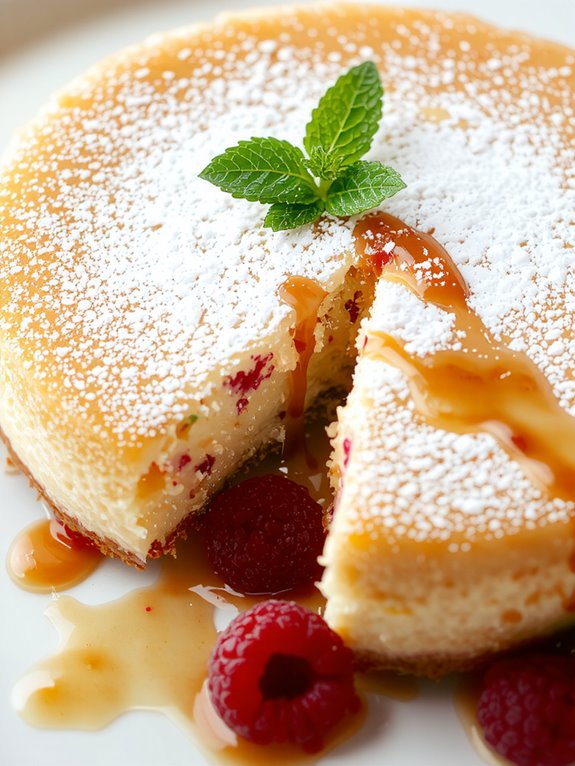
Garnish with fresh berries or a drizzle of salted caramel for a showstopper finish.
How to Make the Best Creamy New York Cheesecake
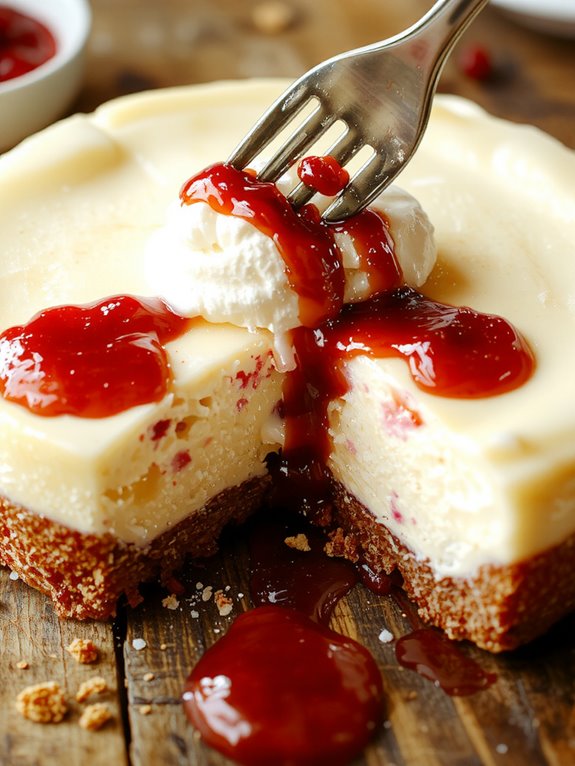
Beat in the eggs one at a time, mixing just until combined after each addition. Overbeating the eggs can incorporate too much air, leading to cracks during baking. The mixture should be smooth and silky.
Pour the filling over the cooled crust and smooth the top with a spatula. Tap the pan gently on the counter to remove any air bubbles, which can create holes in the finished cheesecake.
Place the springform pan in a larger baking dish and fill the dish with hot water until it reaches halfway up the sides of the pan. This water bath prevents the cheesecake from drying out and cracking during baking.
Bake for 55-60 minutes, or until the edges are set but the center still jiggles slightly when gently shaken. The center will firm up as it cools. Overbaking can cause the cheesecake to crack and become dry.
Turn off the oven, crack the door open, and let the cheesecake cool in the oven for 1 hour. This gradual cooling process helps prevent cracks caused by sudden temperature changes.
Remove the cheesecake from the oven and let it cool completely at room temperature. Once cooled, cover it with plastic wrap and refrigerate for at least 4 hours, preferably overnight, to fully set. Patience here is key for the perfect texture.
When ready to serve, run a knife around the edges of the pan to loosen the cheesecake, then release the springform ring. Slice with a sharp, clean knife dipped in hot water for clean, smooth slices. Enjoy your creamy, dreamy New York cheesecake!
Nutrition
Cheesecake is a delicious dessert that can be enjoyed in moderation. Here’s the nutritional breakdown per slice:
| Nutrient | Amount per Serving |
|---|---|
| Calories | 350 kcal |
| Total Fat | 22 g |
| Saturated Fat | 12 g |
| Cholesterol | 120 mg |
| Sodium | 250 mg |
| Total Carbs | 30 g |
| Sugars | 25 g |
| Protein | 6 g |
Chef Tips
Making a great cheesecake isn’t just about ingredients—it’s about technique. Use sharp knife skills to slice cleanly by dipping your blade in hot water first.
For plating techniques, garnish with fresh berries or a drizzle of caramel for visual appeal.
Let the cheesecake cool completely before serving to avoid cracks. These small details elevate your dessert from good to unforgettable.
Frequently Asked Questions
Can I Freeze Cheesecake?
Yes, I can freeze cheesecake! I’d wrap it tightly in plastic, then foil to avoid freezer burn. For storage options, I’d use an airtight container. My freezing tips include thawing it overnight in the fridge before serving.
How Long Does Cheesecake Last in the Fridge?
I’ve found cheesecake lasts 5-7 days in the fridge if stored properly. Its shelf life depends on freshness and airtight storage duration. I always cover it tightly with plastic wrap to keep it moist.
Can I Use Low-Fat Cream Cheese?
I can use low-fat cream cheese, but it’ll change the texture—less rich and creamy. It’s great for fat reduction and calorie control, but I’ll miss some of that classic cheesecake indulgence. Trade-offs, right?
Why Did My Cheesecake Crack?
Your cheesecake likely cracked due to overbaking causes or uneven cooling. I’d recommend checking the oven temp, pulling it out when the center jiggles slightly, and cooling it gradually to prevent stress on the surface. It’ll help next time.
Can I Make Cheesecake Without a Springform Pan?
I can make cheesecake without a springform pan by using alternative pans like a cake pan or pie dish. Just line it with parchment for easy removal and adjust baking techniques to guarantee even cooking and texture.