The Best Homemade Chow Mein Recipe
Recipe
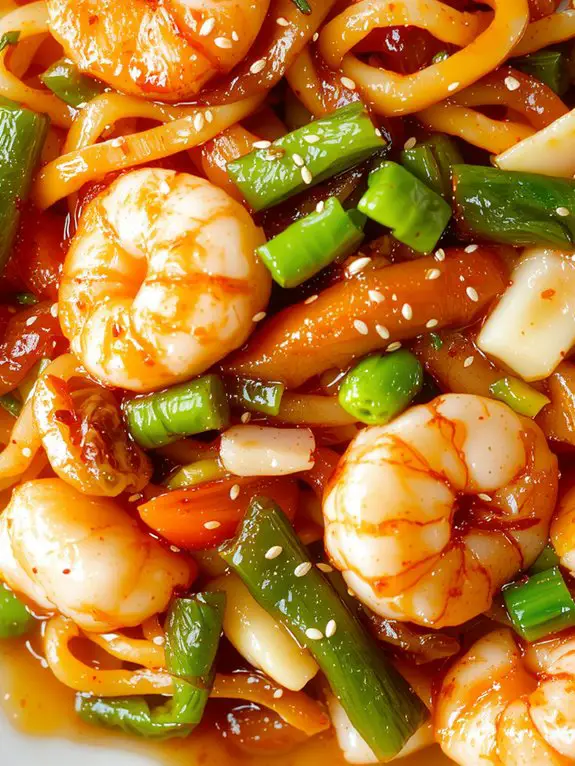
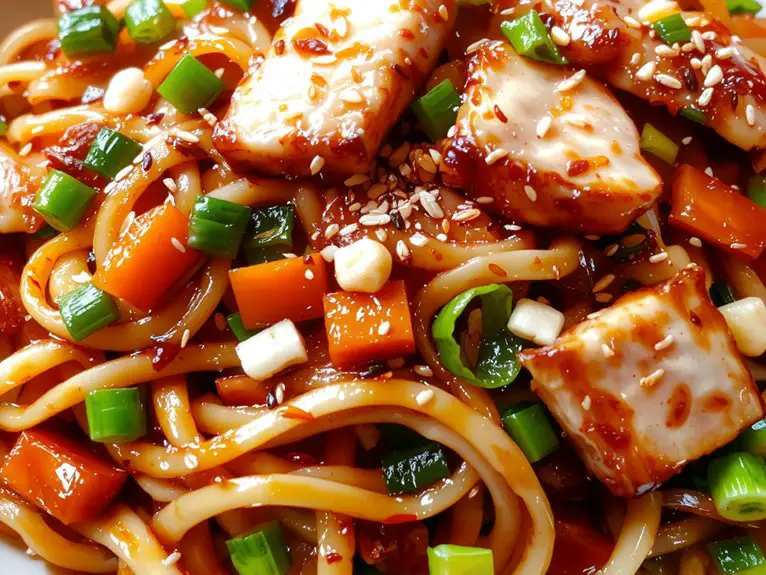
If you’re craving restaurant-quality chow mein but want to skip the takeout, this recipe is your golden ticket. I’ve tweaked this dish more times than I can count, and let me tell you—it’s *better* than anything you’ll get delivered. The secret? A killer sauce with just the right balance of savory, sweet, and umami, plus crispy-tender noodles that soak up every drop of flavor.
My family practically riots if I don’t make this weekly, and once you try it, you’ll see why. Imagine tender veggies, chewy noodles, and that irresistible caramelized wok char—all ready in under 30 minutes.
Trust me, this is the chow mein recipe you’ll keep coming back to.
Ingredients
The essential ingredients for homemade chow mein include fresh chow mein noodles, soy sauce, oyster sauce, sesame oil, garlic, ginger, and vegetables like bell peppers, carrots, and bok choy. Oil adds depth and moisture, while fresh ingredients enhance flavor.
Substitutions like tamari for soy sauce or olive oil for sesame oil can work in a pinch. Fresh garlic and ginger are non-negotiable for their punchy flavor.
Organize ingredients by type for clarity. Extra vegetables can elevate the dish’s presentation.
How to Make the Best Authentic Chow Mein Recipe
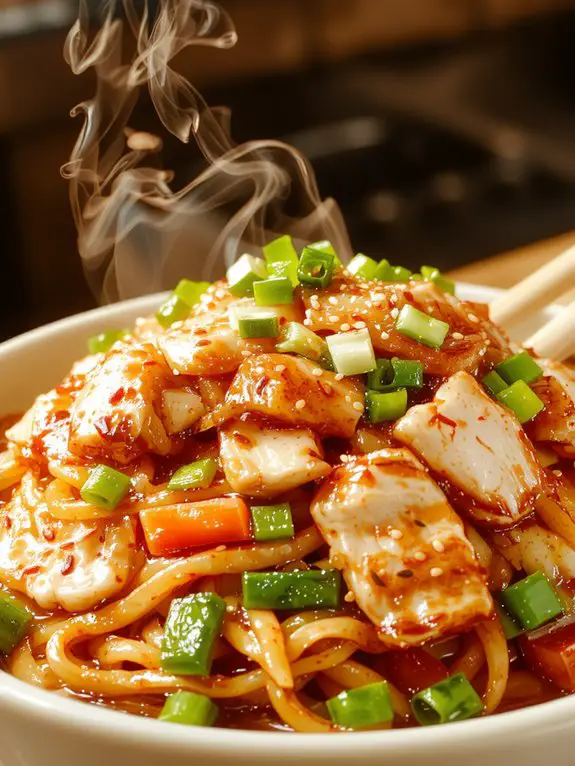
– Combine everything fast – Return noodles and protein to the wok, tossing with veggies and sauce over high heat for 1-2 minutes.
Constant stirring prevents sticking and guarantees even coating.
– Finish with a crunch – Top with crispy fried noodles or toasted sesame seeds for texture.
Let it sit for 1 minute off heat before serving—this helps flavors meld without overcooking.
Pro Tip: Use day-old noodles for better texture—they’re less sticky and hold up to stir-frying.
Watch Out: Overcrowding the wok steams instead of fries. Cook in batches if needed.
Flexibility: No wok? A large skillet works—just crank the heat and keep ingredients moving.
Nutrition
| Calories | Protein | Fat | Carbs | Fiber | Sugar | Sodium |
|---|---|---|---|---|---|---|
| 420 | 18g | 12g | 58g | 6g | 8g | 850mg |
Chef Tips
When making chow mein at home, I always make sure my wok is piping hot before adding any ingredients. This guarantees a perfect sear and prevents sogginess. I prep everything beforehand—veggies sliced, sauce mixed—so cooking is quick and smooth.
Don’t overcrowd the wok; cook in batches if needed. Use high smoke-point oil like peanut or avocado. Toss constantly for even cooking. Fresh noodles work best, but dried ones soaked properly are fine too.
Frequently Asked Questions
Can I Use Spaghetti Instead of Chow Mein Noodles?
I’d say you can use spaghetti if you don’t have chow mein noodles—just cook it al dente. It won’t be exactly the same, but it’ll still taste good with the sauce and veggies.
How Do I Store Leftover Chow Mein?
I store leftover chow mein in an airtight container and refrigerate it for up to 3 days. If I need it to last longer, I freeze it for up to 2 months, reheating it thoroughly before eating.
Can I Make This Recipe Gluten-Free?
Yes, I can make this recipe gluten-free by swapping soy sauce for tamari or coconut aminos and using rice noodles or gluten-free lo mein noodles. I’ll check that all other ingredients are gluten-free too.
What Protein Substitutes Work Best for Vegetarians?
I’d recommend using tofu, tempeh, or seitan as protein substitutes for a vegetarian chow mein. Tofu absorbs flavors well, tempeh adds a nutty texture, and seitan mimics meat-like chewiness—just marinate or season them to boost the dish’s taste.
How Can I Make the Dish Spicier?
I’d add chili oil or sriracha to the sauce for heat. You could also toss in fresh chopped chilies or red pepper flakes while cooking. Adjust the amount to your taste—I’d start small and build up.


